 +31708910864
 sales@camcom.co.nl

 Management's Insight

Technical Info
Fiber Optic Cables
The Invisible Backbone of Modern Connectivity: How Fiber Optic Cables Power Our Digital World
In today’s fast-moving digital world, seamless connectivity is no longer a luxury — it’s a necessity. From streaming high-definition content to running complex industrial systems, the quiet force behind it all is fiber optic technology. At Camcom – Signalling Innovation, we take pride in delivering advanced fiber optic solutions that form the backbone of modern communication.
How Do Fiber Optic Cables Work?
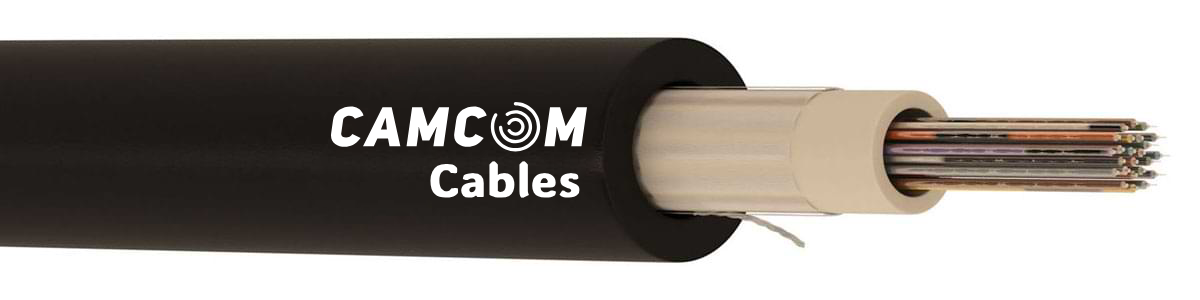
Fiber optic cables are true engineering wonders. Built from ultra-thin strands of glass or plastic — each thinner than a human hair — they transmit data as pulses of light. This allows information to travel at incredible speeds with exceptional accuracy and reliability. Think of fiber optics as high-speed data highways, keeping communication fast, stable, and uninterrupted across networks.
Why Choose Fiber Optic Cables Over Traditional Cables?
Compared to conventional copper cables, fiber optics offer powerful advantages:
-
Ultra-Fast Speeds: High-bandwidth data transmission with minimal latency
-
Superior Reliability: Immune to electromagnetic interference for stable performance
-
Energy Efficient: Lower power consumption reduces operational costs
-
Future-Ready: Perfect for 5G, cloud computing, and IoT applications
Everyday Applications of Fiber Optics
Fiber optic technology plays a vital role across industries, including:
-
Telecommunications: Forming the core infrastructure of global internet networks
-
Healthcare: Enabling telemedicine, imaging systems, and remote surgical tools
-
Entertainment: Supporting streaming platforms, gaming, and virtual reality
-
Smart Cities: Powering intelligent traffic systems, smart grids, and connected infrastructure
At Camcom – Signalling Innovation, we design and manufacture high-performance fiber optic cables engineered to meet the evolving demands of these critical sectors.
The Future of Connectivity
As digital transformation accelerates, fiber optic infrastructure will remain essential. Technologies such as 5G, smart cities, artificial intelligence, and next-generation computing all depend on strong, scalable networks. At Camcom, we remain committed to innovation — developing reliable solutions that connect today and empower tomorrow.
Partner with Camcom – Signalling Innovation
As a trusted fiber optic cable manufacturer, Camcom – Signalling Innovation combines advanced technology with deep industry expertise. Whether you’re building telecom networks, data centers, or smart infrastructure, we’re ready to support your vision with dependable, future-proof connectivity solutions.
OTDR Testing on Fiber Optic Cables
Understanding OTDR Testing for Fiber Optic Cables
At Camcom – Signalling Innovation, we focus on delivering high-quality fiber optic cables that offer reliable performance for modern telecommunications and data networks. One of the most important steps in verifying cable quality is OTDR (Optical Time-Domain Reflectometer) testing—a key method used to ensure every fiber link meets international performance standards.
What Is OTDR Testing?
OTDR testing works by sending short pulses of light through a fiber optic cable and analyzing the light that reflects back. This allows technicians to detect issues such as fiber breaks, splice losses, sharp bends, connector problems, and reflective faults.
The test generates a detailed graphical trace that shows exactly where events occur along the fiber length. By measuring parameters like attenuation, event loss, reflectance, and distance, OTDR testing helps confirm that the cable is performing as expected and that any problems can be located quickly and accurately.
Why OTDR Testing Matters
OTDR testing plays a vital role during installation, routine maintenance, and fault troubleshooting. It ensures the long-term reliability of fiber networks and prevents small issues from turning into major failures.
For single-mode fibers (SMF), common test wavelengths include 1310 nm, 1550 nm, and 1625 nm (or 1650 nm).
-
1310 nm is ideal for short to medium distances with low attenuation.
-
1550 nm is preferred for long-haul links due to its lower signal loss.
-
1625 / 1650 nm wavelengths are mainly used for maintenance, helping detect micro-bends and faults without disturbing live traffic.
For multi-mode fibers (MMF), testing is typically done at:
-
850 nm for short-distance networks such as LAN systems.
-
1300 nm for longer multi-mode links.
Best Practices for Accurate OTDR Testing
To get the most reliable results from OTDR testing, follow these proven guidelines:
-
Choose the correct wavelength based on fiber type and application.
-
Always clean connectors before testing, as dirt can distort measurements.
-
Use launch and receive cables to eliminate dead zones near connectors and fiber ends.
-
Adjust test settings carefully, including pulse width and averaging time, to improve accuracy and resolution.
Choose Camcom – Signalling Innovation for Trusted Fiber Solutions
At Camcom – Signalling Innovation, quality is built into every stage of our fiber optic cable production. Our products undergo strict inspection and advanced OTDR testing to ensure they deliver consistent performance, long-term reliability, and full compliance with global standards.
When you choose Camcom, you’re investing in fiber solutions designed to support high-speed, stable, and future-ready communication networks.
Aerial fiber optic
Aerial Fiber Optic Cables: Choosing Between ADSS and Messenger-Wired Solutions
Aerial fiber optic cables play a key role in modern telecommunication and data networks. Installed above ground and usually mounted on utility poles or similar structures, they offer a practical and economical option when underground cabling is not possible.
In this guide, Camcom – Signalling Innovation walks you through the main differences between ADSS (All-Dielectric Self-Supporting) cables and messenger-wired fiber optic cables, helping you select the right solution for your project.
What Are Aerial Fiber Optic Cables?
Aerial fiber optic cables are specially designed to withstand tough outdoor conditions such as strong winds, heavy rain, ice formation, and constant UV exposure. They are widely used across urban, suburban, and rural areas to deliver stable, high-speed data transmission. Thanks to their rugged construction, these cables provide long service life and dependable performance even in demanding environments.
ADSS Fiber Optic Cables
ADSS cables are fully self-supporting aerial cables that do not rely on any metallic components for mechanical strength.
Key Features of ADSS Cables
-
Self-supporting design: No separate messenger wire is needed, which simplifies installation.
-
Non-conductive construction: Perfect for routes near power lines, as it eliminates the risk of electrical interference.
-
Lightweight structure: Easier handling and faster installation, helping reduce overall labor costs.
-
High resistance: Designed to handle corrosion, electrical stress, and harsh weather conditions.
-
Long span capability: Suitable for medium to long pole spans, often reaching up to 1 km or more.
Best Applications
-
High-voltage transmission corridors
-
Remote or rural areas with limited infrastructure
-
Installations where electrical insulation and safety are essential
Messenger-Wired Fiber Optic Cables
Messenger-wired cables—also known as Figure-8 or lashed aerial cables—use a built-in steel or metallic messenger wire to provide extra mechanical support.
Key Features of Messenger-Wired Cables
-
Integrated metallic messenger: Adds strength and stability for demanding installations.
-
Economical option: Lower cable cost, though installation may require additional hardware and labor.
-
Heavy-duty performance: Well suited for high-tension routes and longer spans.
-
Flexible installation: Easily mounted on existing utility poles with proper tensioning and grounding.
Best Applications
-
Urban and suburban networks with established pole infrastructure
-
Long-span installations that need reinforced mechanical support
-
Locations where grounding and metallic components are acceptable
Choose the Right Aerial Solution with Camcom – Signalling Innovation
At Camcom – Signalling Innovation, we offer a complete range of aerial fiber optic cables designed for strength, safety, and long-term reliability. Whether your network requires the electrical insulation of ADSS cables or the mechanical strength of messenger-wired designs, our solutions are engineered to deliver consistent performance in every environment.
With Camcom, you get future-ready aerial fiber solutions built to keep your communication networks strong, stable, and efficient.
FRP Aerial Fiber Optic Cables
FRP Aerial Fiber Optic Cables by Camcom – Signalling Innovation
FRP Aerial Fiber Optic Cables from Camcom – Signalling Innovation are advanced optical cables engineered specifically for outdoor aerial installations. By using Fiber Reinforced Plastic (FRP) as the main strength element, these cables combine high mechanical strength with a lightweight, non-metallic design—making them ideal for long-term operation in demanding environments.
Key Features of Camcom FRP Aerial Fiber Optic Cables
High Strength with FRP Reinforcement
-
Built with FRP rods that deliver excellent tensile strength and long-term durability.
-
Fully non-metallic and corrosion-resistant, perfect for harsh outdoor conditions.
Weather-Resistant Construction
-
Designed to withstand UV radiation, temperature changes, strong winds, and ice loading.
-
Maintains stable performance in all climate conditions.
Lightweight and Flexible Design
-
Easy to transport, handle, and install thanks to its low weight.
-
Flexible structure allows smooth installation across different aerial routes.
Protection from Electromagnetic Interference (EMI)
-
All-dielectric construction prevents interference from nearby power lines and electrical equipment.
-
Ensures clean, stable signal transmission even in high-voltage zones.
Applications
-
Telecommunication Networks: Backbone and distribution links in both urban and rural deployments.
-
FTTH (Fiber to the Home): Aerial drops and access networks delivering high-speed broadband to end users.
-
Power Line Corridors: Ideal for installations near high-voltage lines due to non-conductive properties.
Advantages of Using FRP Aerial Fiber Optic Cables
-
Long service life: Resistant to corrosion and environmental stress for dependable long-term operation.
-
Cost-efficient installation: Faster and more economical to deploy than underground cabling.
-
Reduced mechanical load: Lightweight design minimizes stress on poles and support structures.
-
High durability: Withstands wind, ice, vibration, and other aerial hazards with ease.
Why Choose Camcom – Signalling Innovation FRP Aerial Cables?
FRP aerial fiber optic cables from Camcom – Signalling Innovation offer the perfect combination of strength, safety, and performance for outdoor communication networks. Their lightweight, corrosion-free design and excellent resistance to environmental stress make them a trusted choice for telecom operators, utilities, and internet service providers building reliable aerial fiber systems.
By choosing Camcom FRP aerial solutions, you invest in high-speed, stable connectivity that’s built to perform consistently—today and well into the future.
FTTH Cables
FTTH Cables by Camcom – Signalling Innovation: Powering the Future of Connectivity
FTTH (Fiber to the Home) cables from Camcom – Signalling Innovation represent the next generation of broadband technology, delivering ultra-fast and highly reliable internet services directly to homes and businesses. Unlike traditional copper networks, FTTH uses advanced fiber optic technology to provide superior speed, stability, and long-term performance—making it the foundation of today’s digital lifestyle.
What Are FTTH Cables?
FTTH cables are fiber optic links that run straight from a service provider’s central network to the customer’s premises. This direct connection allows them to handle very high data volumes while maintaining consistent speed and signal quality, even over long distances.
Key Features of Camcom FTTH Cables
Advanced Fiber Optic Transmission
-
Data is carried as pulses of light, which greatly reduces signal loss and supports extremely high speeds across long routes.
Strong and Protective Construction
-
Built with multiple protective layers to guard against weather exposure, rodents, and mechanical stress, ensuring long service life in both indoor and outdoor installations.
True Direct-to-User Connectivity
-
Each connection runs directly from the network hub to the end user, avoiding the signal drops and congestion often seen in legacy copper systems.
Benefits of FTTH Connectivity
-
Ultra-fast internet speeds for smooth 4K/8K streaming, cloud services, and online gaming
-
Scalable bandwidth that easily grows with future data demands
-
Low latency performance, ideal for video conferencing, VoIP, and smart home applications
-
High reliability, immune to electromagnetic interference and most environmental disturbances
-
Energy-efficient operation, consuming less power than traditional copper-based networks
Applications
FTTH cables are the backbone of many modern digital services, including:
-
High-speed broadband internet
-
IPTV (Internet Protocol Television)
-
VoIP and unified communications
-
Smart homes and IoT-enabled systems
Why FTTH Is the Future of Digital Networks
FTTH technology is at the heart of smart cities and next-generation communication networks, helping close the digital gap between urban and rural communities. With unmatched speed, stability, and scalability, FTTH is redefining how people connect, work, learn, and communicate.
By choosing Camcom – Signalling Innovation FTTH solutions, you invest in a network that is not only fast today, but also fully prepared for the digital demands of tomorrow.
Instrumentation Cables
Instrumentation Cables: The Nerve System of Modern Industrial Control
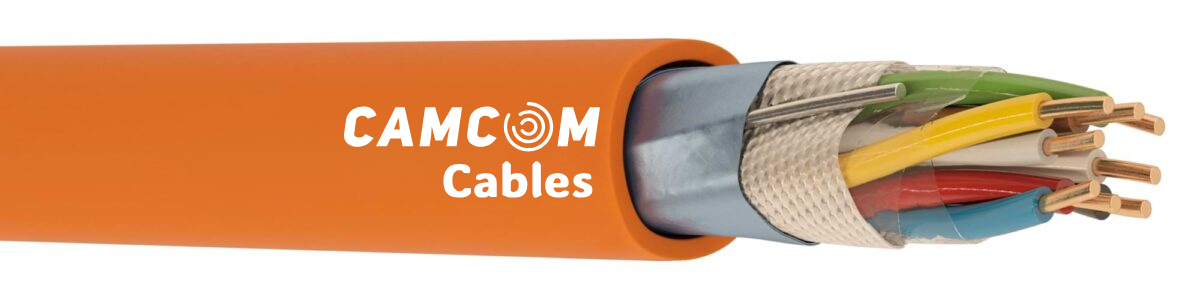
In today’s automated industrial environments, accurate and reliable signal transmission is essential for safe and efficient operations. Instrumentation cables play a critical role in carrying low-voltage signals used for monitoring, control, and communication across complex systems. At Camcom – Signalling Innovation, we design and manufacture high-performance instrumentation cables that support precision, safety, and long-term reliability in demanding industrial applications.
Purpose and Function
Instrumentation cables are specially engineered to handle sensitive signals with maximum accuracy:
-
Signal Transmission: They transfer analog and digital signals from field instruments to control panels, PLCs, and data acquisition systems.
-
Noise Protection: With shielding and screening designs, these cables reduce interference from surrounding electrical equipment, keeping signals clean and stable.
-
Safety and Durability: Built for harsh and hazardous environments, they are designed to resist heat, chemicals, moisture, and mechanical stress while reducing the risk of sparks or fire.
Where Instrumentation Cables Are Used
These cables are widely used across critical industrial sectors:
-
Process Control Systems: Monitoring and regulating parameters such as temperature, pressure, flow rate, and level.
-
Automation and Data Networks: Carrying low-level signals in automated production lines and control systems.
-
Industrial Facilities: Essential components in DCS (Distributed Control Systems) and SCADA (Supervisory Control and Data Acquisition) networks.
-
Hazardous Locations: Special flame-retardant and explosion-resistant designs are used in oil & gas plants, refineries, offshore platforms, and chemical processing units.
Choosing the Right Instrumentation Cable
Selecting the correct instrumentation cable is key to maintaining system accuracy and safety. Factors such as operating environment, temperature range, chemical exposure, shielding requirements, and international standards must all be carefully considered.
At Camcom – Signalling Innovation, our instrumentation cable portfolio includes proven designs such as RE-2X(St)Yv, RE-2X(St)YSWAY, and RE-2XCH, engineered to meet international performance and safety standards.
With advanced manufacturing, strict quality control, and industry expertise, Camcom delivers instrumentation cable solutions you can rely on for precise control, dependable communication, and safe industrial operations.
Steel wire armoring (SWA) and steel wire braiding (SWB)
Steel Wire Armoring (SWA) vs. Steel Wire Braiding (SWB): Enhancing Cable Durability and Performance
In industrial and electronic applications, protecting cables from mechanical stress, environmental hazards, and interference is critical. Camcom – Signalling Innovation offers specialized cables using Steel Wire Armoring (SWA) and Steel Wire Braiding (SWB) techniques, each designed to meet different performance and durability needs. Here’s a closer look at both methods and their benefits.
Steel Wire Armoring (SWA)
Steel wire armoring involves encasing a cable with layers of steel wires to provide maximum protection. This technique is ideal for heavy-duty applications and fixed installations.
Key Benefits of SWA:
-
Excellent resistance to mechanical stress, impact, and abrasion.
-
Protects against crushing forces and accidental damage during installation or operation.
-
Extends cable lifespan, particularly in harsh environments like underground installations or industrial sites.
-
Deters rodents and pests from damaging the cable.
-
Adds tensile strength, making it suitable for vertical installations or areas where cables are pulled under load.
-
Resistant to harsh environmental conditions, including moisture, chemicals, and extreme temperatures.
-
Prevents accidental damage that could cause electrical faults, ensuring safe operation in industrial and power systems.
-
Provides limited protection against electromagnetic interference (EMI), though this is secondary to mechanical protection.
Ideal Applications: Underground installations, heavy industrial environments, power transmission, and areas requiring maximum mechanical protection.
Steel Wire Braiding (SWB)
Steel wire braiding wraps the cable in braided steel wires, providing a balance between protection and flexibility. This approach is often used in applications where cables are exposed to movement or require EMI shielding.
Key Benefits of SWB:
-
Maintains cable flexibility while offering mechanical protection.
-
Protects the outer sheath from abrasion and wear, especially in dynamic environments.
-
Offers superior electromagnetic interference (EMI) shielding, reducing signal degradation in sensitive applications.
-
Provides good resistance to tension and mechanical stress, though less than SWA.
-
Creates a compact, lightweight protective layer, making it suitable where size and appearance matter.
-
Can improve fire resistance by shielding inner layers of the cable.
-
Perfect for applications with repetitive motion, such as robotics, instrumentation, or mobile equipment.
Ideal Applications: Robotics, instrumentation systems, mobile or moving equipment, and areas requiring EMI shielding with moderate mechanical protection.
Choosing Between SWA and SWB
-
SWA: Best for fixed, high-stress environments where maximum protection is essential.
-
SWB: Preferred where flexibility, EMI shielding, and moderate mechanical protection are needed.
At Camcom – Signalling Innovation, we provide both SWA and SWB cable solutions, engineered for reliability, safety, and performance across a wide range of industrial and technical applications.
Data/LAN Cables
Cat 6A and Cat 7 Ethernet cables are built for high-speed networking, both capable of delivering up to 10 Gbps over distances of 100 meters. While they offer similar speeds, the main differences lie in their shielding, operating frequencies, and ideal applications.
Cat 6A cables operate at frequencies up to 500 MHz and are available in both shielded and unshielded designs. They strike a perfect balance between performance and cost, which is why they are widely used in homes, offices, and modern data centers.
Cat 7 and Cat 7A cables take performance a step further. With operating frequencies reaching 600 MHz and even 1200 MHz, and fully shielded constructions such as S/FTP or F/FTP, they provide superior protection against electromagnetic interference. This makes them especially suitable for industrial environments and high-interference applications where signal stability is critical.
At Camcom – Signalling Innovation, we offer a range of advanced LAN cable solutions designed to deliver reliable performance, long-term durability, and enhanced safety across a wide variety of networking environments.
Fluke Test
Fluke Testing: Ensuring the Performance of Ethernet Cables
To guarantee reliable, high-speed networking, Ethernet cables must meet strict performance standards. At Camcom – Signalling Innovation, we use comprehensive testing methods, including Fluke testing, to certify that our cables perform to the highest industry standards, such as ANSI/TIA and ISO/IEC.
Fluke testing is performed using a Fluke Networks Cable Analyzer, a specialized tool that evaluates multiple aspects of a cable’s performance to ensure it delivers dependable connectivity.
Key Tests in Fluke Certification
-
Wiremap Testing: Checks the wiring of each pair to detect open circuits, shorts, or miswiring issues.
-
Insertion Loss: Measures the signal loss along the length of the cable to ensure data integrity.
-
Crosstalk (NEXT/ANEXT): Detects interference between cable pairs and any signal bleed from neighboring cables.
-
Return Loss: Assesses signal reflections caused by impedance mismatches in the cable.
-
Propagation Delay & Skew: Evaluates how long signals take to travel and ensures timing consistency across pairs—critical for synchronized data transmission.
After testing, the results are compared against performance benchmarks. Only cables that meet or exceed these standards are certified as reliable.
Why Fluke Testing Matters
High-performance Ethernet cables like Cat 6A, Cat 7, and Cat 7A rely on precise manufacturing and testing to maintain speed, stability, and reliability. Fluke testing provides the confidence that each cable delivers optimal performance, reduces network errors, and supports robust, high-speed connectivity.
At Camcom – Signalling Innovation, we prioritize rigorous testing to ensure that our Ethernet solutions perform flawlessly in homes, offices, data centers, and industrial environments.
The importance of CAT 7 Cables in Modern Data Centers
Why Cat 7 Ethernet Cables Are Essential for Modern Data Centers
In today’s digital-first world, data centers form the backbone of business operations, powering everything from cloud services to real-time communication. The right cabling infrastructure plays a major role in keeping these systems fast, stable, and secure. That’s why Cat 7 Ethernet cables from Camcom – Signalling Innovation have become a smart choice for high-performance and future-ready data centers.
1. High-Speed Performance and Greater Bandwidth
Compared to older cable categories such as Cat 5e or Cat 6, Cat 7 delivers higher speeds and wider bandwidth, making it ideal for advanced technologies like 5G networks, artificial intelligence, and IoT applications. This ensures smooth, uninterrupted data flow even under heavy workloads.
2. Superior Protection Against Interference
One of the key strengths of Cat 7 cables is their advanced double-shielded design. Each twisted pair is individually shielded, and an additional overall shield protects the entire cable. This structure significantly reduces electromagnetic interference (EMI) and crosstalk, keeping connections stable even in high-density server environments.
3. Built for the Future
Data centers are constantly evolving, and upgrading infrastructure too often can be costly and disruptive. Cat 7 cables provide the performance headroom needed for future technologies, helping data centers stay scalable as cloud computing, big data, and high-speed networking continue to grow.
4. Long-Lasting and Cost-Efficient
Thanks to their robust construction, Cat 7 cables are highly durable and resistant to wear. This longer lifespan reduces the need for frequent replacements, lowering maintenance costs and ensuring reliable operation in mission-critical environments.
5. Power and Data Through One Cable
Cat 7 cables also support Power over Ethernet (PoE), allowing both power and data to run through a single cable. This makes it easier to connect devices such as IP cameras, VoIP phones, and wireless access points, simplifying installations and reducing overall cabling costs.
Key Benefits of Cat 7 Cables in Data Centers
-
Ultra-fast data speeds of up to 10 Gbps
-
Stable connections with minimal interference
-
Scalable design for future network expansion
-
Lower long-term costs thanks to high durability
-
PoE support for efficient power delivery
Why Choose Camcom – Signalling Innovation Cat 7 Cables?
If you’re planning to upgrade or build a high-performance data center, Camcom – Signalling Innovation Cat 7 Ethernet cables offer the perfect combination of speed, reliability, and future readiness. With strong shielding, long-term durability, and support for emerging technologies, they help create a stable, scalable, and high-efficiency network infrastructure you can rely on.
Signal Cables
Signal Cables: Ensuring Reliable Communication Across Devices
Signal cables are the lifelines of modern electrical and electronic systems, carrying data, audio, video, or control signals between devices. They ensure smooth communication and precise functionality by transmitting low-voltage signals with minimal interference or loss. At Camcom – Signalling Innovation, we design signal cables that prioritize performance, durability, and reliability for every application.
Key Features of Signal Cables
Types of Signals:
-
Analog Signals: Ideal for continuous data transmission, such as audio and video signals (e.g., RCA cables).
-
Digital Signals: Perfect for discrete data, including binary signals used in HDMI, USB, and other high-speed applications.
Shielding for Interference Protection:
-
High-quality signal cables incorporate shielding, either foil or braided, to reduce electromagnetic interference (EMI) and radio-frequency interference (RFI). This ensures clean, accurate signal transmission even in electrically noisy environments.
Conductor Materials:
-
Most signal cables use copper or copper alloys for optimal conductivity.
-
Premium variants may use oxygen-free copper or silver for enhanced performance and signal clarity.
Durable Insulation:
-
Insulation materials such as PVC, Teflon, or polyethylene protect the cable and maintain signal integrity, even under harsh conditions.
Applications of Signal Cables
Signal cables are essential across a variety of sectors:
-
Consumer Electronics: TVs, computers, smartphones, and audio systems.
-
Industrial Systems: Automation, process control, and instrumentation networks.
-
Telecommunications: Ensuring reliable data transmission in wired networks.
-
Medical Equipment: Delivering precise signals in diagnostic and laboratory devices.
Why Signal Cables Matter
Signal cables are more than just wires—they are the backbone of effective communication between devices. Choosing the right cable type, ensuring proper installation, and maintaining its quality is crucial for uninterrupted performance in both personal and professional applications.
At Camcom – Signalling Innovation, our signal cables are engineered to deliver high performance, long-term reliability, and interference-free connectivity for every system.
Understanding the importance of Braiding coverage in LIYCY Cables
What Are LIYCY Cables?
LIYCY cables are premium, flexible, shielded control cables designed for reliable signal transmission in automation, measurement, and communication systems. At Camcom – Signalling Innovation, our LIYCY cables feature a tinned copper braid shield that offers excellent protection against electromagnetic interference (EMI). This shielding ensures that signals remain clean and accurate, even in demanding environments such as industrial automation setups and sensitive medical devices.
Why Braiding Coverage Matters in LIYCY Cables
The braiding coverage refers to how densely the shield is woven around the cable. It is a critical factor that affects the cable’s performance, reliability, and overall value. Here’s why it’s important:
1. Superior EMI Protection
-
Higher braiding coverage provides stronger shielding against electromagnetic interference.
-
Prevents external noise from affecting the signal, making LIYCY cables ideal for industrial and sensitive electronic systems.
2. Consistent Signal Quality
-
Low-density shielding can let interference through, causing signal distortion or loss.
-
A well-braided cable ensures smooth, reliable signal transmission—essential for measurement, automation, and communication applications.
3. Long-Term Cost Efficiency
-
While cables with higher braiding coverage may be slightly more expensive upfront, they save costs over time by reducing maintenance needs, preventing downtime caused by EMI, and extending the cable’s lifespan.
How to Choose the Right LIYCY Cable
When selecting LIYCY cables, consider the following factors:
-
Application Requirements: Determine the level of EMI exposure, frequency of cable movement, and environmental conditions.
-
Braiding Coverage Percentage: Expressed as a percentage, higher coverage is better for high-EMI environments.
-
Material Quality: The type of shielding material, such as tinned copper, affects efficiency, durability, and corrosion resistance.
At Camcom – Signalling Innovation, our LIYCY cables are engineered for maximum performance, durability, and signal integrity, helping your systems operate smoothly and reliably, no matter how challenging the environment.
Fire Resistant Cables
Fire-Resistant Cables: Keeping Critical Systems Operational During Emergencies
In any building or facility, safety is non-negotiable. Fire-resistant cables are specially designed to maintain circuit integrity even during fire incidents, ensuring that critical systems—like emergency lighting, fire alarms, ventilation, and elevators—continue to function when they’re needed most. Unlike standard cables, fire-resistant cables deliver uninterrupted power and communication under extreme heat, making them indispensable in high-risk environments.
Key Features of Fire-Resistant Cables
-
Circuit Integrity: These cables can maintain functionality for 30, 60, 90, or 120 minutes under fire exposure, in compliance with international standards such as IEC 60331, BS 6387, and EN 50200.
-
Low Smoke, Zero Halogen (LSZH): Reduces toxic fumes and smoke, improving visibility and air quality during fire emergencies.
-
High Heat Resistance: Insulated with materials like mica tape and ceramic-forming compounds, fire-resistant cables can withstand temperatures above 750°C.
-
Durable and Reliable: Designed to resist flames, mechanical stress, and water exposure, ensuring long-lasting performance in critical applications.
Applications of Fire-Resistant Cables
Fire-resistant cables are essential wherever safety and operational reliability are top priorities:
-
Emergency Systems: Powering emergency lighting and fire alarms.
-
Public Buildings: Hospitals, schools, airports, metro stations, and other high-traffic areas.
-
Critical Equipment: Ensuring uninterrupted power to servers, data centers, and industrial machinery.
-
Building Automation & Control: Maintaining operational systems during emergencies.
-
Industrial Facilities: Factories, manufacturing plants, and high-risk environments where downtime is not an option.
Benefits of Fire-Resistant Cables
-
Enhanced Safety: Keeps critical systems operational, reducing fire-related risks.
-
Compliance: Meets rigorous international fire-safety standards.
-
Asset Protection: Protects infrastructure, minimizes downtime, and safeguards investments.
At Camcom – Signalling Innovation, we provide fire-resistant cables engineered for maximum reliability, safety, and performance. By investing in certified fire-resistant solutions, industries and facilities can ensure life safety, safeguard assets, and maintain operational continuity even in the most challenging conditions.
About JE-H(St)H Bd (FE180 / PH120)
JE-H(St)H Bd (FE180 / PH120) – Fire-Resistant, Halogen-Free Communication Cable
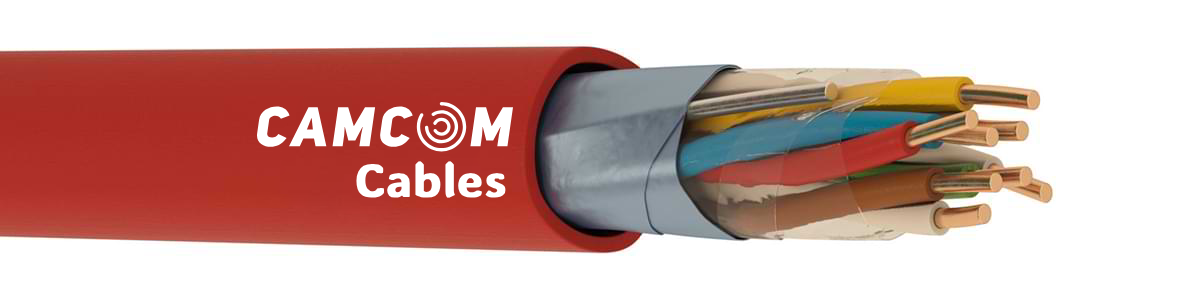
The JE-H(St)H Bd (FE180 / PH120) is a premium fire-resistant, halogen-free communication cable, engineered to maintain electrical circuit integrity even during fire incidents. At Camcom – Signalling Innovation, we design this cable for critical environments such as hospitals, airports, high-rise buildings, shopping centers, and public transport systems, where safety, reliability, and uninterrupted performance are non-negotiable.
Construction and Features
-
Solid Copper Conductors: Ensures efficient and stable signal transmission.
-
Fire-Resistant Insulation: Cross-linked materials form a protective ceramic layer under fire, safeguarding the conductors.
-
Twisted and Shielded Pairs: Aluminum-polyester tape shielding enhances signal integrity and minimizes electromagnetic interference.
-
Halogen-Free, Flame-Retardant Outer Sheath: Reduces toxic fumes and smoke during fire emergencies, protecting both people and property.
Performance and Standards
The JE-H(St)H Bd cable is built to deliver exceptional reliability under extreme conditions:
-
Fire Resistance: Up to 180 minutes of circuit integrity under fire exposure (FE180, IEC 60331-23).
-
Mechanical Pulse Resistance: Maintains circuit functionality for 120 minutes under mechanical stress (PH120, EN 50200).
-
Low Smoke & Corrosive Gas Emission: Complies with IEC 61034-2 and IEC 60754-2 standards, ensuring better visibility and minimal damage during a fire.
Ideal Applications
This cable is perfect for systems where safety and continuous operation are critical:
-
Signal transmission and data communication networks
-
Building management and control systems
-
Fire alarms and emergency communication systems
-
Industrial and commercial facilities requiring compliance with fire safety standards
With its combination of fire resistance, low smoke, and halogen-free performance, the JE-H(St)H Bd (FE180 / PH120) from Camcom – Signalling Innovation is the trusted choice for protecting human life, ensuring operational continuity, and safeguarding valuable assets in high-risk environments.
Control Cables
Control Cables – Reliable Connectivity for Industrial and Building Systems
Control cables are multi-core cables specially designed to transmit both control signals and power, making them essential in industrial automation, machinery, and building technology. At Camcom – Signalling Innovation, we focus on delivering control cables that ensure seamless communication and dependable performance across a variety of environments.
Key Features of Control Cables
-
Durable Construction: Stranded copper conductors, insulated cores, and a strong outer sheath provide long-lasting reliability. Available in shielded or unshielded options.
-
Flexibility: Suitable for fixed installations or dynamic setups where frequent movement is required.
-
Shielding Options: Shielded cables protect against electromagnetic interference (EMI), ideal for sensitive or noise-prone systems.
-
Temperature Resistance: Operates efficiently in environments ranging from -5°C to +70°C, depending on specifications.
-
Voltage Ratings: Commonly available in 300/500V or 450/750V, catering to a wide range of power requirements.
Applications of Control Cables
-
Industrial Automation: Connecting sensors, actuators, and control systems in manufacturing and production lines.
-
Machinery and Robotics: Ensures stable and accurate signal transmission even in moving or dynamic environments.
-
Plant Engineering: Ideal for monitoring systems, operational controls, and complex industrial setups.
-
Building Automation: Powers HVAC systems, elevators, lighting controls, and other building management systems.
Why Choose Control Cables from Camcom – Signalling Innovation?
-
Reliable Performance: Delivers consistent signal transmission in industrial and commercial environments.
-
Durable and Robust: Resistant to mechanical stress, ensuring long-term usability.
-
Enhanced Signal Stability: Reduces interference and signal distortion, keeping systems running smoothly.
With Camcom – Signalling Innovation control cables, you get dependable, flexible, and high-quality solutions that keep industrial processes, machinery, and building systems operating efficiently and safely.
YSLYQY Cables
What Are YSLYQY Cables?
Camcom – Signalling Innovation YSLYQY cables are flexible, shielded control cables built for industrial environments where reliable signal transmission and protection against electromagnetic interference (EMI) are essential. These cables are commonly used in machinery, plant automation, and process control systems.
Key Features of Camcom YSLYQY Cables
-
Multi-Core Construction: Made with durable copper conductors, PVC insulation, and a protective outer PVC sheath for long-lasting performance.
-
Reliable Shielding: A high-quality braided copper shield minimizes interference from EMI, ensuring clear signal transmission.
-
Flexibility: Designed to handle moderate mechanical stress and occasional movement with ease.
-
Wide Temperature Range: Performs reliably from -5°C to +70°C for fixed installations and -5°C to +50°C for flexible applications.
-
Voltage Compatibility: Rated at 300/500V, making it suitable for most industrial control systems.
Applications
-
Perfect for industrial control systems, signal transmission, and monitoring equipment.
-
Ideal for settings where low-noise signal transmission is critical.
-
Commonly used in automated machinery and production lines across various industries.
Why Choose Camcom YSLYQY Cables?
-
Maintain stable, interference-free signal performance even in high-EMI environments.
-
Durable and dependable, designed for long-term industrial use.
-
Cost-effective solution for diverse automation and control applications.
Telephone Cables
What Are Telephone Cables?
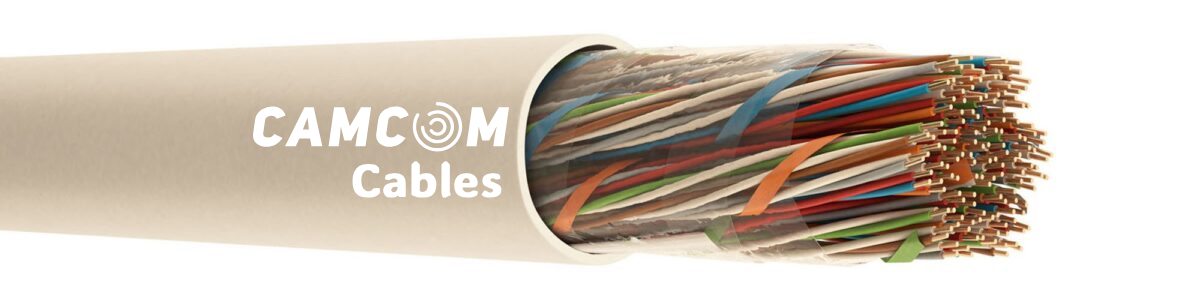
Telephone cables are traditional communication wires made from high-purity copper, designed to transmit voice, data, and even video signals. For decades, these cables have formed the backbone of telecommunication networks and, even today, remain widely used around the world despite the rise of fiber-optic technology.
Key Features of Telephone Cables
Material
-
Made from high-purity copper for excellent electrical conductivity.
-
Insulated with durable materials such as PVC or polyethylene to ensure long-lasting protection.
Transmission Capabilities
-
Primarily designed for analog voice signals.
-
Supports basic internet connectivity through Digital Subscriber Line (DSL) technology.
-
Bandwidth is limited compared to modern fiber-optic cables.
Common Applications
-
Landline Telephone Systems: Dependable for voice communication.
-
Broadband Internet: Frequently used in DSL services for homes and small businesses.
Advantages of Telephone Cables
-
Established Infrastructure: Well-integrated into existing networks worldwide.
-
Ease of Maintenance: Simple to splice, repair, or replace when needed.
Limitations of Telephone Cables
-
Signal Interference: Susceptible to electromagnetic interference (EMI) and noise.
-
Limited Bandwidth: Cannot match the speed or capacity of fiber-optic networks.
-
Distance Constraints: Signal quality diminishes over long distances without repeaters or amplifiers.
Why Copper Telephone Cables Are Still Relevant
Even as fiber-optic technology dominates high-speed communication, copper cables continue to hold value in specific situations:
-
Legacy Systems: Many older telecom networks still depend on copper infrastructure.
-
Last-Mile Connectivity: DSL networks use copper to connect homes to main broadband lines.
In short, telephone cables have played a crucial role in shaping modern communication. While newer technologies offer faster speeds, copper remains a reliable, cost-effective solution for legacy systems and budget-conscious deployments.
CPR in the Cable Industry
What is the Construction Products Regulation (CPR)?
The Construction Products Regulation (CPR) is a key standard in the cable industry that ensures cables used in construction projects are safe, high-performing, and compliant. Introduced by the European Union (EU), CPR harmonizes fire safety requirements for cables—covering power, control, and communication cables—installed in buildings and other infrastructure.
In essence, CPR ensures that cables are designed to limit fire hazards, protecting both lives and property in case of a fire. It applies to cables permanently installed in residential, commercial, or industrial buildings.
Key Aspects of CPR in Cables
1. Fire Performance Classes:
-
Aca: No contribution to fire
-
B1ca, B2ca, Cca: Low contribution to fire
-
Dca: Moderate contribution to fire
-
Eca: High contribution to fire
-
Fca: No performance determined
Higher classes, like B2ca, provide better fire resistance, with lower heat and smoke emissions than lower classes such as Eca or Fca.
2. Testing Criteria:
Cables are tested for:
-
Flame spread
-
Heat release
-
Smoke production
-
Acidic gas emission
-
Flaming droplets during combustion
3. CE Marking:
CPR-compliant cables carry a CE marking, which indicates their fire performance class. This allows users and specifiers to make informed choices.
4. Declaration of Performance (DoP):
Manufacturers provide a DoP document detailing the cable’s fire performance and compliance with CPR, ensuring transparency and trustworthiness throughout the supply chain.
Why CPR Matters in the Cable Industry
-
Safety First: CPR-compliant cables reduce the risk of fire spreading and limit toxic smoke, safeguarding lives in emergencies.
-
Regulatory Compliance: CPR is mandatory in EU member states; non-compliance can lead to fines, recalls, and reputational damage.
-
Market Standardization: Harmonized standards create a level playing field for manufacturers across the EU, ensuring consistent quality.
-
Sustainability: Many CPR-certified cables are designed to minimize harmful emissions, supporting environmentally responsible construction practices.


