 +31708910864
 sales@camcom.co.nl

 Management's Insight
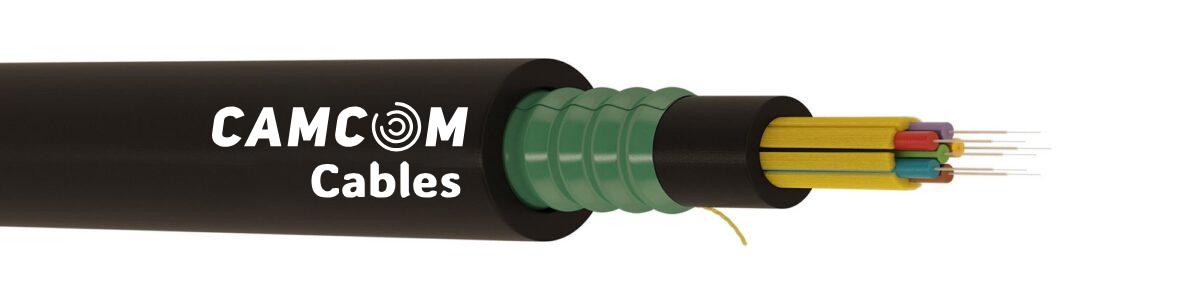
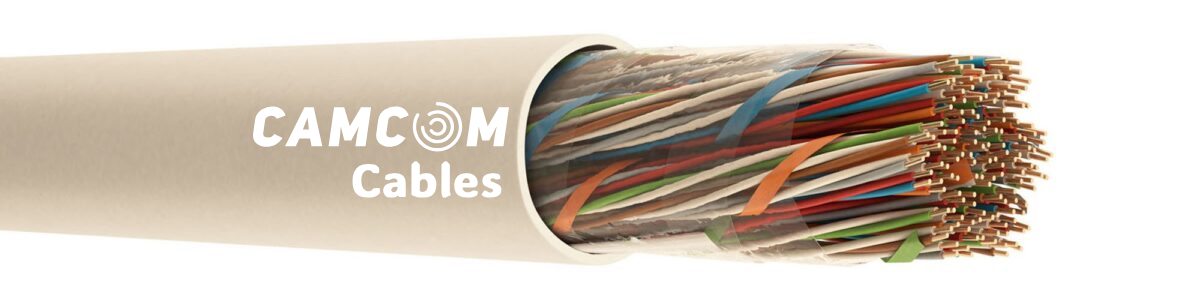
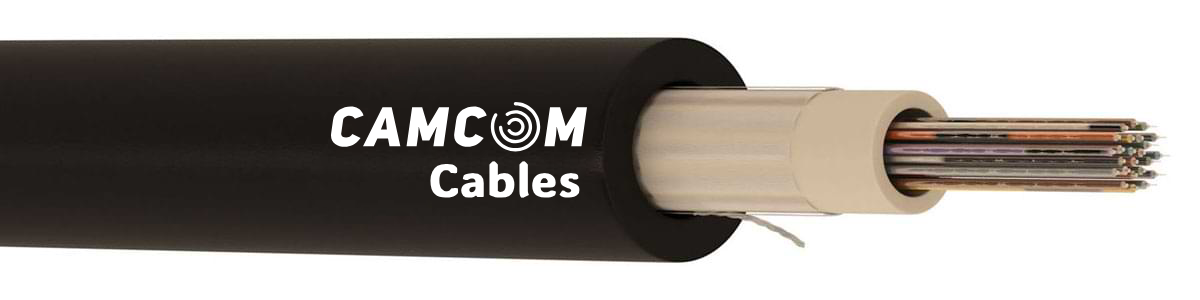
Fiber Optic Cables

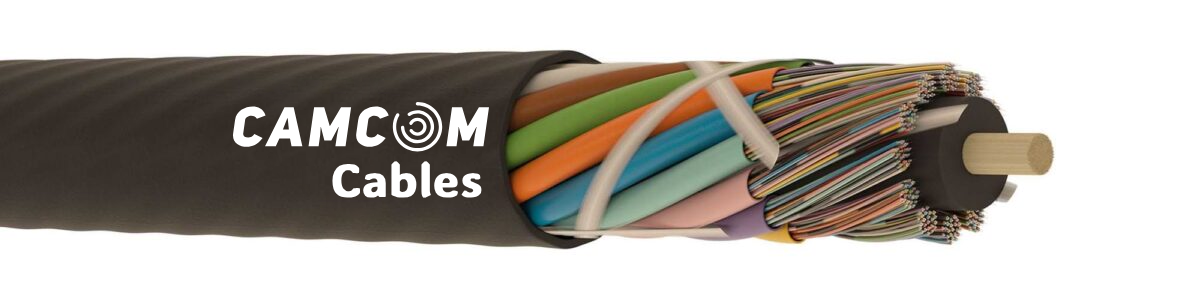
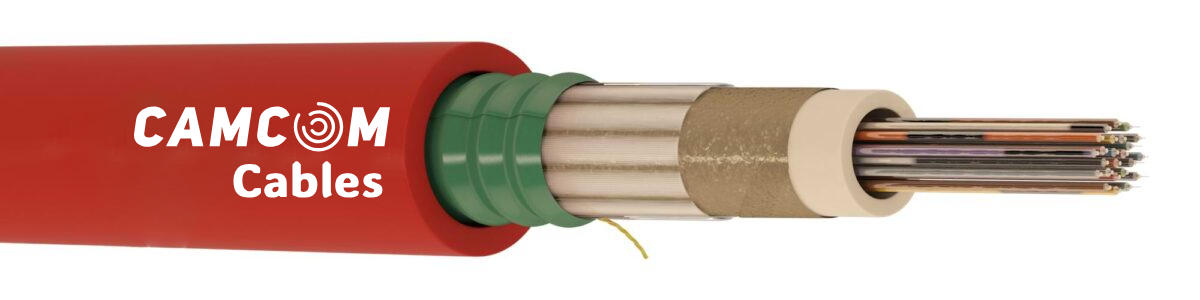
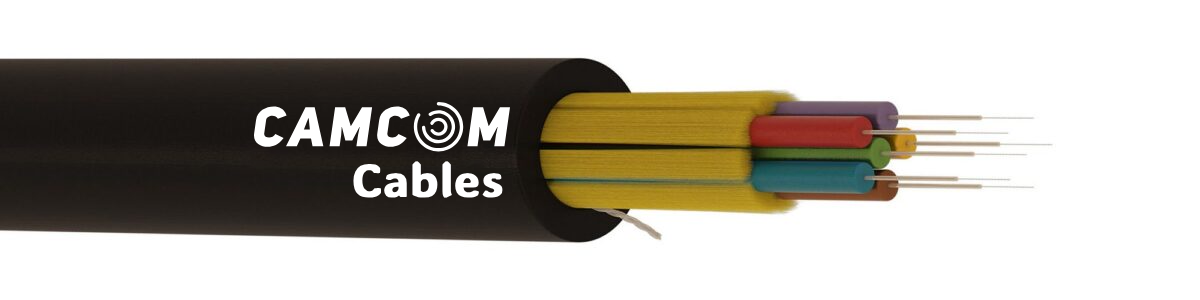
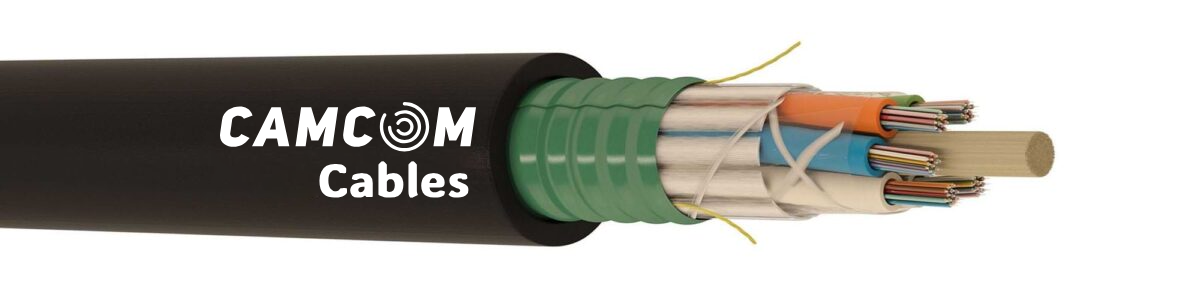
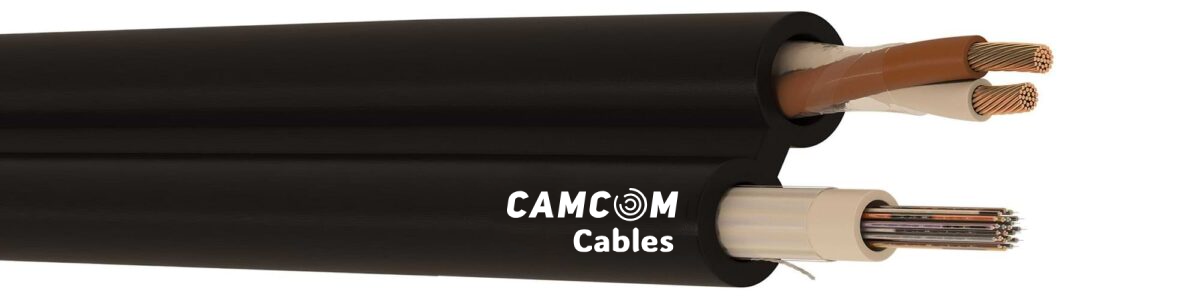
Fiber Optic Cables | Fast, Reliable Connectivity for Modern Networks
In today’s fast-moving digital world, fiber optic cables are the backbone of high-speed communication. They deliver lightning-fast data, massive bandwidth, and rock-solid reliability—so basically, they’re essential for telecom networks, enterprise systems, data centers, and industrial applications.
What Are Fiber Optic Cables?
At their core, fiber optic cables transmit data as pulses of light through glass fibers. Compared to traditional copper cables, they offer:
• Faster speeds
• Greater bandwidth
• Lower signal loss
• Resistance to electromagnetic interference (EMI)
And here’s the thing—they come in single-mode and multimode options, so they can fit almost any network setup.
Different Types of Fiber Optic Cables
• Single Loose Tube (SLT): Perfect for outdoor, long-distance telecom projects, built to handle tough environmental conditions.
• Multi Loose Tube (MLT): Ideal for high fiber-count installations in metro and backbone networks.
• Tight-Buffered Cables: Great for indoor use, data centers, and structured cabling systems.
• Aerial (ADSS) Cables: Installed on poles without support wires, saving both time and installation costs.
• FTTH Drop Cables: Designed for last-mile Fiber-to-the-Home connectivity.
• Armored Cables: Extra protection for underground or industrial setups, resistant to impacts, moisture, and external hazards.
Where Fiber Optics Are Used
You’ll find fiber optic cables anywhere fast and reliable communication matters:
• Telecom Networks: High-speed, long-distance data transmission
• Data Centers: Supporting dense, high-bandwidth systems
• Industrial Sites: Resistant to moisture, chemicals, vibration, and tough conditions
• Infrastructure Projects: Railways, airports, tunnels, and smart-city systems—always meeting fire and safety standards
Why Our Fiber Optic Cables Stand Out
So basically, what makes our fiber cables special?
• Manufactured according to international standards
• Rigorous quality control and lab testing
• Reliable, future-ready performance
• Customizable to fit specific project needs
• Expert engineering and technical support
And just to add, typical certifications include ISO/IEC, TIA/EIA, ITU-T, CPR, and other globally recognized standards.
Why Fiber Optics Are Essential
Fiber optic technology ensures:
• Blazing-fast data rates
• Long-distance transmission without signal loss
• Immunity to EMI
• Secure and stable communication
• Compatibility with next-gen technologies like 5G, IoT, AI networks, and cloud systems
Choosing the Right Fiber Optic Cable
Here’s what you should keep in mind:
• Environment: Indoor, outdoor, aerial, or underground
• Data Needs: Bandwidth, speed, and distance requirements
• Standards & Safety: Fire compliance and industry regulations
• Protection: Armoring, waterproofing, rodent resistance, and mechanical durability
Your Trusted Fiber Optic Partner With years of experience and a wide product range, we provide reliable, scalable fiber optic solutions for projects around the globe. Our focus on quality ensures networks run smoothly, project after project.
FAQ’s
Is fiber optic better than Wi-Fi?
Absolutely. Fiber is faster, more stable, and interference-free compared to wireless connections.
What do OM1, OM2, OM3, OM4, and OM5 mean?
- These are multimode fiber types, each supporting different speeds and distances.
- Newer generations are optimized for high-speed, laser-based transmission.
Does rain affect fiber internet?
Nope. Fiber transmits data via light, so rain doesn’t interfere. Only physical damage to outdoor cables could cause interruptions.


