 +31708910864
 sales@camcom.co.nl

 Management's Insight
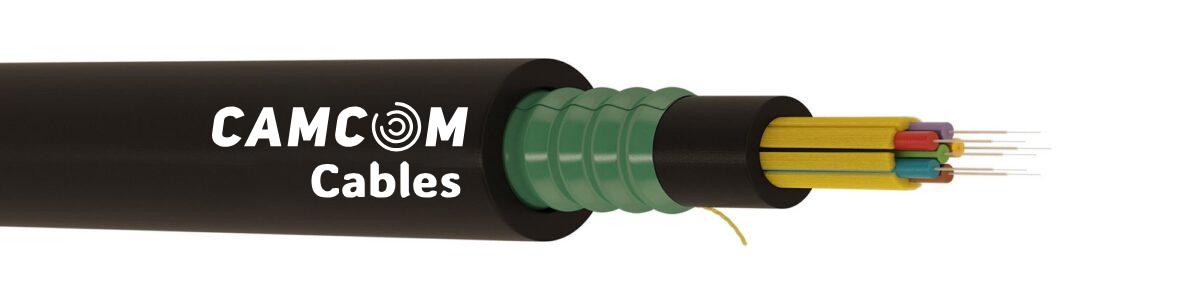

Aerial Fiber Optic Cable
Aerial Fiber Optic Cables | High-Reliability Overhead Connectivity by Camcom
Camcom’s Aerial Fiber Optic Cables are engineered for stable, high-performance data transmission in overhead network infrastructures. Built for telecom operators, broadband expansion, metropolitan networks, and rural connectivity programs, these cables ensure long-term reliability across diverse outdoor environments. Aerial deployment supports rapid rollout and cost-effective installations while delivering consistent, high-quality performance.
Advanced Construction for Overhead Deployment
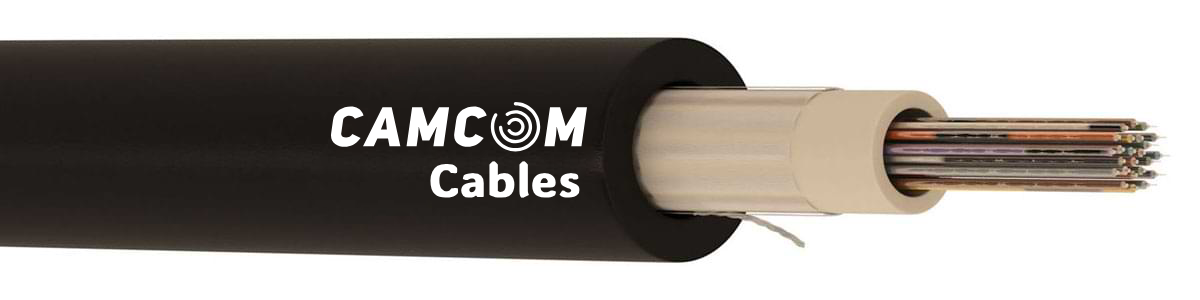
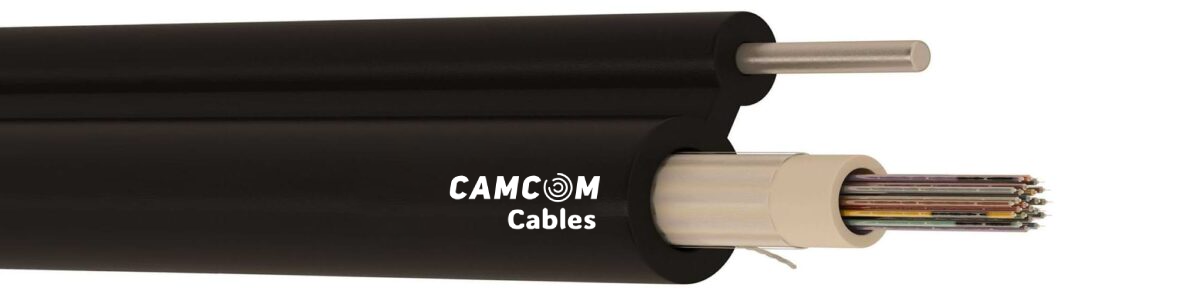
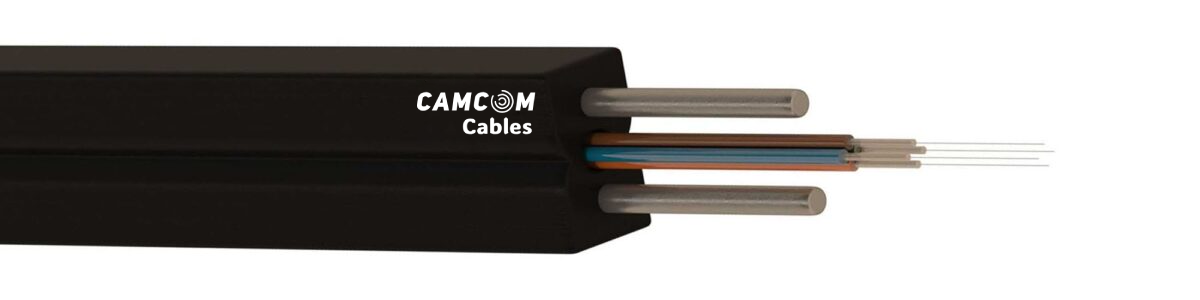
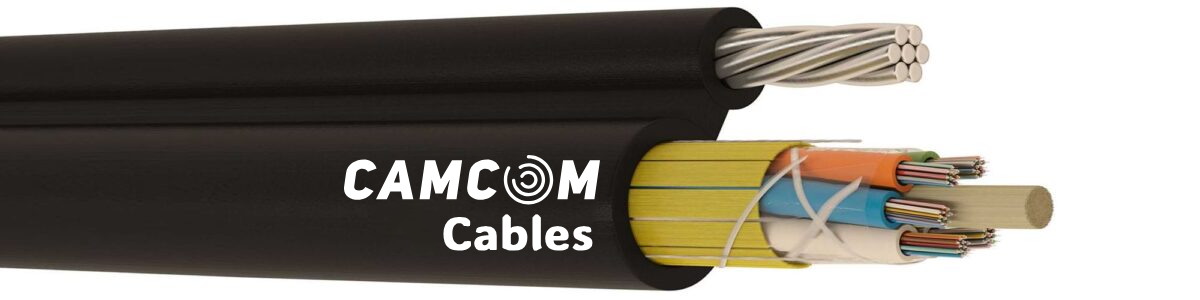
Camcom’s aerial portfolio includes All-Dielectric Self-Supporting (ADSS) and Figure-8 self-supporting cable designs. Each model is optimized for span length, pole spacing, and specific outdoor conditions. The result is high mechanical strength, reduced installation time, and dependable performance for urban, suburban, and long-route deployments.
Aerial Cable Types
Type Main Features Typical Applications
ADSS (All-Dielectric Self-Supporting) Non-metallic structure; immune to lightning and EMI Power line corridors, high-voltage areas, long aerial spans
Figure-8 Self-Supporting Integrated steel messenger for mechanical support Urban & rural distribution, broadband last-mile access
Fiber Options and Technical Performance
Camcom provides aerial cables in both single-mode and multi-mode variants:
• Single-Mode (G.652D / G.657A1 / G.657A2): Low attenuation for long-distance transmission
• Multi-Mode (OM1 / OM2 / OM3 / OM4 / OM5): High-bandwidth performance for shorter access networks
• Fiber Counts: Up to 144 cores (custom configurations available)
Each cable is optimized for optical stability, precise attenuation control, and dependable operation in overhead environments.
Environmental Durability and Long-Term Performance
Camcom’s aerial fiber optic cables are engineered for extreme outdoor exposure and mechanical loading:
• UV-resistant, weatherproof outer sheath
• Dry or gel-filled moisture-blocking construction
• High tensile strength to withstand wind pressure and ice load
• Temperature tolerance from −40 °C to +85 °C
This ensures stable optical performance, reduced maintenance, and extended service life.
Compliance and Quality Standards
All Camcom aerial cables adhere to globally recognized standards:
• IEC 60794 – Optical cable construction & testing
• IEC 60332 / 61034 / 60754 – Fire behavior & emission performance
• ITU-T G.652D / G.657 – Optical fiber characteristics
• ISO/IEC 11801 – Structured cabling compliance
Every production batch undergoes strict mechanical, optical, and environmental testing at Camcom’s advanced quality facilities.
Advantages of Camcom Aerial Fiber Optic Cables
• Lightning-safe ADSS design for high-voltage routes
• Fast and cost-efficient overhead installation
• Strong protection against UV, moisture, and mechanical stress
• CPR-compliant, globally compatible constructions
• Available in single-mode and multi-mode versions
Applications
Camcom’s aerial cables are widely deployed in:
• Telecom backbones and broadband infrastructure
• FTTH / FTTX access networks
• Rural broadband and last-mile connectivity
• Power utility communication lines
• Railway, roadside, and corridor signaling networks
Why Choose Camcom?
Camcom delivers globally trusted fiber optic solutions built on advanced engineering, global certifications, and world-class production capability. With strong manufacturing quality and international logistics support.
Camcom ensures faster deployment, superior reliability, and long-term network stability.
Camcom — Powering the world with reliable, high-performance aerial fiber optic technology.
FAQ’s
What is an aerial cable?
An aerial cable is a communication cable designed for overhead installation between poles. It is built to withstand wind loading, UV exposure, temperature variations, and ice buildup while carrying its own weight across spans.
What are the types of aerial fiber optic cables?
Common types include:
• ADSS: All-dielectric, lightning-immune, ideal near high-voltage lines
• Figure-8: Includes a steel messenger for added strength, ideal for short-to-mid spans
Variants also include lash-to-messenger builds and armored versions for high-risk environments.
Which fiber type is suitable for long-distance aerial runs?
Single-mode fibers (G.652D or G.657A1/A2) offer low attenuation and are best suited for long aerial routes.
Can fiber optic cables be installed aerially?
Yes. Aerial fiber optic cables are specifically engineered for overhead installation. ADSS is preferred for dielectric routes, while Figure-8 is chosen where messenger-supported strength is required.


