 +31708910864
 sales@camcom.co.nl

 Management's Insight
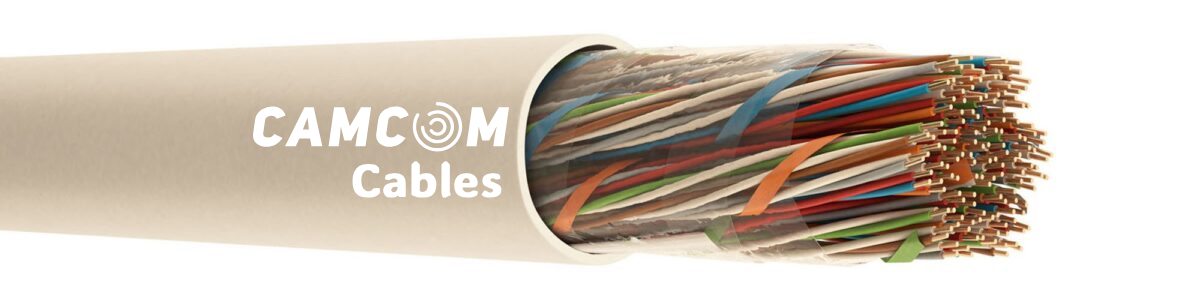
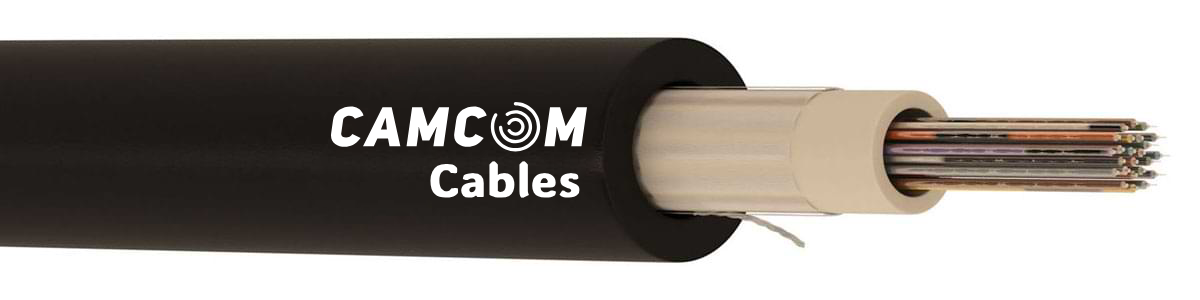
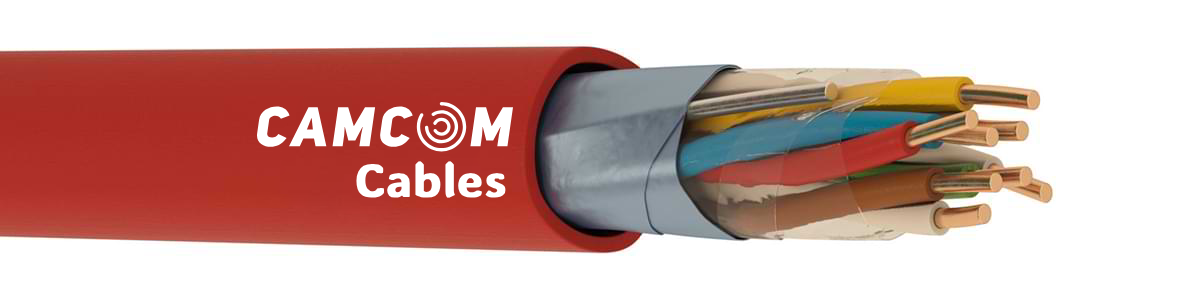
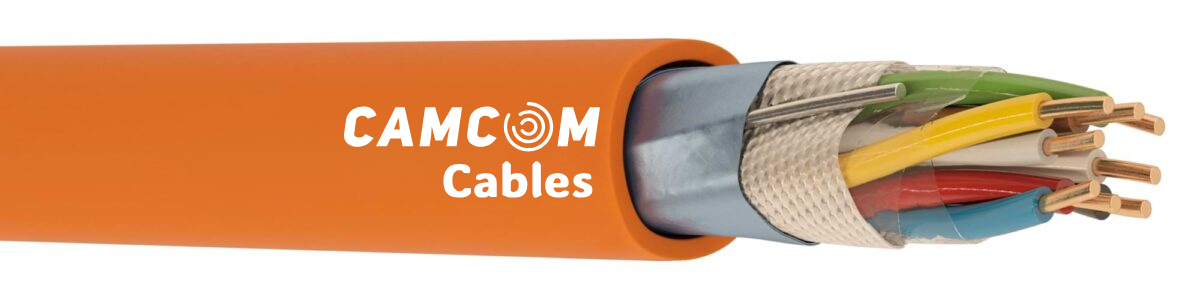

Multi Loose Tube Fiber Optic Cable
-
A-DF(ZN)(SR)T2Y Fiber Optic Cable
-
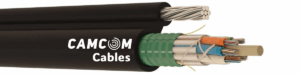
A-DF(ZN)(SR)T2Y Fiber Optic Cable
-
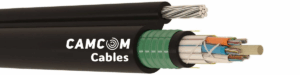
A-DF(ZN)(SR)T2Y Fiber Optic Cable
-
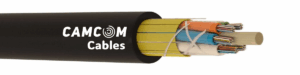
A-DF(ZN)2Y Fiber Optic Cable
-
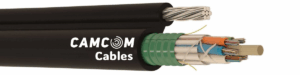
A-DF(ZN)2Y(SR)T2Y Fiber Optic Cable
-
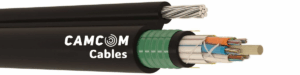
A-DF(ZN)2Y(SR)T2Y Fiber Optic Cable
-
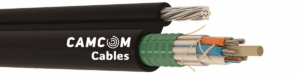
A-DF(ZN)2Y(SR)T2Y Fiber Optic Cable
-
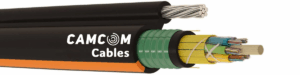
A-DF(ZN)2Y(SR)T2Y Türk Telekom Fiber Optic Cable
-
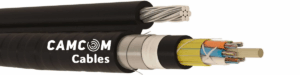
A-DF(ZN)2Y2BT2Y Fiber Optic Cable
Multi Loose Tube Fiber Optic Cables — High-Capacity Fiber Built for Large Networks
Camcom | Signaling Innovation
When networks scale, the cabling needs to keep up. Camcom’s Multi Loose Tube Fiber Optic Cables are designed exactly for that—large outdoor networks that require high capacity, long-term reliability, and strong mechanical protection. With support for up to 144 fibers and beyond, these cables are perfect for metro backbones, FTTX deployments, regional broadband rollouts, and mission-critical telecom infrastructure where performance isn’t negotiable.
A Design Made for Capacity and Reliability
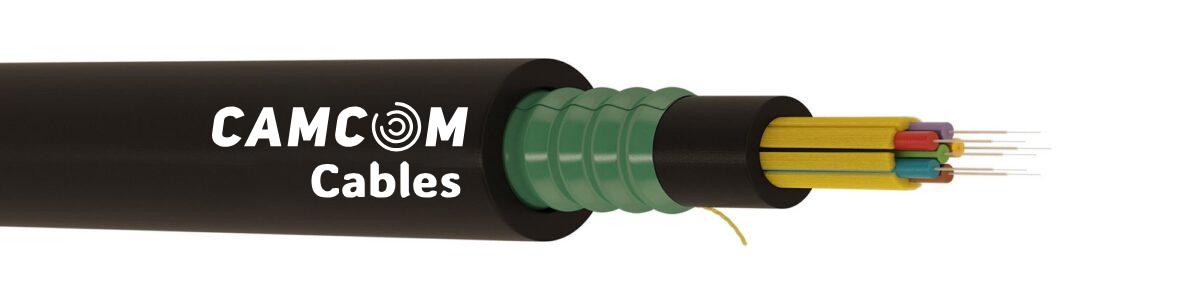
Inside each cable, the fibers sit in gel-filled or dry water-blocked loose tubes, which are then stranded around a central strength member. This structure provides:
• Strong mechanical stability
• Excellent moisture protection
• Reliable bend performance
• Stable low-loss transmission over long distances
Whether the deployment is underground, aerial, or routed through outdoor ducts, this design helps maintain consistent optical performance in real-world environments.
These cables are available in both single mode (G.652D, G.657A1/A2) and multimode (OM1–OM5) options—so they work for everything from long-haul telecom to dense campus fiber networks.
Built for Harsh Installations
Different environments demand different sheathing options, so Camcom offers the following:
• PE: Great for ducts and direct burial with strong abrasion and moisture resistance.
• HDPE: Higher tensile and crush strength for uneven or rugged terrain.
• LSZH: Low-smoke, halogen-free material suitable for indoor/outdoor hybrid routes or fire-regulated areas.
Additional reinforcement options include:
• Corrugated Steel Tape (CST): Adds rodent protection and higher crush strength.
• Glass yarn reinforcement: Ideal for tensile loads in conduit or aerial spans.
So, whether the route is buried, installed between buildings, or exposed outdoors, there’s a version suited to the environment.
Quality Standards & Testing
Every cable is manufactured and tested according to recognized industry benchmarks such as:
• IEC 60794
• ITU-T G.652/G.657
• EN 50173
Tests cover attenuation, crush resistance, tensile strength, temperature cycling, and environmental durability—ensuring the cable remains stable throughout its service life.
Where These Cables Are Used
You’ll typically find Camcom Multi Loose Tube cables in:
• Telecom backbone networks
• Data center inter-building links
• FTTX and broadband rollouts
• Industrial and utility communication systems (SCADA, power grid, railways)
Anywhere large-scale fiber capacity and long-term reliability are required; these cables play a key role.
Why Choose Camcom Multi Loose Tube Cables?
Some standout advantages include:
✔ Support for 144+ fibers for dense networks
✔ Gel-filled or dry-core options for moisture protection
✔ Rugged mechanical design for harsh outdoor use
✔ Available in metallic or non-metallic armored versions
✔ Suitable for ducts, aerial spans, and buried installations
✔ Fully compliant with IEC and ITU-T standards
In short, they’re engineered to grow with expanding network demands and stay reliable for years in the field.
Future-Ready Fiber Connectivity
As fiber infrastructure continues to evolve worldwide, Camcom’s Multi Loose Tube Fiber Optic Cables offer a scalable, durable solution ready for next-generation performance—whether powering national broadband programs or connecting enterprise-level systems.
Camcom delivers fiber solutions built not just to support today’s bandwidth demands, but to handle tomorrow’s network growth with confidence.
FAQ’s
What’s the difference between central loose tube and multi loose tube?
• Central Loose Tube: All fibers sit in one tube (up to ~48 fibers).
• Multi Loose Tube: Multiple tubes with stranded fibers—supports 144 to 288+ fibers and offers better scalability and durability.
What is a loose tube fiber cable?
It’s a cable structure where fibers sit inside gel-filled or dry water-blocked tubes, allowing movement and protection from environmental and mechanical stress—ideal for outdoor use.
What does multi-stranded fiber mean?
It means the cable contains multiple individual fibers, each serving as its own data path. In multi loose tube designs, these fibers are split across several tubes for better organization and scale.
What is a multi-channel fiber optic cable?
It’s a fiber cable designed with multiple data pathways within a single jacket, significantly increasing total bandwidth—making it ideal for backbone and high-density network deployments.


