 +31708910864
 sales@camcom.co.nl

 Management's Insight
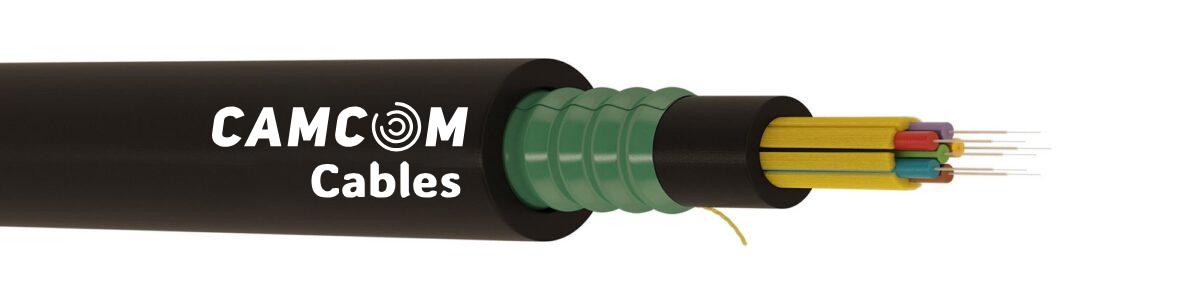

Indoor/Outdoor Fiber Optic Cable
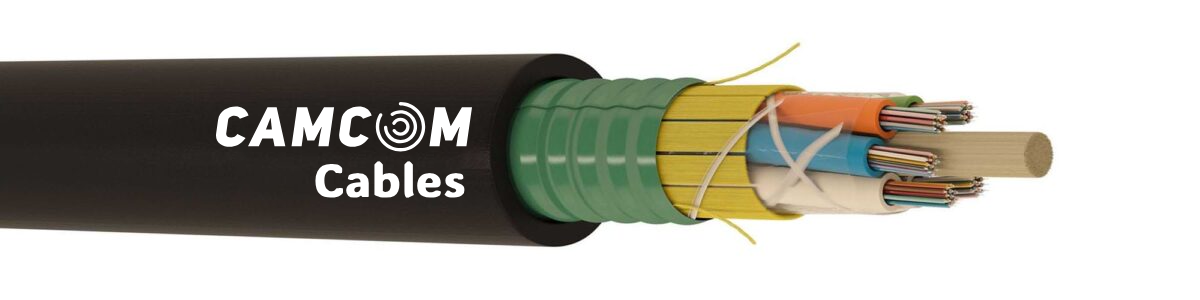
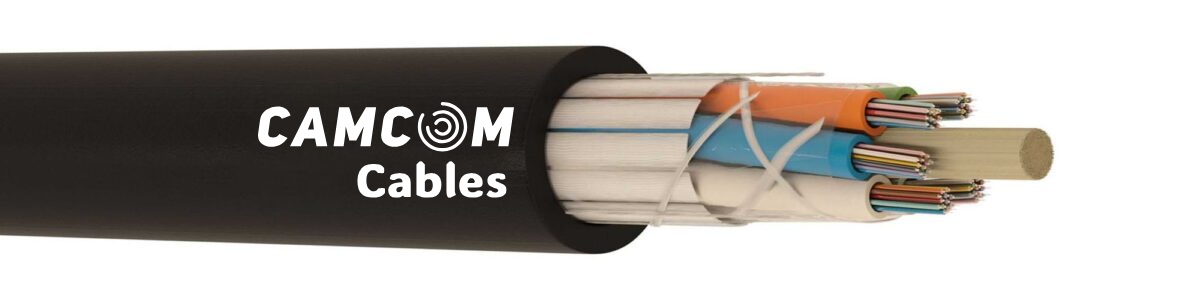
Indoor/Outdoor Fiber Optic Cables | High-Performance Connectivity by CamCom
When it comes to building fast and reliable networks, flexibility matters — and that’s exactly what CamCom’s Indoor/Outdoor Fiber Optic Cables are designed for. They deliver smooth, high-speed data transmission whether installed inside a controlled indoor environment or routed across outdoor pathways. These cables are ideal for data centers, broadband rollouts, FTTH/FTTX projects, enterprise networks, and large telecommunications infrastructure.
Built for Both Environments — One Cable, Multiple Uses
Instead of swapping between different cable types depending on the installation route, CamCom’s hybrid indoor/outdoor design lets you use one cable from the rack all the way to the field. They work perfectly in ducts, risers, trays, conduits, and other pathways — helping reduce installation time, avoid unnecessary transitions, and lower overall project cost.
Fiber Options & Network Compatibility
Every network has different requirements — so CamCom offers multiple fiber types and configurations, including:
Fiber Type Standard Best For
Single Mode (SM) G.652D / G.657A1 / G.657A2 Long-distance and high-speed telecom networks, FTTH backbones, metro links
Multi-Mode (MM) OM1 / OM2 / OM3 / OM4 / OM5 Data centers, enterprise LANs, and high-bandwidth indoor systems
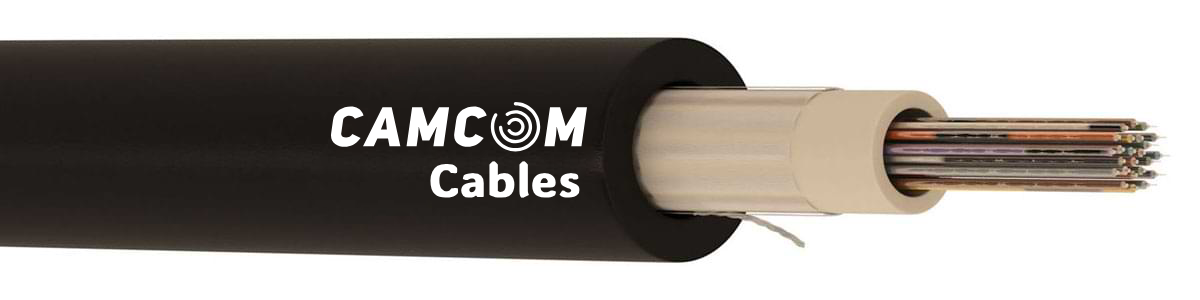
Available in Single Loose Tube and Multi Loose Tube designs, these cables support anywhere from 2 to 144 fibers — giving you the flexibility to scale as your network grows.
Engineered for Strength, Weather Resistance & Durability
CamCom’s indoor/outdoor fiber cables are constructed to handle environmental challenges outdoors while staying fully compliant with indoor safety standards.
Key features include:
Jackets: UV-resistant PE or LSZH (indoor-safe)
Strength Members: Dielectric FRP or metallic steel wire for rodent and mechanical protection
Operating Temperature: –40 °C to +85 °C
Installation Ready: Ideal for ducts, trays, risers, conduits, or wall-mounted runs
Moisture-blocking layers, UV protection, and low-attenuation glass ensure performance remains consistent — even in harsh climates or long-distance routing.
Built to Meet Global Standards
CamCom cables are tested and certified according to major international compliance requirements, including:
IEC 60794 – Cable construction & mechanical testing
IEC 60332-1 / 60332-3 – Flame resistance
IEC 60754 / IEC 61034 – Low smoke + zero halogen performance
EN 50575 (CPR) – B2ca / Cca fire ratings
ISO/IEC 11801 – Structured cabling compatibility
Where These Cables Work Best
These hybrid cables are commonly used for:
FTTH, FTTB, and FTTX deployments
Data centers, hospitals, commercial infrastructure, and universities
Telecom networks and metropolitan rings
Gigabit, 10G, 40G, and 100G high-performance Ethernet
The result? A stable network with reduced installation complexity and improved long-term performance.
Why Choose CamCom?
CamCom combines engineering expertise with globally recognized manufacturing standards. Every cable is tested for optical performance, durability, and environmental resilience — so you get consistent quality, no matter the scale of your project.
CamCom — One cable. Many environments. Reliable connectivity from rack to route.
Frequently Asked Questions
1. What’s the difference between indoor and outdoor fiber cables?
Indoor cables prioritize fire safety, while outdoor versions are made to handle UV, weather, and physical stress. Indoor/outdoor cables combine both benefits.
2. Can fiber cables be used outdoors?
Yes — as long as they are outdoor-rated or hybrid types designed to resist moisture, temperature changes, and UV exposure.
3. Can indoor fiber be used outdoors?
Not recommended. Standard indoor cables lack environmental protection.
4. What is an indoor/outdoor fiber cable?
It’s a hybrid cable designed for continuous indoor-to-outdoor runs — meeting both fire safety and environmental durability requirements.
5. Should I use OM3 or OM4?
Both are multimode fibers, but OM4 supports higher bandwidth and longer reach, especially for modern data center applications.
6. Are fiber cables waterproof?
Outdoor and hybrid cables use water-blocking gel, yarn, or dry tape to prevent moisture entry.
7. What type is best for underground ducts or burial?
Loose Tube armored cables (STA/CST) or dielectric gel-filled designs are the best fit for underground environments.


