 +31708910864
 sales@camcom.co.nl

 Management's Insight
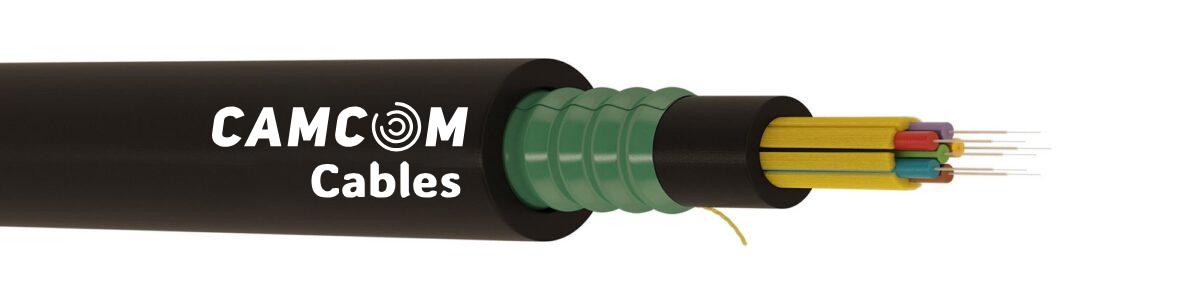

Metallic Armored Fiber Optic Cable
-
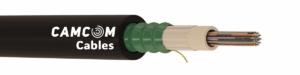
A-D(ZN)(SR)2Y Fiber Optic Cable
-
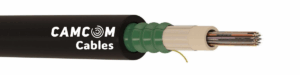
A-D(ZN)(SR)2Y Fiber Optic Cable
-
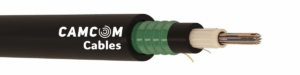
A-D(ZN)2Y(SR)2Y Fiber Optic Cable
-
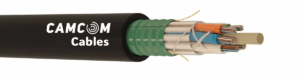
A-DF(ZN)(SR)2Y Fiber Optic Cable
-
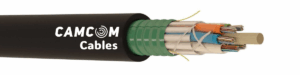
A-DF(ZN)(SR)2Y Fiber Optic Cable
-
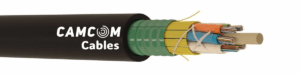
A-DF(ZN)(SR)2Y Fiber Optic Cable
-
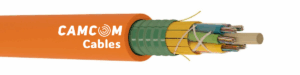
A-DF(ZN)(SR)2Y Türk Telekom Fiber Optic Cable
-
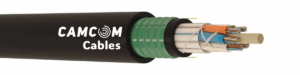
A-DF(ZN)2Y(SR)2Y Fiber Optic Cable
-
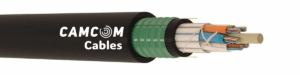
A-DF(ZN)2Y(SR)2Y Fiber Optic Cable
Metallic Armored Fiber Optic Cables — Built to Protect Your Network Anywhere
Camcom | Signaling Innovation
Some installations demand more than just performance—they need toughness. That’s exactly where Camcom’s Metallic Armored Fiber Optic Cables come in. These cables are designed to handle rugged outdoor environments, underground routes, and industrial locations where equipment is exposed to impact, rodents, soil pressure, or unpredictable terrain.
So basically, if the network is going somewhere harsh, these cables are built for it.
________________________________________
Engineered to Handle Tough Conditions
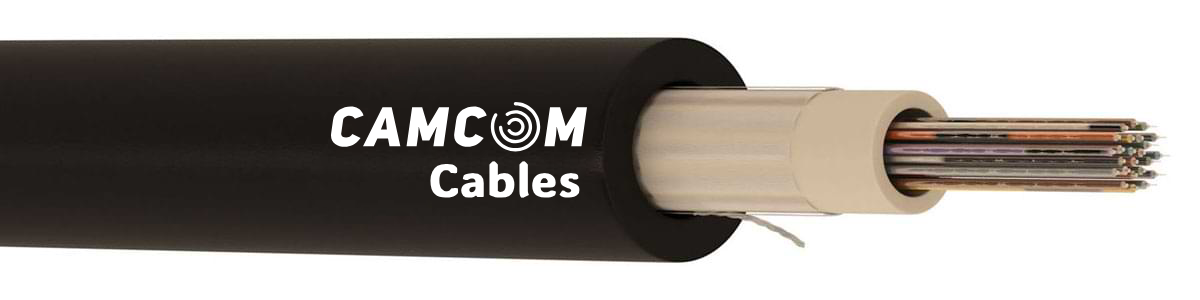
These cables use a central loose-tube structure filled with moisture-blocking gel to help protect the fibers from long-term environmental exposure. Then, metallic armor—either Corrugated Steel Tape (CST) or Steel Wire Armor (SWA)—adds a serious layer of physical protection.
Paired with a UV-resistant PE or HDPE outer jacket, the design helps defend against:
• Abrasion or crushing
• Rodent damage
• Soil pressure and movement
• Chemicals and moisture
• Intense outdoor weather and temperature swings
Whether they’re buried directly, pulled through ducts, or routed overhead, these cables keep the network stable and operational—even when conditions aren’t friendly.
________________________________________
Fiber Options to Fit Your Network
Different installations need different fiber types, so Camcom offers both singlemode and multimode options:
Fiber Type Standard Best For
Singlemode G.652D / G.657A1 / G.657A2 Long-distance telecom and backbone networks
Multimode OM1–OM5 LANs, enterprise systems, and short-range high-bandwidth needs
Armor Options:
• CST: More compact and easier to handle
• SWA: Heavy-duty protection for extreme environments
Whichever structure is chosen, each cable is optimized to deliver low signal loss and stable optical performance—even where vibration, soil movement, or installation stress are concerns.
________________________________________
Built to Meet Global Standards
Quality and consistency matter, especially for government, carrier, and industrial deployments. That’s why every Camcom armored fiber cable is designed and tested to meet key standards, including:
• IEC 60794
• ITU-T
• EN 50173
Each production batch is tested for:
• Attenuation
• Crush resistance
• Armor bonding strength
• Environmental durability
So you’re not just getting strong cable—you’re getting verified performance.
________________________________________
Key Benefits at a Glance
✔ Superior mechanical strength (thanks to CST or SWA armor)
✔ Excellent protection against rodents and direct physical damage
✔ Gel-filled construction to keep moisture out
✔ Long-term outdoor durability with a tough PE/HDPE jacket
✔ Consistent optical performance with low signal loss
________________________________________
Where These Cables Are Commonly Used
You’ll typically see metallic armored fiber deployed in places like:
• Direct burial fiber routes
• Railways, highways, and tunnels
• Industrial complexes and power facilities
• Government and defense installations
• Duct networks with crush or interference risk
Basically—anywhere the environment can’t be trusted.
________________________________________
Why Choose Camcom Metallic Armored Fiber?
Camcom designs these cables for long service life, consistency, and peace of mind. They combine:
• Strong mechanical defense
• High optical performance
• Proven durability in the field
So if your project requires fiber that can survive harsh handling and environmental exposure, metallic armored fiber is the right choice—and Camcom builds it to last.
________________________________________
Frequently Asked Questions
What’s the difference between armored and unarmored fiber?
Armored fiber includes a protective steel layer to guard against physical damage. Unarmored versions don’t include metal and are better suited for controlled or indoor environments.
When should armored fiber be used?
Use it for direct burial, high-risk ducts, rodent-prone paths, railways, roadways, or any outdoor installation where physical risk is high.
Is armored fiber stronger?
Yes—significantly. The steel layer helps resist crushing, impacts, and installation stress.
Does fiber optic cable contain metal?
Only if it’s metallic armored fiber. All-dielectric versions contain zero metal and are used where electrical insulation or lightning immunity is required.
Are there drawbacks?
Armored fiber is heavier, slightly harder to terminate, and may require grounding—depending on local installation rules.


