 +31708910864
 sales@camcom.co.nl

 Management's Insight
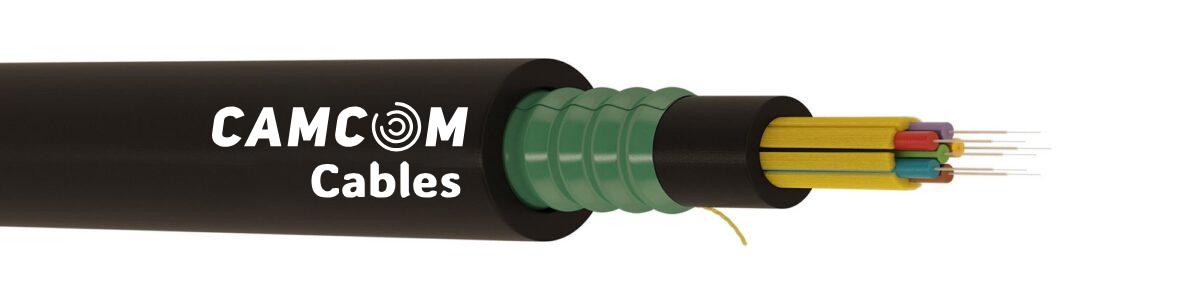
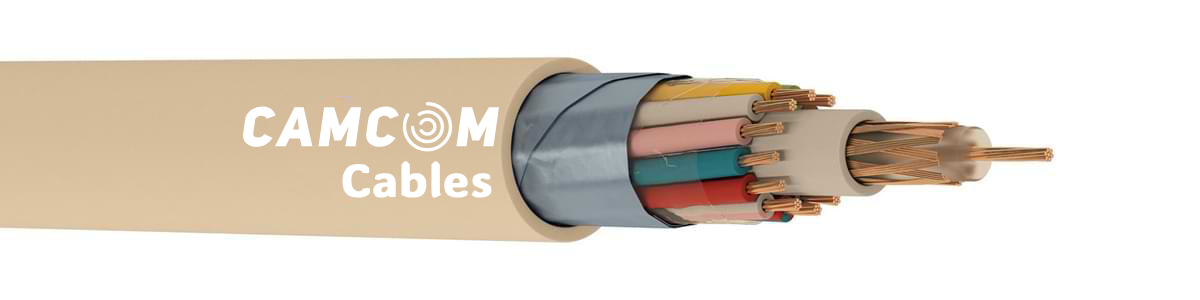
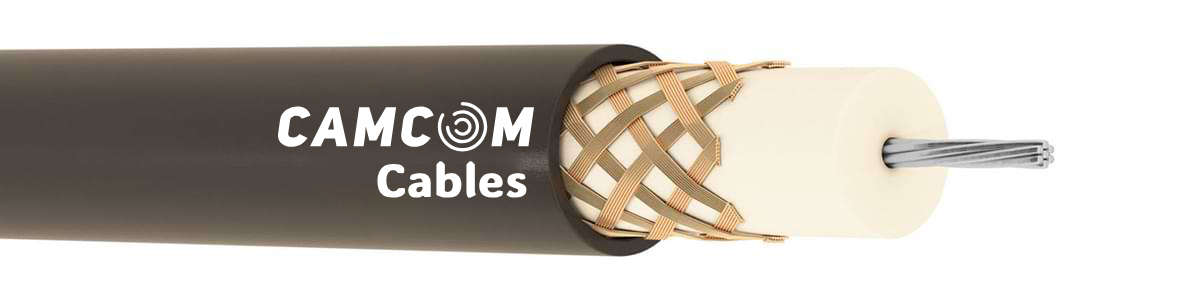
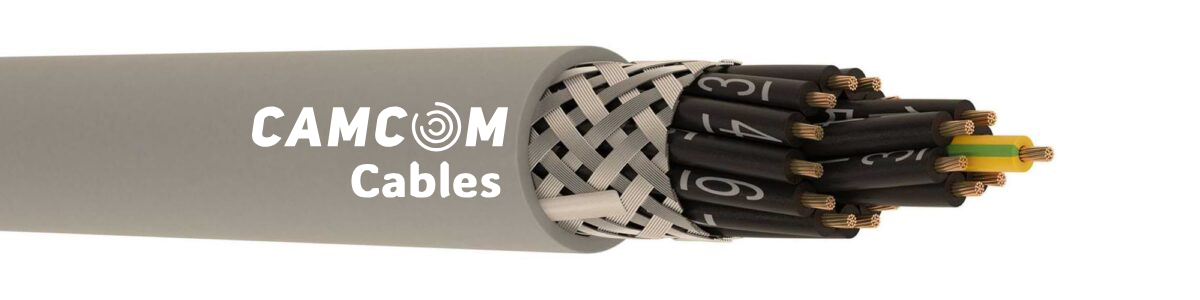
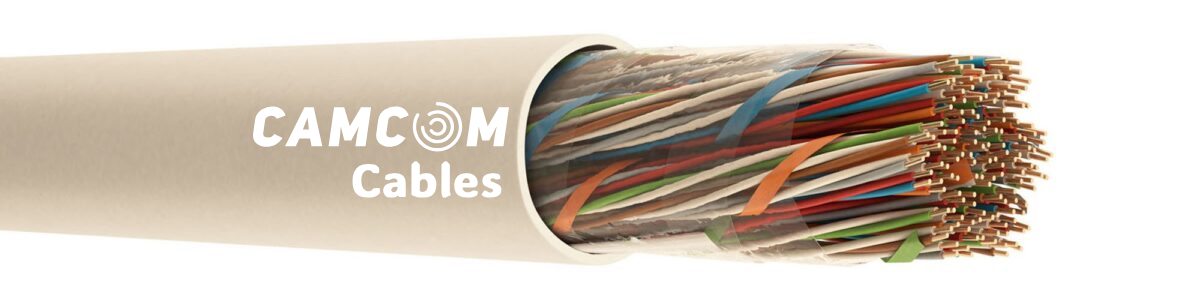
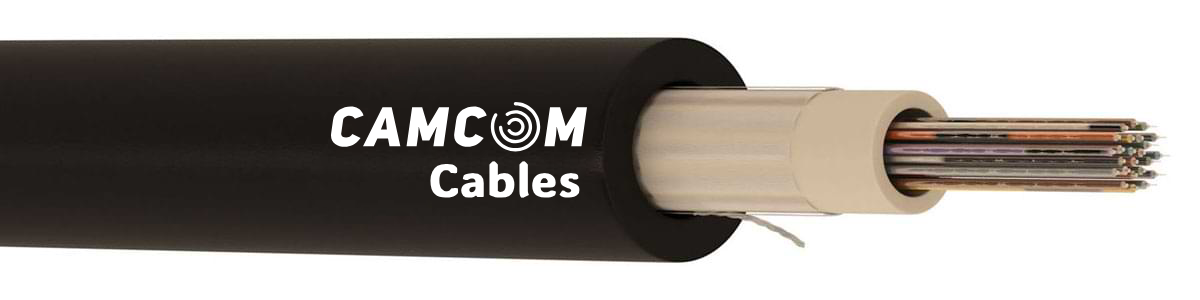
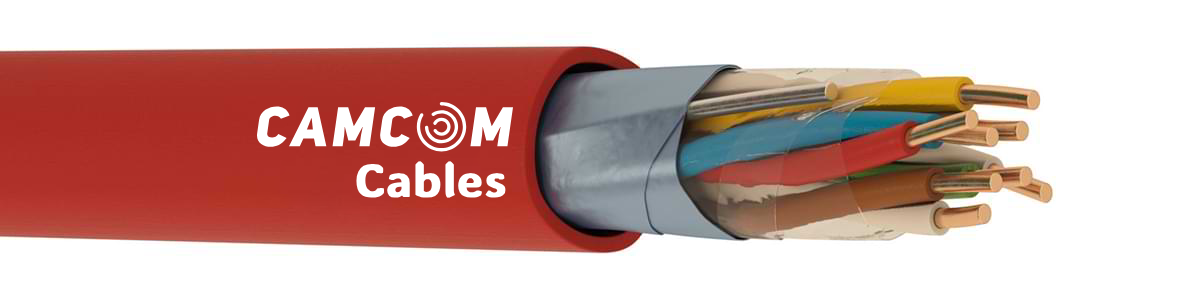
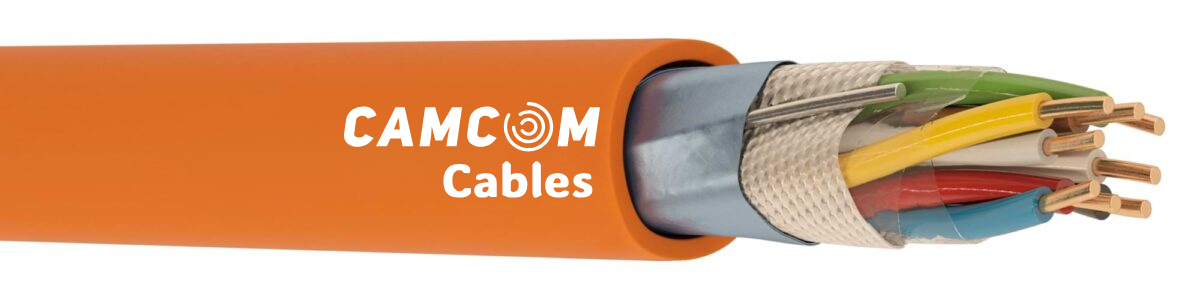
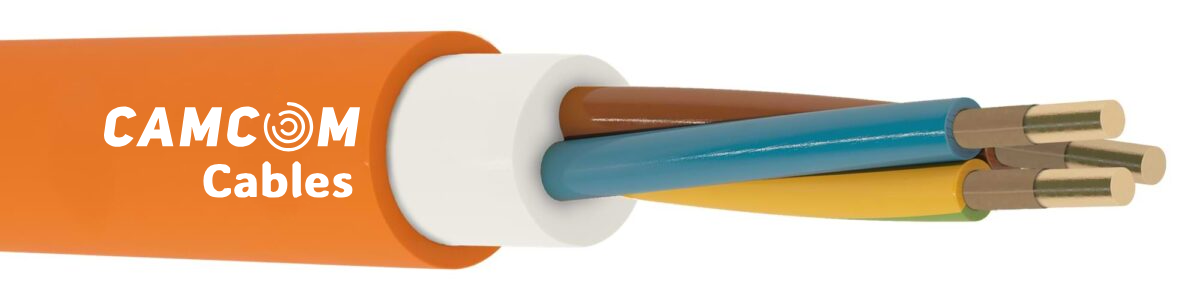
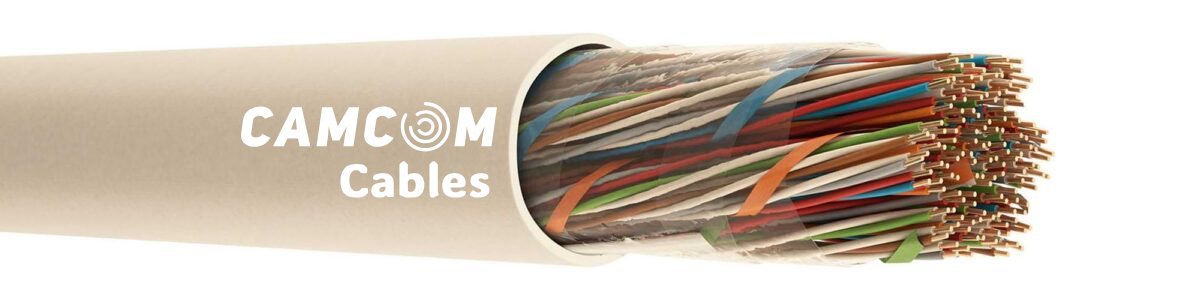
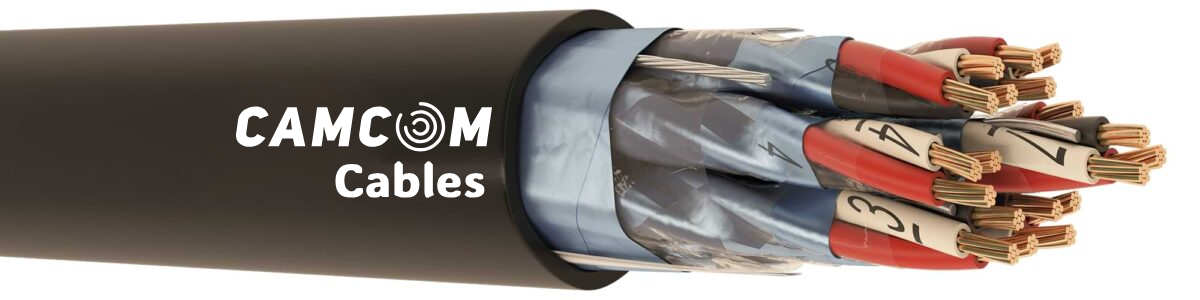
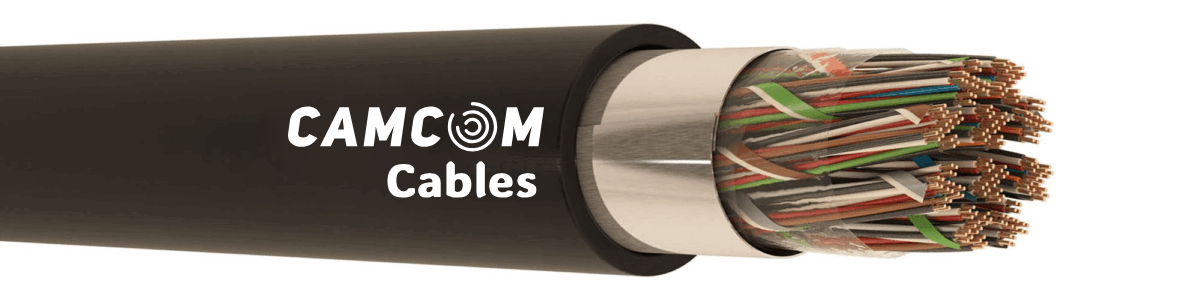
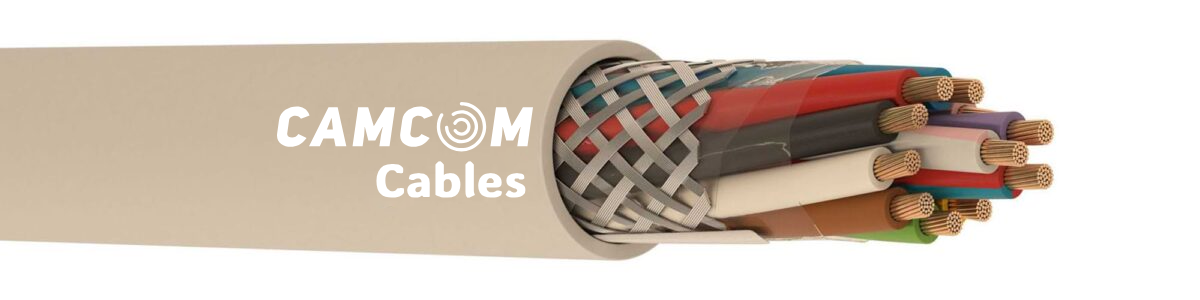
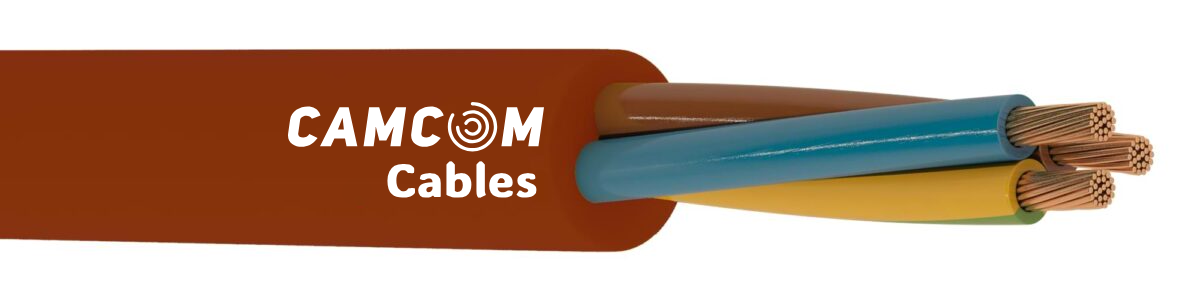
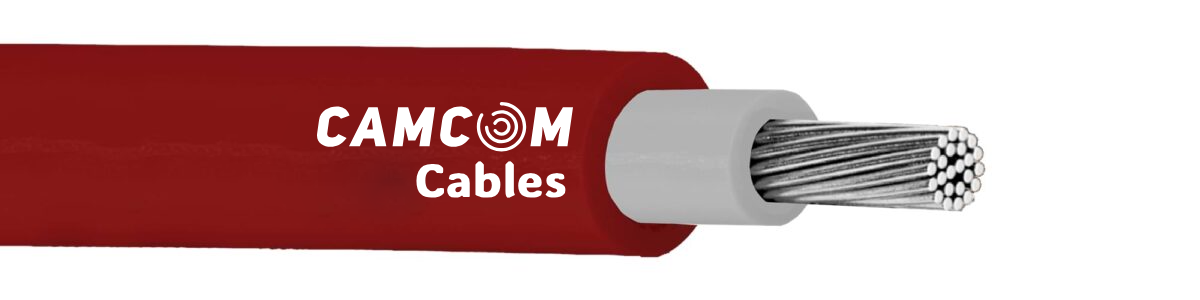
Signal Control Cables


Signal and Control Cables — By Camcom Signaling Innovation
Signal and control cables might not grab attention at first glance, but they play a huge role in modern automation and communication systems. They’re the reason sensors, control units, devices, and monitoring equipment can talk to each other smoothly.
At Camcom Signaling Innovation, we offer a complete range of trusted cable types — including LIYCY, LIYY, LIHH, and LIHCH — designed for automation, HVAC, instrumentation, process control, and building technology. These cables follow VDE 0812 and IEC standards, so you can expect stable, interference-free performance whether the installation is fixed or flexible.
How They’re Built — and Why It Matters
Inside each cable, you’ll find fine-stranded Class 5 copper conductors (per IEC 60228). That means they’re flexible, easy to handle, and perfect for tight routing inside control cabinets and junction systems.
The insulation depends on the cable family:
- LIYCY and LIYY → PVC insulation for standard signal and control tasks
- LIHH and LIHCH → Halogen-free insulation for better fire safety and reduced emissions
Core markings follow requested coding — either DIN 47100 colors or number systems — so wiring stays organized and traceable.
Shielding — When You Need It and When You Don’t
Not every system needs shielding, so here’s the quick breakdown:
- LIYCY and LIHCH (shielded):
Include a tinned copper braid (≥85% coverage) to block electromagnetic interference — great for locations near drives, high-voltage circuits, or industrial electronics. - LIYY and LIHH (unshielded):
Ideal for clean, low-EMI environments where shielding isn’t necessary — and you save costs.
Sheaths are typically PVC or halogen-free thermoplastics and usually come in light grey (RAL 7035) — though project-specific colors are available.
Electrical + Flame Ratings
These cables are built to perform under real-world conditions:
- Voltage rating: 300/500 V
- Test voltage: Up to 1.2 kV AC
- Temperature ranges:
- PVC: –30°C to +70°C fixed
- Halogen-free: down to –40°C
- Flexing: –5°C to +70°C (depending on type)
- Flame protection:
- All types: IEC 60332-1-2 compliant
- Halogen-free variants also comply with:
IEC 60332-3, IEC 60754-1/2, IEC 61034
So basically — whether you’re prioritizing fire safety, EMI protection, or cost-effective signal wiring, there’s a matching cable version.
Where Each Type Is Used
Here’s a quick “what goes where” guide:
| Cable Type | Best Use Case |
| LIYCY | EMI-sensitive signals, control loops, audio, process automation |
| LIYY | General internal wiring in control or automation panels |
| LIHH | Buildings with strict fire standards — hospitals, public buildings |
| LIHCH | Halogen-free + shielded for public transport, pharma sites, infrastructure |
Industries That Rely on These Cables
You’ll find these cables everywhere from smart buildings to automated factories:
- Process automation and PLC wiring
- HVAC and building management systems
- Fire alarm and access control networks
- Industrial monitoring and cleanroom environments
- Renewable energy systems and instrumentation networks
Wherever accuracy, reliability, and safety matter — these cables fit the job.
Standards, Testing, and Certifications
All cables are manufactured under ISO 9001 quality systems and go through:
- Conductor resistance testing
- Dimensional checks
- Insulation and high-voltage verification
- Shield continuity tests
- Flame and smoke compliance testing
They’re RoHS + REACH compliant and can be supplied with CPR ratings (Eca to Cca) depending on project needs.
Available Options
- Conductor sizes: 0.22 mm² to 1.5 mm² (larger sizes up to 16 mm² available)
- 2–60+ cores depending on the configuration
- Core ID: number-coded or DIN 47100
- With or without shielding
- PVC or halogen-free jackets
- Delivered in coils, drums, or cut-to-length
- Custom sheath colors available
Export Ready. Project Ready. Reliable Worldwide.
With exports to more than 120 countries, Camcom Signaling Innovation supports OEMs, panel builders, and automation integrators worldwide — ensuring signal stability, installation flexibility, and compliance with international technical standards.
Quick FAQ
What’s the difference between a signal cable and a control cable?
Signal cables transmit low-level data (like sensor input or measurement signals). Control cables carry operational commands that activate systems, motors, or equipment.
What is a YY cable?
A flexible, unscreened control cable used for light mechanical stress environments — often seen in conveyors and machinery.
YY vs CY — what’s the difference?
- YY: No shielding — used in low-interference environments
- CY: Shielded — best for installations near drives, motors, or high-frequency equipment
What sizes are most commonly used?
The industry standard tends to be 0.75 mm², 1.0 mm², and 1.5 mm², depending on signal type and installation length.


