 +31708910864
 sales@camcom.co.nl

 Management's Insight
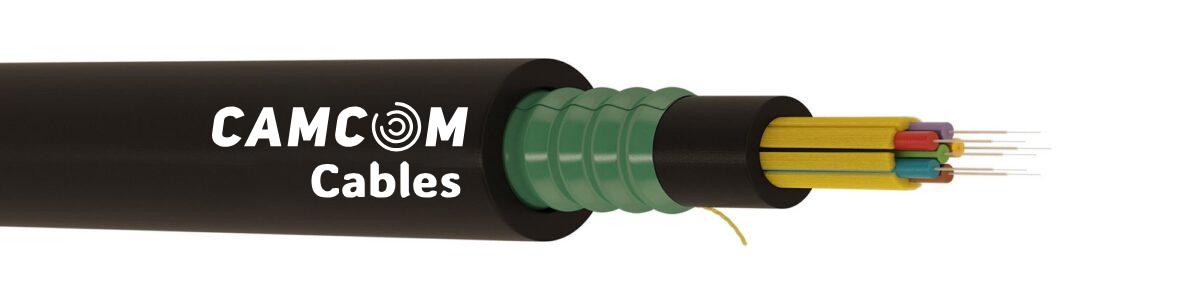
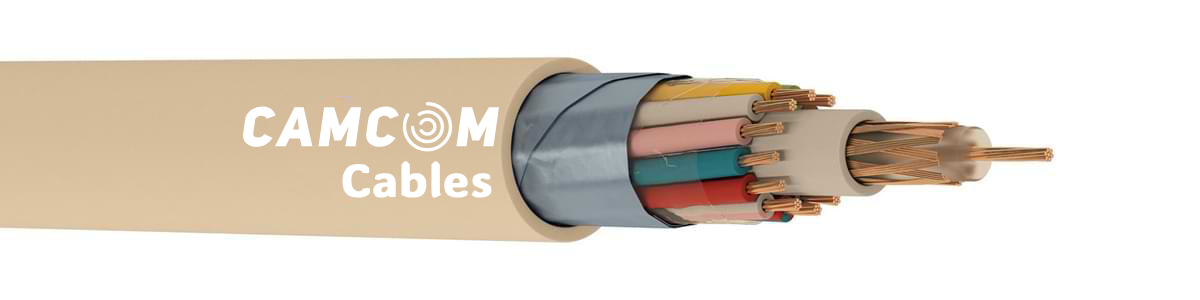
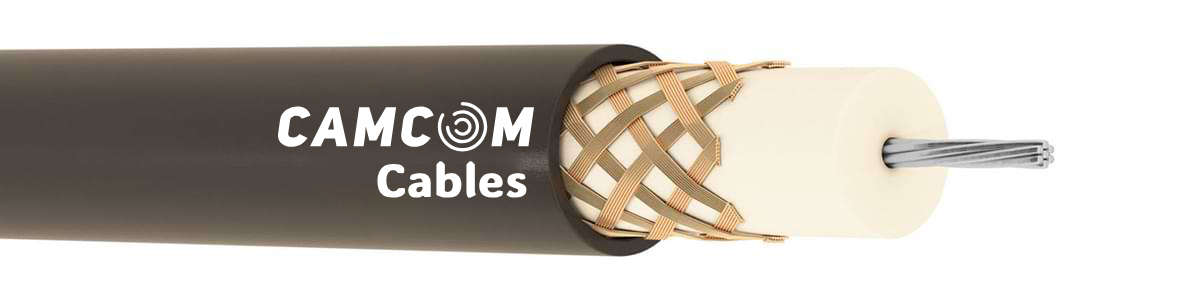
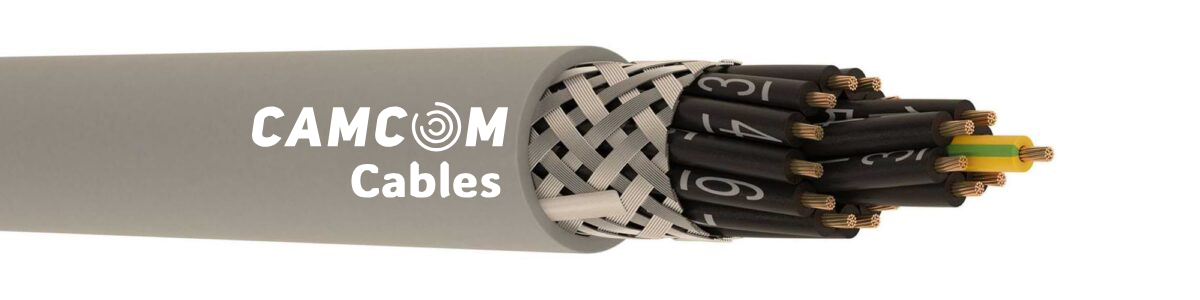
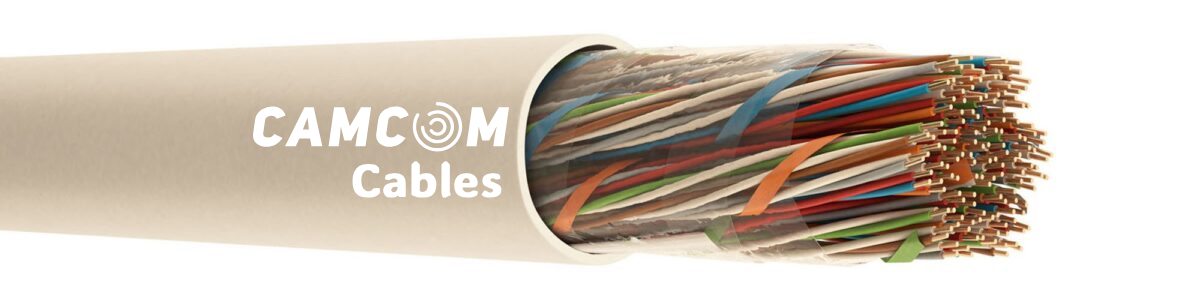
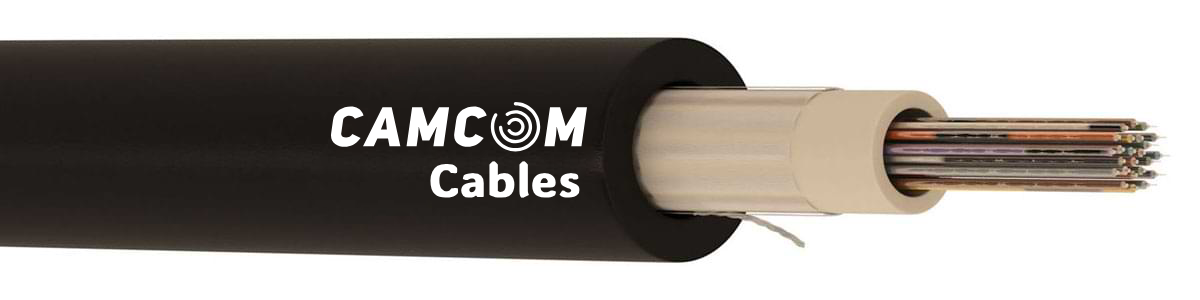
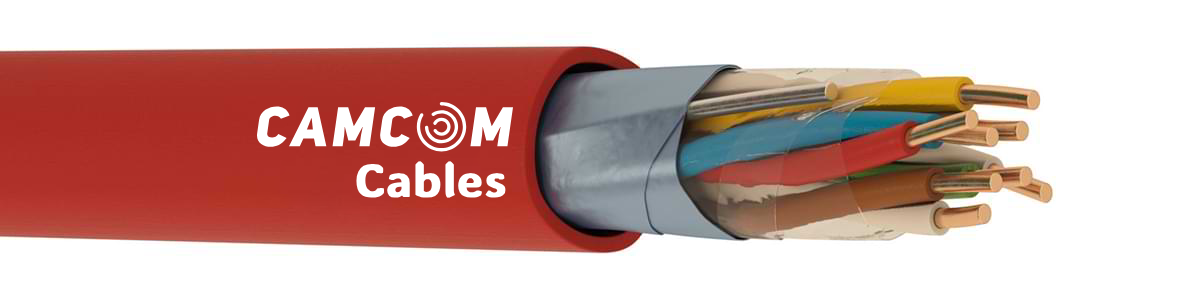
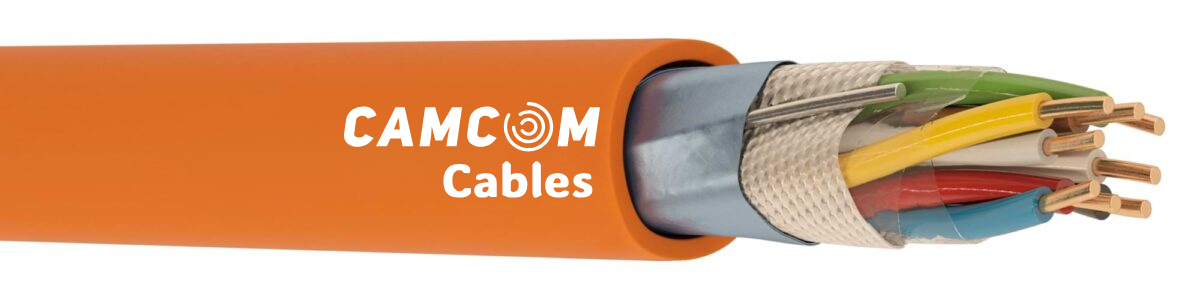
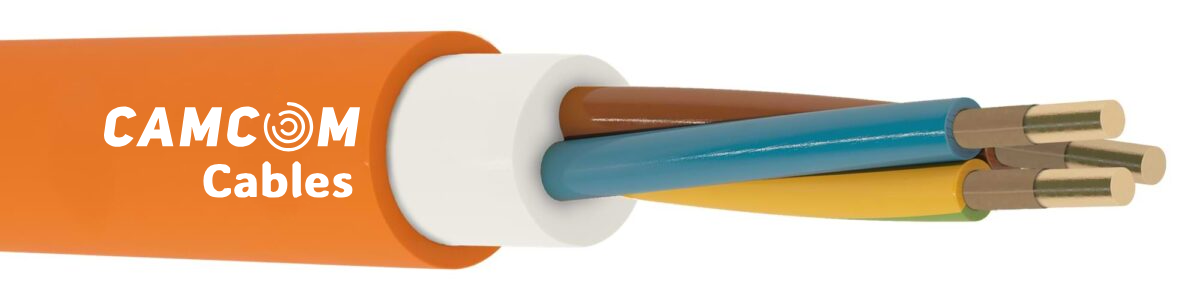
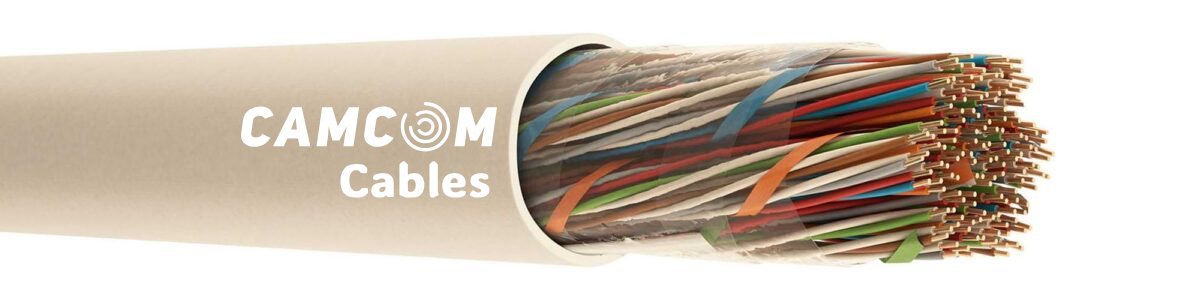
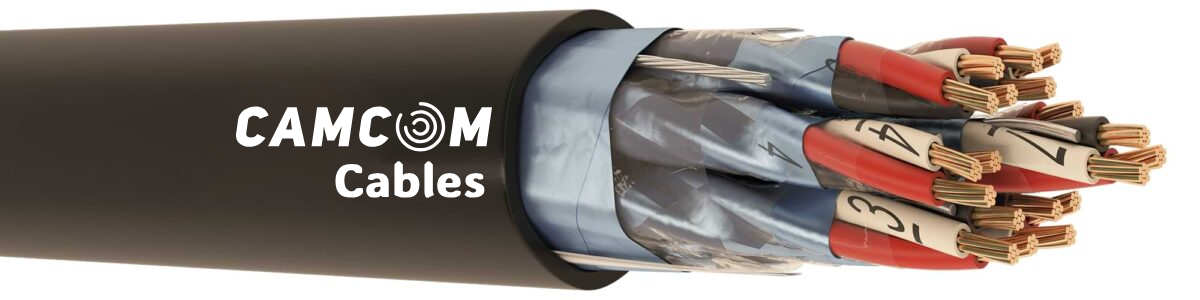
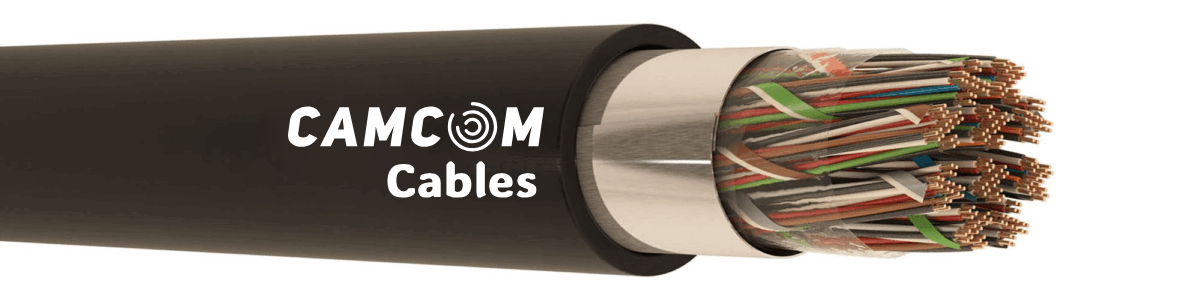
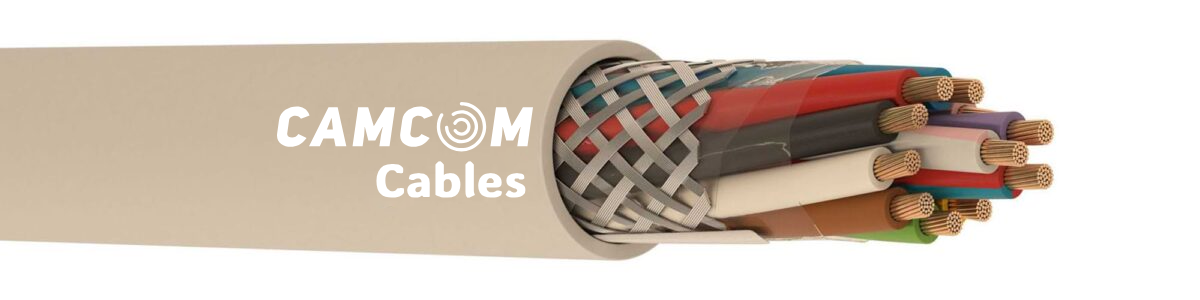
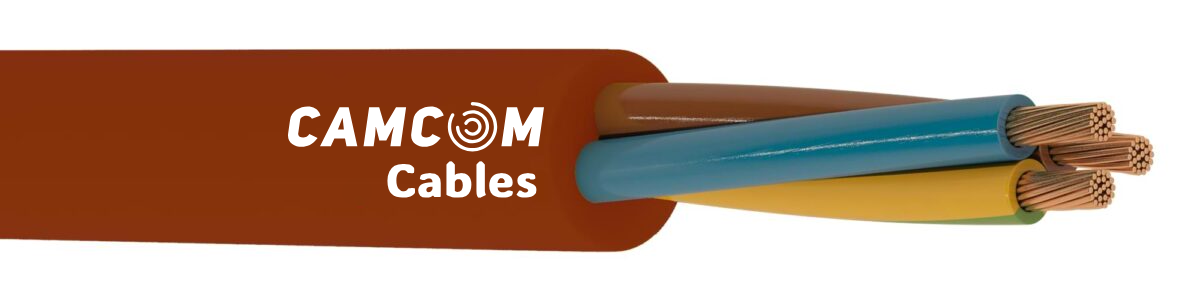

PVC Signal Control Cables
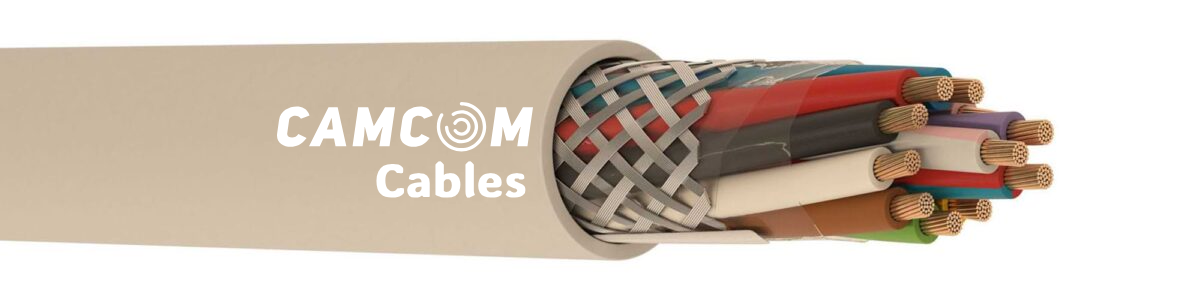
PVC Signal & Control Cables — Built for Reliable Industrial Automation
Camcom Signaling Innovation
PVC signal and control cables may not be the first thing you notice in an industrial setup, but they’re absolutely the backbone of communication inside modern automated systems. These cables make sure signals move smoothly between sensors, PLCs, actuators, and control units — keeping equipment running accurately and safely.
At Camcom Signaling Innovation, our PVC signal control cables are built for long-term stability, flexibility, and clean transmission of both analog and digital signals. Whether installed in fixed wiring or flexible routing paths, they’re designed to hold up even when electrical noise or mechanical stress become a challenge.
How They’re Built
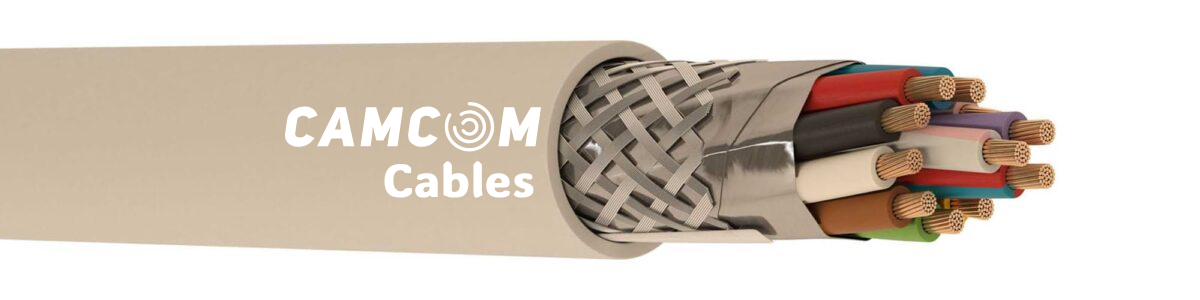
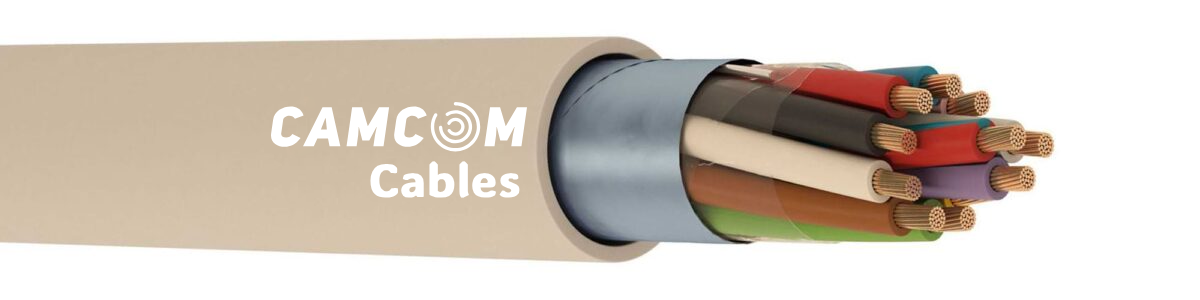
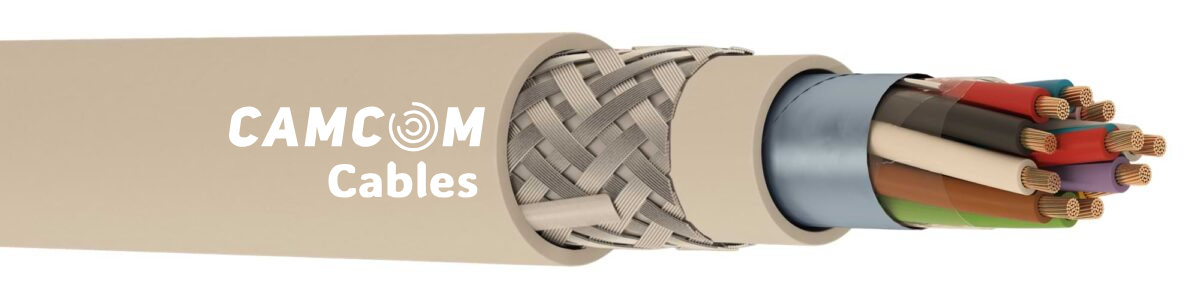
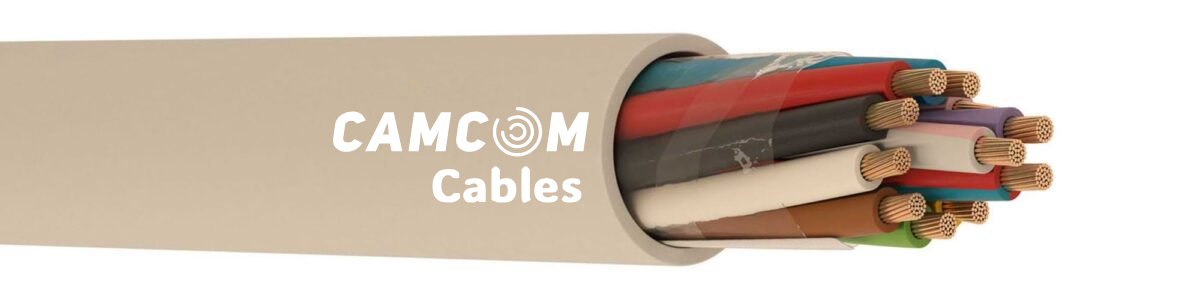
These cables use fine-stranded bare copper conductors, which makes installation easier — especially in tight control panels or machinery where flexibility matters.
Each core is insulated with high-quality PVC, giving the cable:
- Good electrical performance
- Mechanical strength
- Resistance to abrasion and oil splashes
Depending on the project, cores can be color-coded or number-marked, all wrapped in a durable PVC outer jacket designed to handle everyday industrial conditions.
Shielded vs. Unshielded — What’s the Difference?
To make things simple:
| Type | Best For | Notes |
| Unshielded (LIYY) | Areas with low electromagnetic interference | Most cost-effective option |
| Shielded (LIYCY) | Systems with drives, HVAC motors, or control panels | Aluminum-polyester foil or tinned copper braid protects against noise |
So, if your installation runs near frequency converters, servo drives, or high-power circuits — the shielded version is your safer bet.
Standards, Sizes & Safety
All Camcom PVC signal control cables meet standards such as VDE 0245, VDE 0812, and IEC 60228 — meaning they’re tested and approved for industrial use.
Additional options include:
- LSZH (halogen-free) versions for spaces where fire safety is critical
- Sizes from 0.22 mm² up to 16 mm²
- Multi-core options up to 50 cores for complex systems
Basically — if you need a simple 2-core cable or a cable bundle carrying dozens of signals, there’s a matching configuration.
Where These Cables Are Commonly Used
You’ll find PVC signal control cables across a wide range of automation and infrastructure setups, including:
- Process control and industrial automation
- Conveyor systems, packaging lines, and factory machinery
- Building automation and HVAC control networks
- Transportation systems and infrastructure monitoring
Anywhere reliable communication and quick signal response matter, these cables fit right in.
Quality and Reliability Testing
Every cable goes through a strict testing process that includes:
- Insulation and dielectric strength checks
- Dimensional and core accuracy verification
- Capacitance testing for signal stability
- Shield continuity checks (for shielded types)
So you’re not just getting a cable — you’re getting a consistently tested and verified product.
Why Engineers Choose Camcom PVC Control Cables
Over the years, Camcom has built a strong reputation across more than 120 countries, working with:
- OEMs
- System integrators
- Automation contractors
- Panel builders
Our PVC signal control cables offer a balanced mix of:
✔ mechanical durability
✔ signal stability
✔ cost efficiency
✔ and installation-friendly flexibility
That’s why they’re trusted in automation projects of all sizes — from small machine builds to large industrial plants.
Frequently Asked Questions
What are PVC cables used for?
PVC cables are commonly used for signal and control wiring in indoor or light-industrial applications because they’re flexible, flame-retardant, and cost-effective.
PVC vs XLPE — which is better?
- XLPE handles higher temperatures and power loads.
- PVC is more flexible and economical for signal and control use.
The right choice depends on temperature, environment, and load.
Are PVC cables safe?
Yes — as long as they’re properly installed. For buildings with strict fire regulations, LSZH versions provide improved safety.
Are there any drawbacks?
PVC can release smoke and corrosive halogens in fire and has lower heat tolerance than some advanced insulations. Outdoors, UV-stabilized or halogen-free versions are recommended.


