 +31708910864
 sales@camcom.co.nl

 Management's Insight
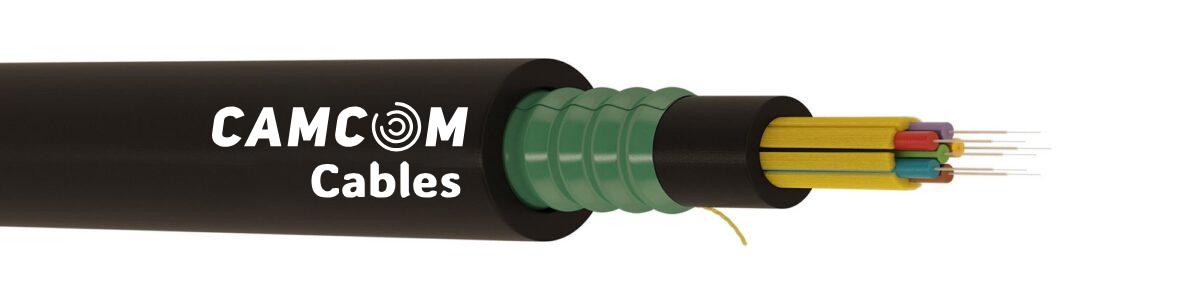
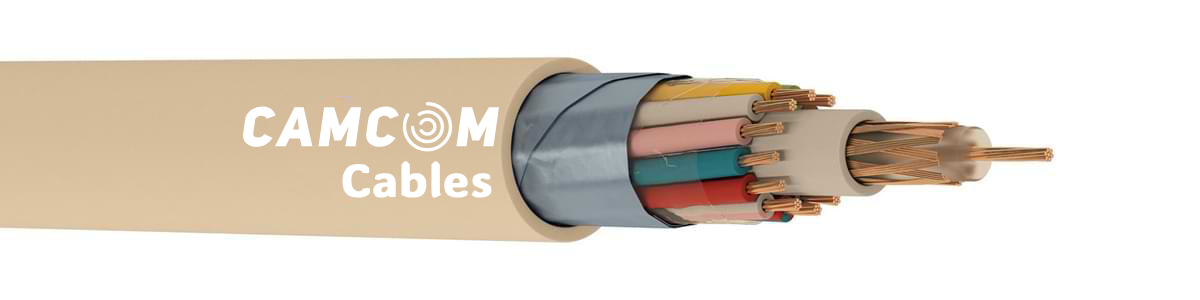
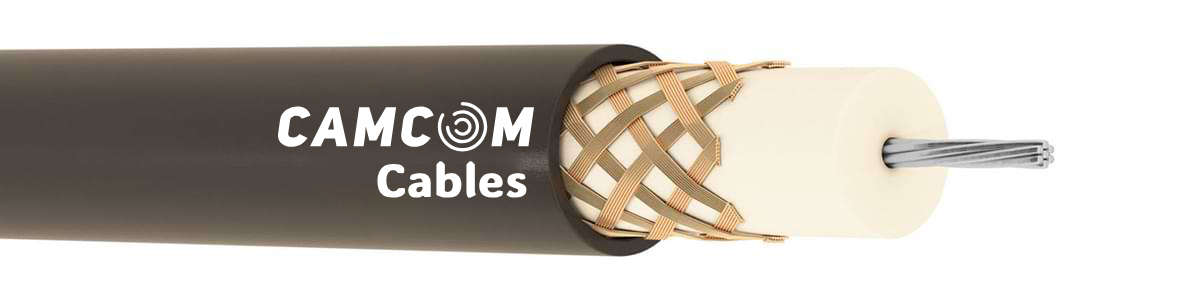
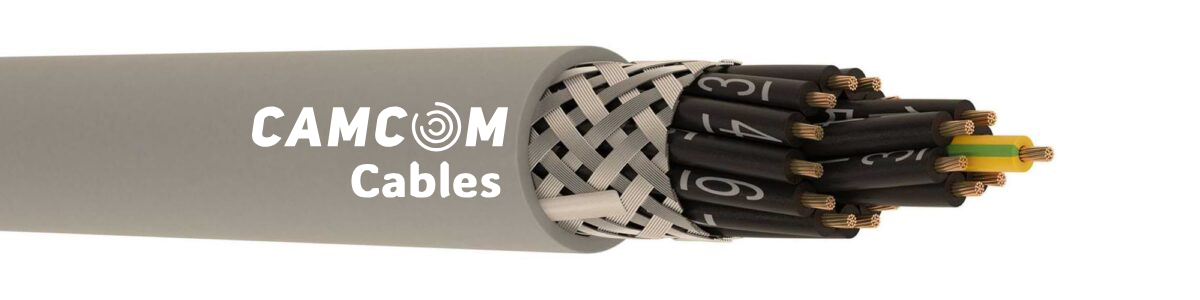
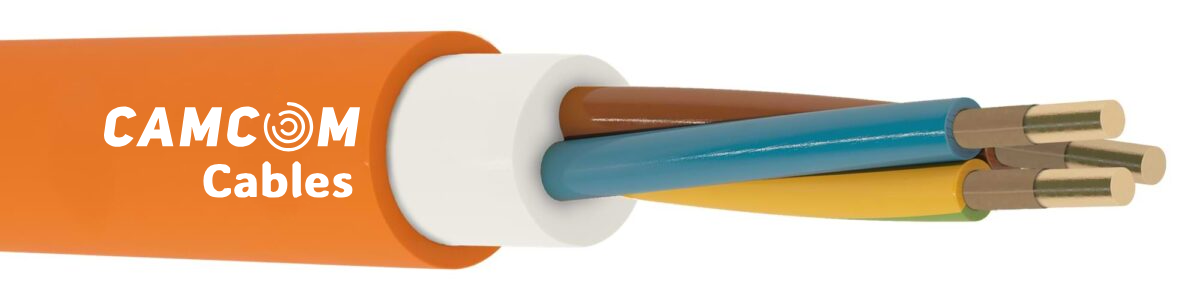
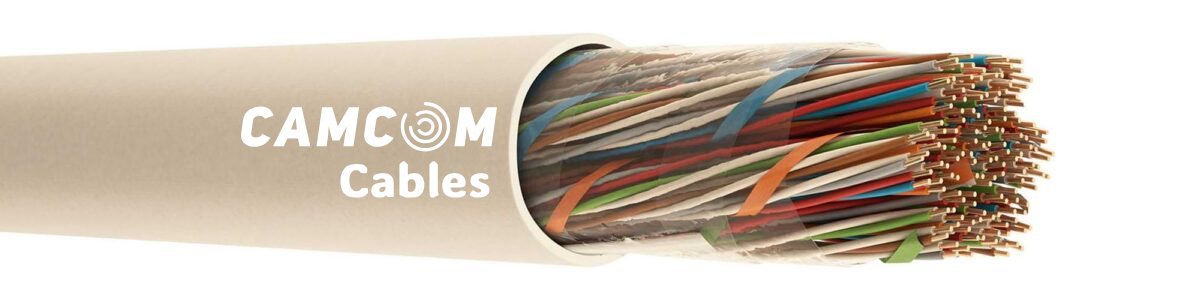
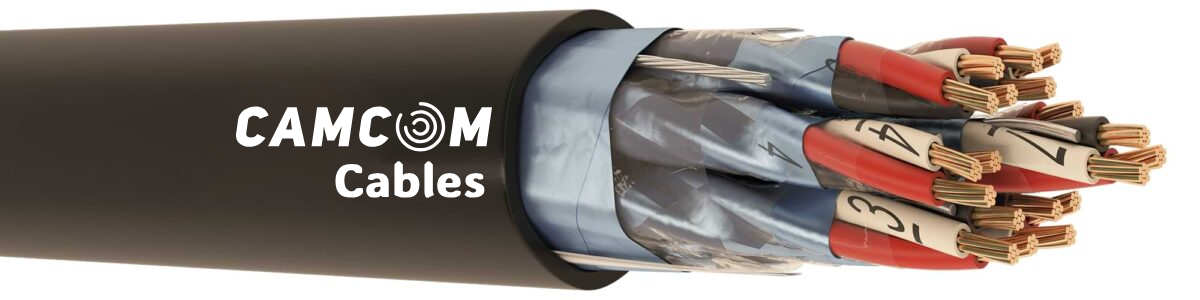
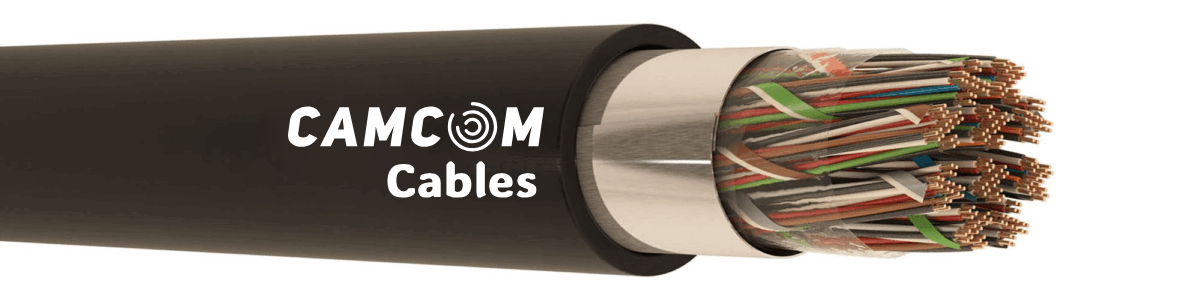
Control Cables
-
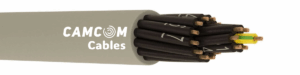
HSLH-JZ Control Cable
-
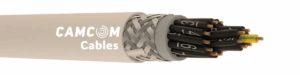
HSLHCH-JZ 0.45/0.75kV Control Cable
-
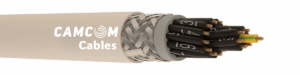
HSLHCH-JZ Control Cable
-
Loudspeaker
-
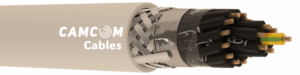
YSL(St)CY-JZ Control Cable
-
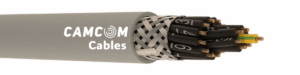
YSLCY-JZ 0.45/0.75kV Control Cable
-
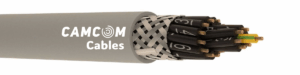
YSLCY-JZ Control Cable
-
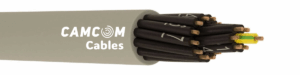
YSLY-JZ 0.45/0.75kV Control Cable
-
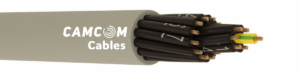
YSLY-JZ Control Cable
Control Cables | Reliable Signal Transmission for Industrial Automation
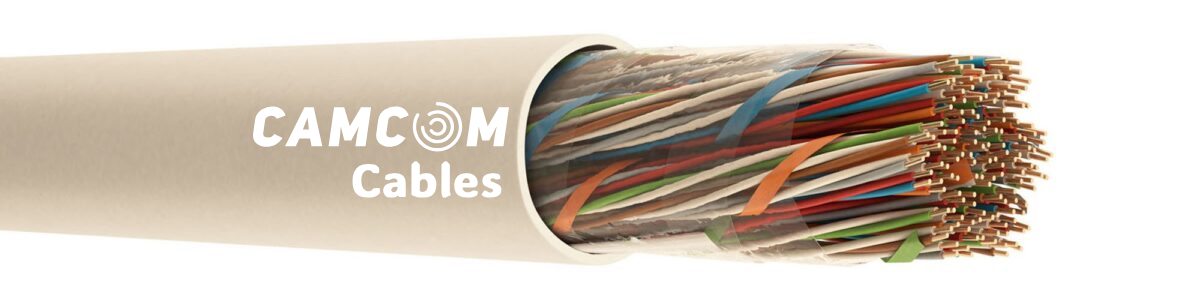
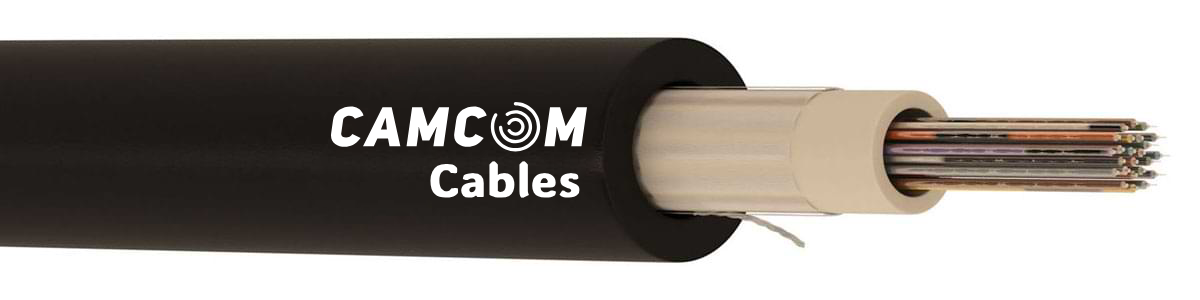
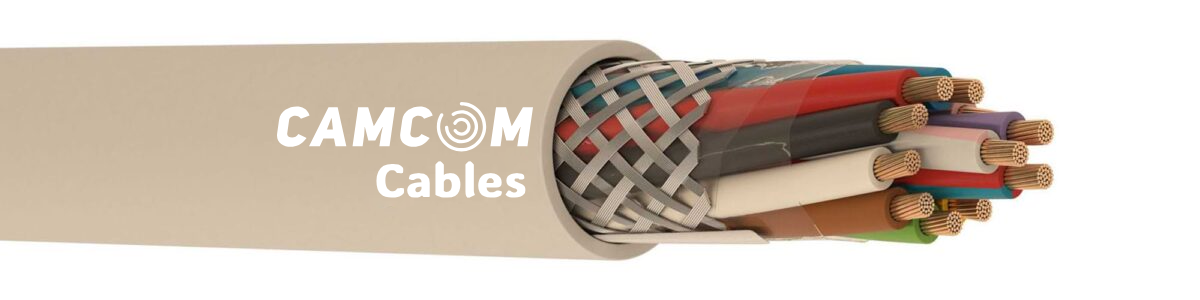
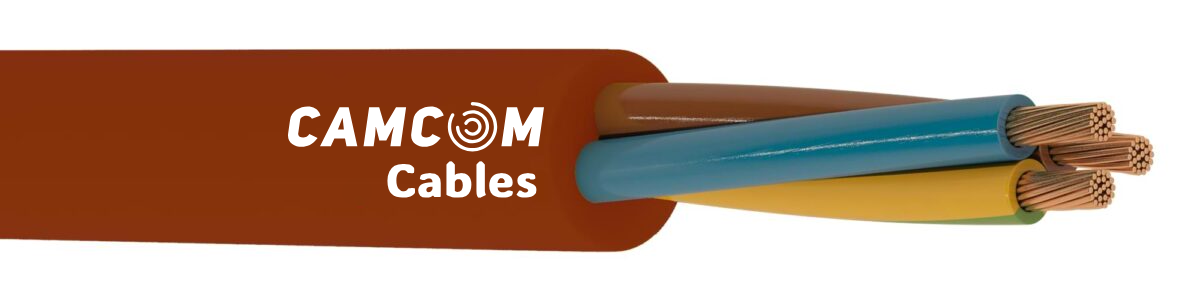
In industrial and commercial automation, control cables are the unsung heroes. They carry control signals and low-voltage power between machinery, sensors, actuators, and central control panels, ensuring smooth communication and precise operation.
At CamCom – Signaling Innovation, we offer a versatile portfolio of control cables designed to handle everything from routine factory automation to demanding industrial environments—whether it’s fixed installations or dynamic setups that face mechanical stress, electromagnetic interference (EMI), or chemical exposure.
How CamCom Control Cables Are Built
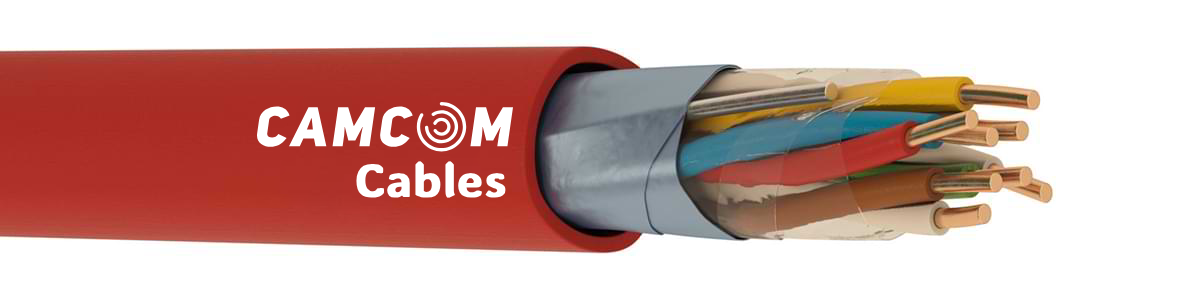
Our cables are engineered for mechanical toughness, electrical stability, and global compliance. Key features include:
Conductors:
• Made of plain annealed copper, typically class 5 flexible strands for smooth movement in automated machinery.
• Sizes range from 0.5 mm² to 16 mm² (or larger), with 2 to 50 cores or more depending on your project.
Insulation options:
• PVC (Polyvinyl Chloride): Standard environments, flexible and cost-effective.
• Halogen-free thermoplastic (HFFR/LSZH): Low smoke, reduced toxicity, ideal for sensitive areas.
Each conductor is color-coded according to DIN 47100 or numbered, with green-yellow protective earth where needed.
Outer sheath options:
• PVC (YSLY, YSLYCY): Flexible, flame-retardant, ideal for dry or damp indoor use.
• Halogen-Free (HSLH, HSLH-JZ): Perfect for public spaces, data centers, or areas where fire safety is a priority.
• Polyurethane sheathing: For extreme mechanical or chemical environments (custom solutions available).
Shielding for Signal Integrity
In high-EMI areas—think control cabinets next to power circuits or variable-speed drives—shielding makes all the difference. CamCom offers:
• Unscreened cables (YSLY, HSLH): For environments with minimal interference.
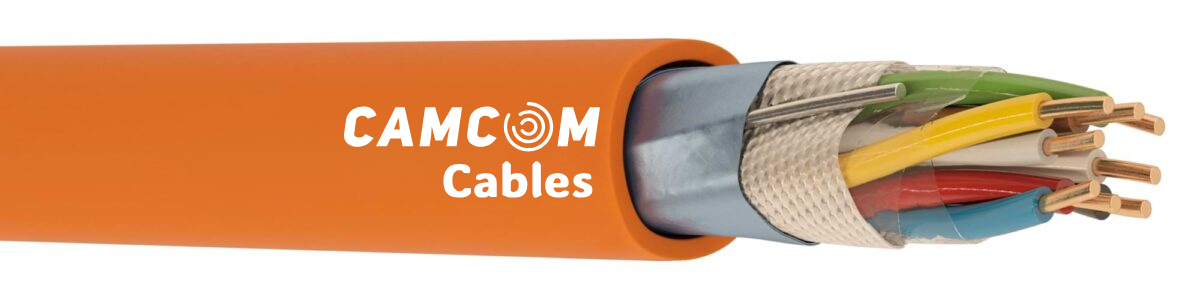
• Collectively screened cables (YSLYCY, HSLHCY): Aluminum-polyester tape with tinned copper drain wires to minimize EMI.
• Individually shielded pairs (customizable): For precision signals or analog control circuits.
Shielding ensures your signals stay accurate, feedback loops work reliably, and analog sensors transmit data without distortion.
Fire Safety and Halogen-Free Options
Safety is a big deal in industrial settings. CamCom offers:
• PVC (YSLY, YSLYCY): Flame-retardant, compliant with EN 60332-1.
• LSZH (HSLH, HSLHCY): Low smoke, non-corrosive gas emission, compliant with IEC 60332-3, IEC 61034, and IEC 60754-2.
LSZH cables are ideal for offices, airports, tunnels, rail systems, and factories—helping reduce secondary fire damage and improving visibility during emergencies.
Compliance and Certifications:
CamCom control cables meet international standards, including:
• DIN VDE 0281/0282 – Flexible PVC control cables
• EN 50525 – Harmonized low-voltage energy and control cables
• IEC 60227 / IEC 60332-1/3 – Insulation and flame performance
• TSE K 315 – Turkish standards for signal and control cables
• ISO 9001 – Full production and testing traceability
• Optional CPR classification – Euroclass fire ratings for construction projects
Choosing the Right Cable for Your Project
Here’s how different cables fit different needs:
• YSLY / YSLY-JZ: Flexible, cost-effective wiring for industrial machinery.
• YSLYCY-JZ: Screened cables for compact electrical panels to reduce signal noise.
• HSLH-JZ: Halogen-free options for public spaces, hospitals, or offices.
• Multicore cables with color-coded or numbered cores: Helps avoid wiring errors in dense cabinets.
We work closely with OEMs, distributors, and project planners to select cables based on mechanical stress, EMI exposure, fire safety requirements, and space constraints.
CamCom Control Cable Portfolio
Key offerings:
• YSLY-JZ / YSLY-OZ: Flexible, unscreened PVC control cables.
• YSLYCY-JZ / YSLYCY-OZ: Collectively shielded for EMI protection.
• HSLH-JZ / HSLHCY-JZ: Halogen-free, flame-retardant options.
Specifications:
• Cores: 2 to 50+
• Cross-sections: 0.5 mm² to 16 mm² (custom sizes on request)
• Conductors: Class 5 stranded copper
• Sheath colors: Grey (RAL 7001), black, orange, or custom
• Core identification: Number-coded or DIN color-coded with optional yellow-green PE
Extras: Custom markings, conductor combinations, and packaging (coils, reels, drums) are available. All cables undergo advanced testing to ensure compliance with datasheets and industry standards, and shipments include test reports, datasheets, and CE/DoP documentation.
Why CamCom Control Cables?
Our cables are built for automation, manufacturing, and industrial environments. From OEM machinery and BMS systems to energy, infrastructure, and industrial automation projects worldwide, CamCom provides:
• Reliability
• Durability
• Compliance with global standards
• Flexible, project-ready solutions
FAQs
What are the different types of control cables?
• YY: Unscreened, flexible cables for general signal transmission
• CY: Braided tinned copper shielding for EMI protection
• SY: Galvanized steel braid for extra mechanical protection
What is a control wire?
A conductor within a control cable that transmits low-voltage signals to manage machinery or automation systems.
What is AWG to mm²?
Different sizing standards:
• 18 AWG ≈ 0.82 mm²
• 16 AWG ≈ 1.31 mm²
• 14 AWG ≈ 2.08 mm²
• 12 AWG ≈ 3.31 mm²
Can a control cable be used as a power cable?
Not really. They’re designed for signals and low current. Limited use is possible in auxiliary circuits, but they’re not meant for high-power transmission.
Difference between signal and control cables:
• Signal cables: Transmit low-level analog or digital signals accurately.
• Control cables: Focus on reliability, mechanical endurance, and switching commands.


