 +31708910864
 sales@camcom.co.nl

 Management's Insight
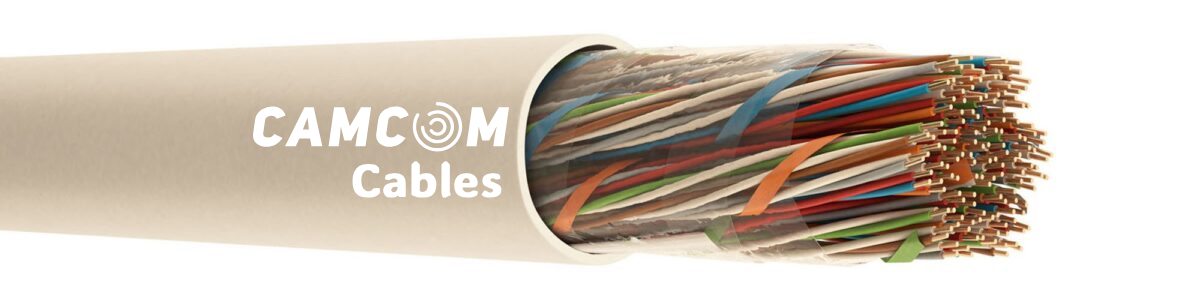
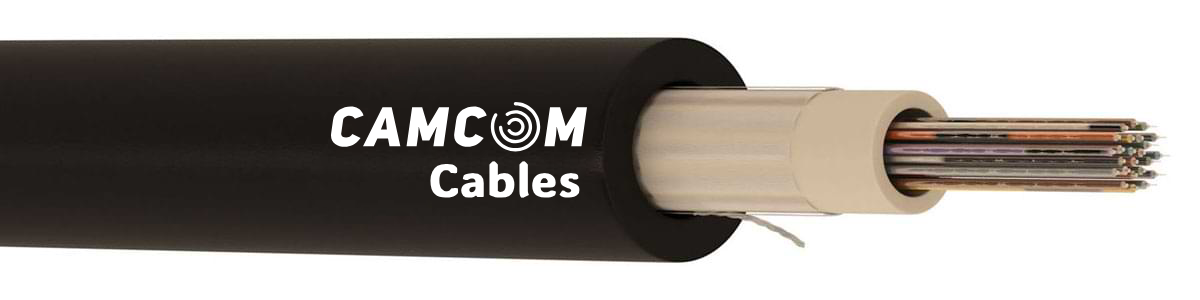
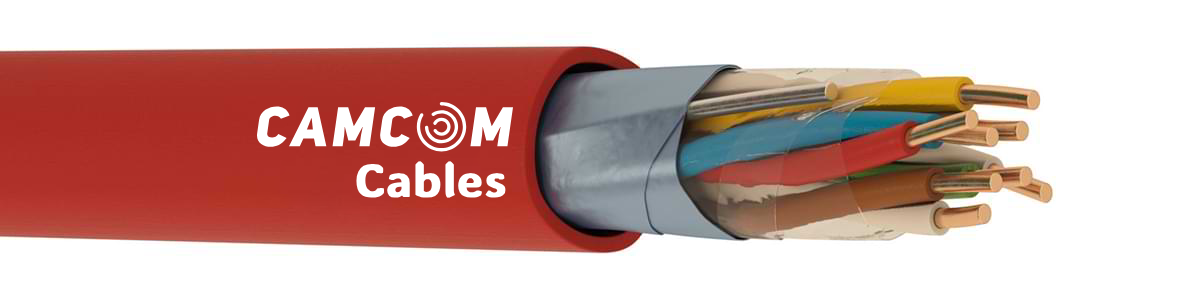
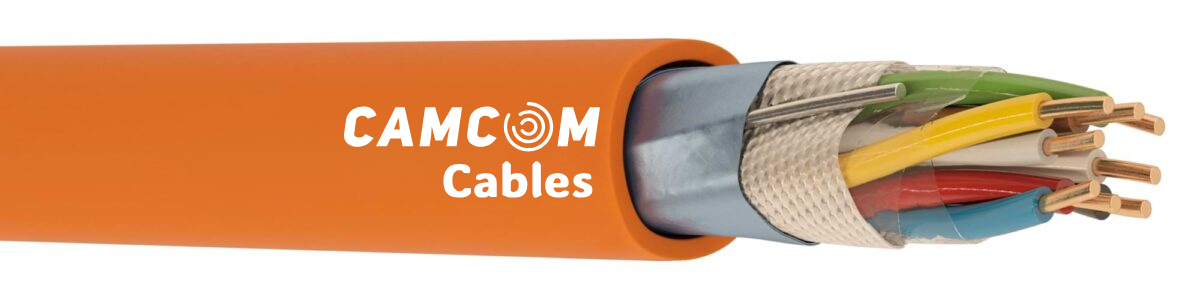
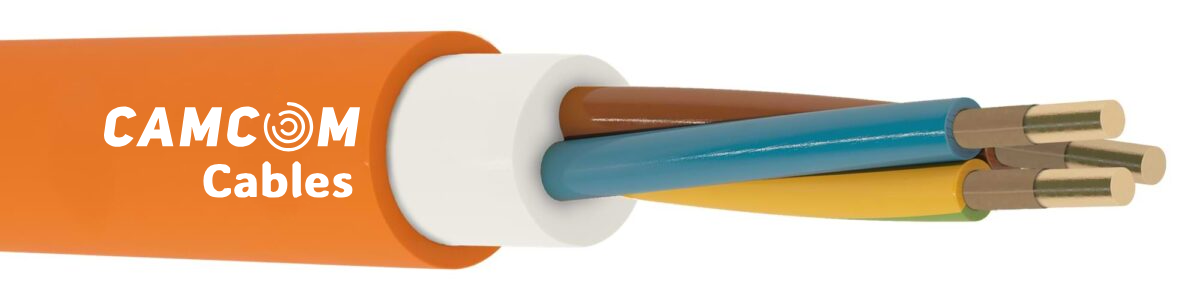
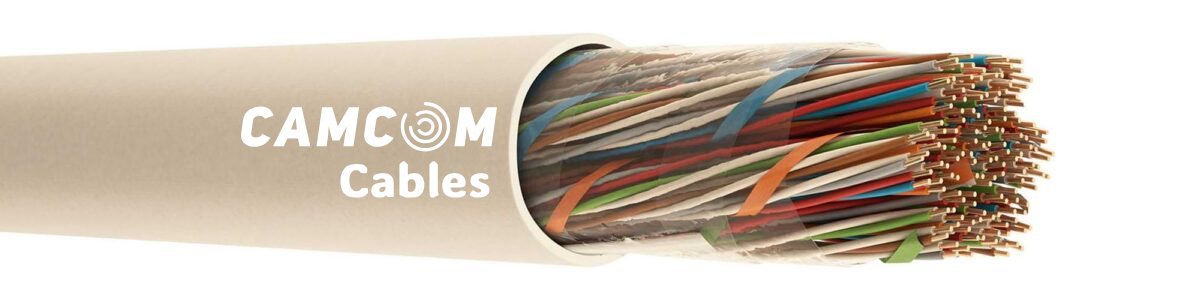
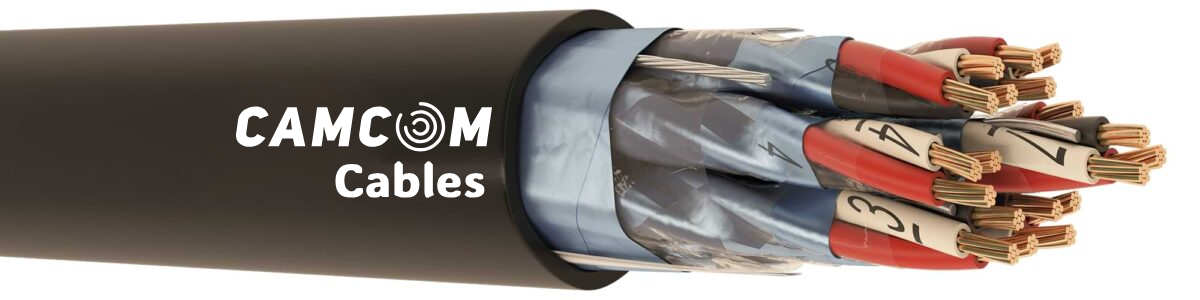
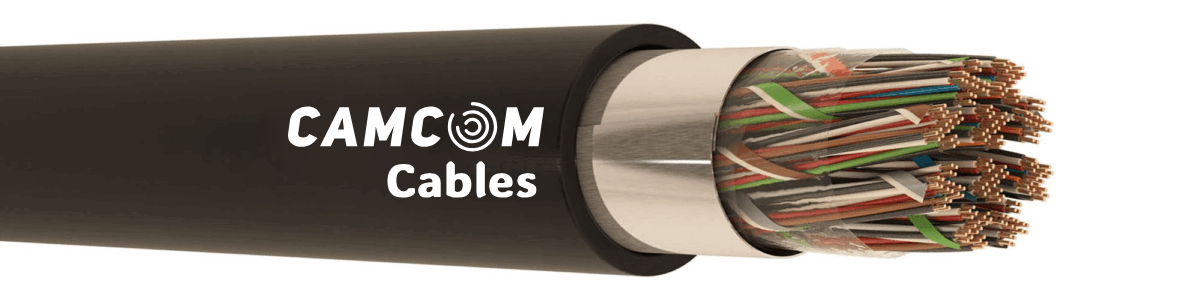
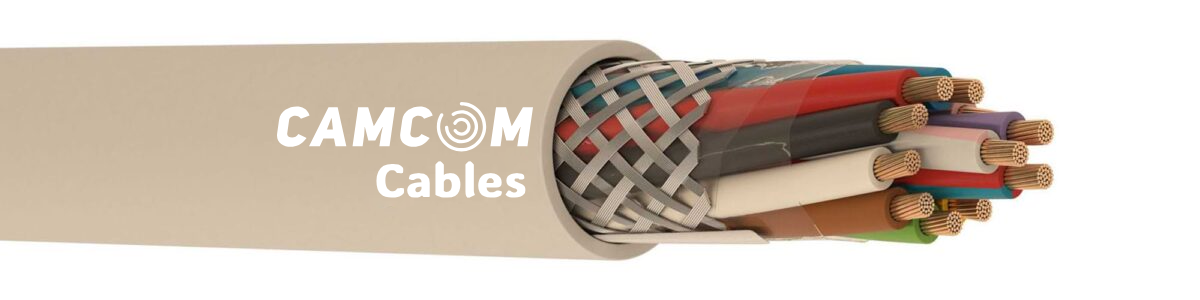

Cat 7A Data Cable
-
Cat 7A S/FTP LSOH Ethernet Cable
-
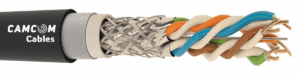
Cat 7A S/FTP LSOH SWA LSOH Ethernet Cable
-
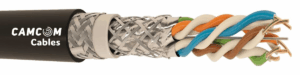
Cat 7A S/FTP LSOH SWB LSOH Ethernet Cable
-
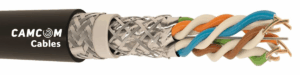
Cat 7A S/FTP LSOH SWB LSOH Ethernet Cable
-
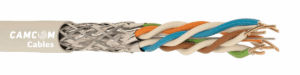
Cat 7A S/FTP PE Ethernet Cable
-
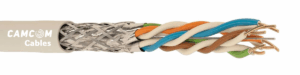
Cat 7A S/FTP PVC Ethernet Cable
CAT 7A Data Cables | High-Performance, Shielded, Future-Ready | Camcom Signaling Innovation
Camcom Signaling Innovation’s CAT 7A cables are designed for high-density, noise-sensitive networks requiring low latency, stable throughput, and robust EMI immunity. With individually shielded pairs and an overall braided shield (S/FTP), these cables deliver superior signal integrity in mission-critical environments such as data centers, hospitals, broadcasting facilities, and smart buildings.
Why Choose Camcom CAT 7A?
- High throughput: Supports 10 Gbps applications over standard channel lengths.
- Wide bandwidth headroom: Class FA performance up to 1000 MHz (ISO/IEC 11801); enhanced designs may allow higher verified frequencies.
- Superior shielding: S/FTP (foil per pair + overall braid) minimizes alien crosstalk and external interference.
- Safer materials: LSZH (Low Smoke Zero Halogen) jacket reduces smoke and toxic gas emissions.
- CPR compliance: Available in B2ca and Cca Euroclasses (s/d/a sub-classes per project requirements).
- Consistent quality: Manufactured and tested to ISO/IEC 11801, EN 50173, and aligned with TIA/EIA installation practices.
Structure & Materials
- Conductor: Solid bare copper.
- Insulation: High-performance PE/foam-skin variants (design-dependent).
- Shielding: S/FTP (foil per pair; overall braid) for maximum EMI protection.
- Jacket: LSZH for indoor/building use; PE or UV-resistant jackets available on request.
- Drain & foil: Tinned copper drain wire with Al-polyester foil per pair (design-dependent).
Standards & Compliance
- Performance: ISO/IEC 11801 Class FA; EN 50173.
- Fire & safety: CPR (EN 50575) B2ca/Cca options; LSZH compounds for low smoke and halogen-free installations.
- Installation practice: Compliant with TIA/EIA-568 guidelines for terminations and channel topology.
Applications
- Data centers: Top-of-rack or end-of-row high-density LAN links.
- Healthcare & labs: EMI-sensitive environments requiring uninterrupted operation.
- Broadcast & media: Low-noise, high-stability AV over IP distribution.
- Commercial & smart buildings: Backbone and horizontal cabling with high shielding.
- Industrial networks: Environments with motors, drives, or elevated EMI.
Product Range & Options
- Shielding: S/FTP standard for CAT 7A.
- Jacket: LSZH indoor; specialized jackets (PE/UV-resistant) available.
- CPR classes: B2ca, Cca (s/d/a sub-class options).
- Colors & lengths: Standard colors; 500 m drums; custom cuts available.
Installation Notes
- Maintain minimum bend radius and pull tension ratings.
- Preserve pair twist integrity up to termination; use shielded connectors and bonding per design.
- Follow certified channel design and field testing for guaranteed 10G performance.
FAQ’s
What is the difference between Cat7 and Cat7A?
Cat7 (ISO/IEC Class F) supports 600 MHz bandwidth, while Cat7A (Class FA) extends to 1000 MHz. Both feature S/FTP shielding (foil per pair + overall braid), but Cat7A offers tighter alien crosstalk limits and higher electrical headroom for high-density or EMI-heavy environments.
What is Cat7 cable used for?
Cat7 cables are ideal for data centers, commercial buildings, broadcast/AV systems, and industrial networks requiring low interference, stable latency, and strong screening. They support 10 GbE transmission with superior EMI protection.
How fast is a Cat7A Ethernet cable?
Cat7A supports 10 Gbps over 100 m channels with 1000 MHz bandwidth. For higher-speed applications (25/40 GbE), Cat8 is recommended for shorter runs (~30 m).
Is Cat7 faster than Cat6?
Yes. Cat6 supports 1 Gbps over 100 m and 10 Gbps up to ~55 m. Cat7 delivers 10 Gbps across the full 100 m with 600 MHz bandwidth and enhanced shielding. For most 10 GbE deployments, Cat6A or Cat7 are optimal.


