 +31708910864
 sales@camcom.co.nl

 Management's Insight
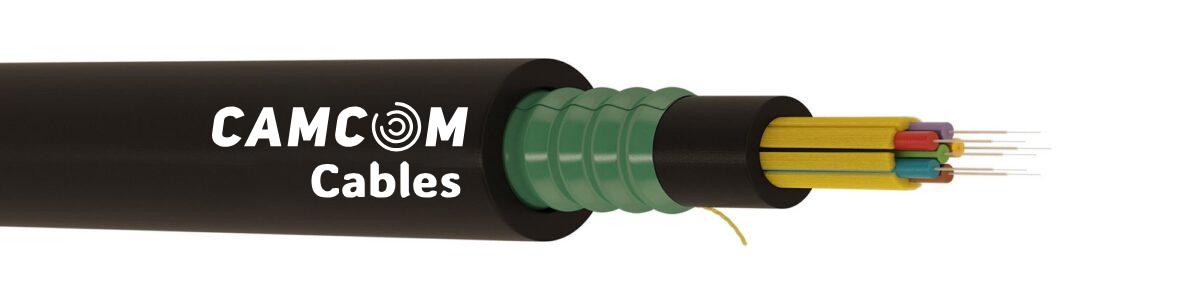

Drop FTTH Fiber Optic Cable
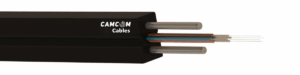
Drop FTTH Fiber Optic Cables | Seamless Last-Mile Connectivity
Camcom’s Drop FTTH Fiber Optic Cables are designed to bring fast, stable, and cost-effective fiber connectivity right to homes, businesses, and multi-dwelling units. Whether it’s a new residential neighborhood, a commercial building, or a smart city project, these cables deliver reliable gigabit-speed performance while standing up to the wear and tear of everyday use.
Built for Real-World Installations
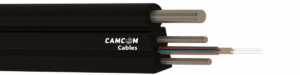
Our FTTH drop cables come in flat, round, and figure-8 designs, so they fit any installation scenario—whether it’s running along indoor walls, through conduits, or stretched outdoors along poles.
The cables use G.657A1 or G.657A2 bend-insensitive fibers, meaning they perform exceptionally well even around tight corners or confined spaces. This makes them perfect for conduits, wall boxes, or home distribution points, without compromising signal quality.
To make installation smoother, the cables include strength members like dielectric FRP rods or galvanized steel wires. This gives stability during pulling and handling, while the lightweight, flexible sheath makes it easier to maneuver in narrow spaces or crowded urban environments.
Durable, Fire-Safe Materials
Camcom FTTH drop cables come in three main sheath types to suit different installation conditions:
• LSZH (Low Smoke Zero Halogen): Great for indoor spaces where fire safety is key. Produces very little smoke, contains no halogens, and fully meets modern building codes.
• PVC: Flexible, easy to handle, and cost-effective for indoor applications.
• PE (Polyethylene): Made for outdoor use—UV-resistant, moisture-proof, and tough against abrasion, perfect for aerial or direct-to-home drops.
No matter the environment, these materials ensure long-lasting performance with minimal maintenance.
Standards and Testing
All Camcom FTTH Drop Cables meet strict international standards:
• IEC 60794 – Optical cable construction and testing
• ITU-T G.657 – Bend-insensitive fiber specifications
• CPR building safety classifications
We also test every cable for tensile strength, bending, and thermal performance, so you know it will hold up under real-world conditions.
Where They’re Used
These drop cables work anywhere last-mile fiber connectivity is needed:
• FTTH (Fiber to the Home): Direct fiber connection to homes
• FTTB (Fiber to the Building): Backbones for multi-dwelling or commercial buildings
• FTTO (Fiber to the Office): Reliable enterprise cabling
• Smart City Applications: Supporting IoT devices, CCTV, sensors, and automation systems
• Indoor Pathways: Ideal for risers, conduits, ducts, or wall-mounted runs
Why Camcom FTTH Drop Cables Shine
• Bend-insensitive G.657A2 fibers for smooth optical performance
• Lightweight and compact for quick indoor or outdoor deployment
• Compatible with fast connectors and pre-terminated solutions
• CPR-compliant, making them safe for interior installations
• Available in flat, round, and figure-8 configurations to suit any setup
Last-Mile Connectivity You Can Count On
Camcom FTTH Drop Cables provide stable, high-speed broadband from the distribution point all the way to the end user. Whether it’s a high-rise apartment, suburban home, or smart city network, these cables ensure:
• Consistent quality
• Future-ready bandwidth
• Long-term durability
Basically, they make sure your network works flawlessly, today and tomorrow.
FAQs
Is FTTH the same as fiber?
Not exactly. Fiber is the medium itself; FTTH (Fiber to the Home) is a deployment model that brings that fiber directly to the customer’s door.
What’s the difference between FTTH and FTTP?
FTTH goes straight to homes, while FTTP covers both homes and businesses within a building or campus.
What about FTTH vs. Wi-Fi?
FTTH gives a wired high-speed connection to the premises. Wi-Fi just spreads that connection wirelessly inside the home or office.
What’s the difference between FTTH and Air Fiber?
FTTH uses optical fiber for maximum stability and bandwidth. Air Fiber is wireless it’s faster to set up, but can be affected by obstacles, weather, and line-of-sight issues.
Is FTTH better than 5G?
For fixed locations, FTTH usually delivers higher, more stable speeds with lower latency. 5G is great for mobile or shared wireless access but depends on network load and coverage.
Camcom FTTH Drop Cables are all about reliability, performance, and peace of mind for every last-mile fiber network.


