 +31708910864
 sales@camcom.co.nl

 Management's Insight
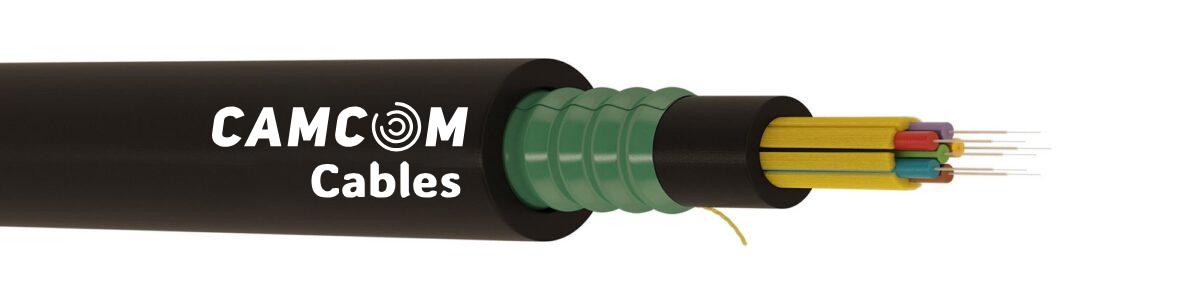
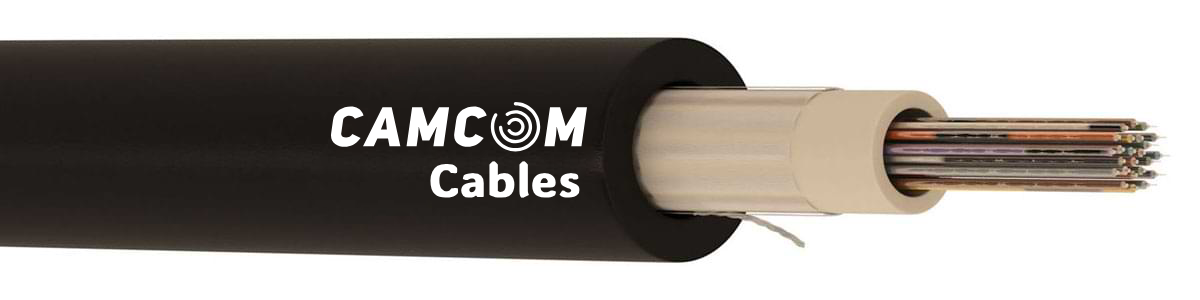
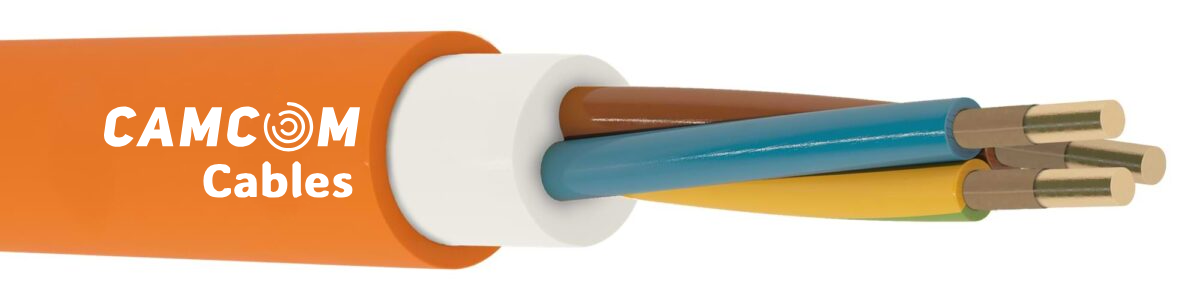
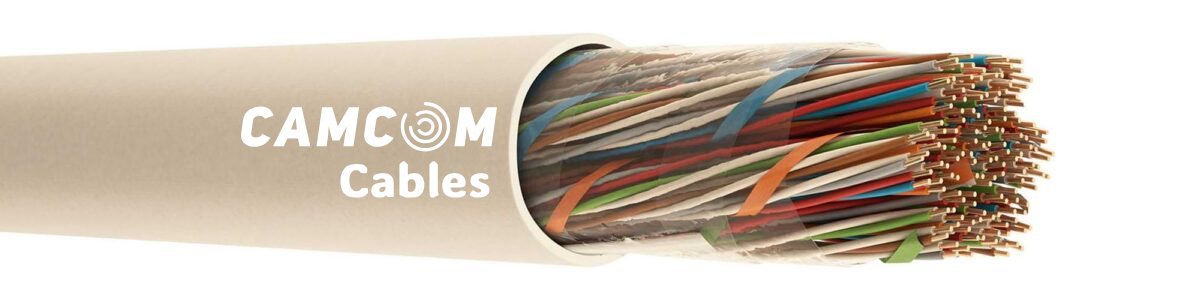
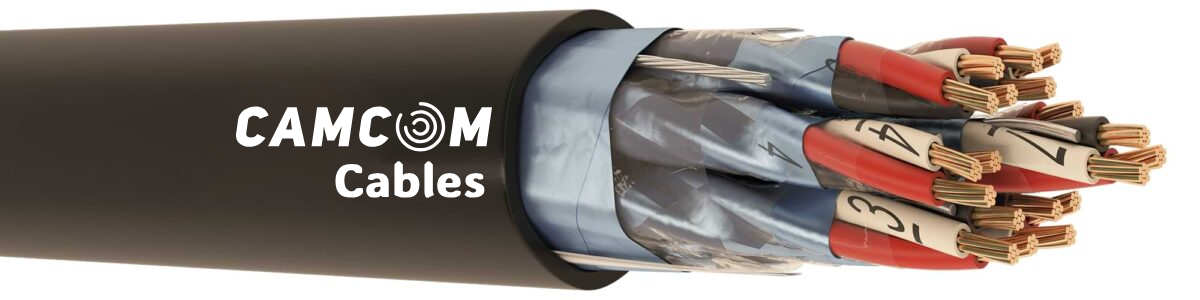
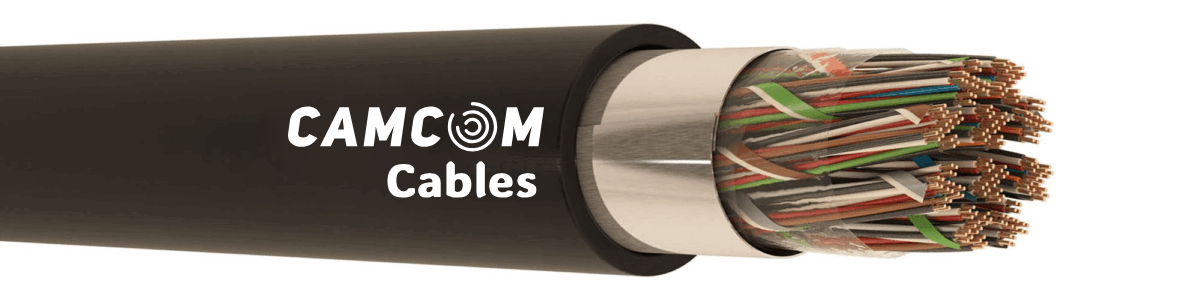

Indoor Fiber Optic Cable
-
A-V(ZN)H(SR)2Y Fiber Optic Cable
-
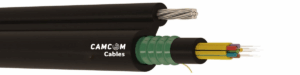
A-V(ZN)H(SR)T2Y Fiber Optic Cable
-

J-V(ZN)H Fiber Optic Cable
-
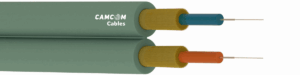
J-V(ZN)H Fiber Optic Cable
-
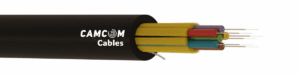
J-V(ZN)H Fiber Optic Cable
Indoor/Outdoor Fiber Optic Cables — One Solution for Any Environment
Camcom
When it comes to modern networks, reliability and flexibility matter. That’s why Camcom’s Indoor/Outdoor Fiber Optic Cables are designed to perform flawlessly whether they’re running inside a controlled building environment or installed outdoors where temperatures, weather, and physical stress are unpredictable.
So, whether you’re building a data center backbone, deploying FTTH, expanding an enterprise network, or upgrading telecom infrastructure — this single cable solution keeps performance consistent end to end.
________________________________________
Built for Both Worlds
Instead of using separate indoor and outdoor cables (and dealing with extra joints, time, and cost), our hybrid design lets installers run one continuous cable through ducts, trays, risers, and conduits.
Less splicing.
Less complexity.
More reliability.
________________________________________
Fiber Types & Available Formats
We offer a full spectrum of fiber configurations depending on bandwidth and distance requirements:
Fiber Type Standard Best For
Single Mode (SM) G.652D / G.657A1 / G.657A2 Long-distance telecom, FTTH backbones, metro networks
Multi-Mode (MM) OM1 / OM2 / OM3 / OM4 / OM5 Data centers, enterprise LANs, short-to-medium-range high-speed links
These cables are available in single loose tube and multi-loose tube formats, supporting anywhere from 2 fibers up to 144 fibers and beyond — scalable for small buildings or large national networks.
________________________________________
Engineered for Durability
Because these cables may live outdoors, move indoors, and pass through harsh or protected environments, every layer serves a purpose:
• Jacket options: UV-stable LSZH or PE
• Strength elements: Dielectric FRP or metallic rods for rodent resistance and pull strength
• Temperature range: –40°C to +85°C
• Installation methods: Suitable for ducts, trays, risers, wall runs, and structured cabling paths
This combination ensures low attenuation, mechanical strength, and long service life in any routing environment.
________________________________________
Built to Meet Global Standards
Every Camcom cable is tested, certified, and produced according to major international compliance requirements, including:
• IEC 60794 — Optical cable testing
• IEC 60332-1 / 60332-3 — Flame performance
• IEC 61034 / IEC 60754 — Low-smoke, halogen-free compliance
• CPR EN 50575 (B2ca / Cca ratings available)
• ISO/IEC 11801 — Structured cabling compatibility
So no matter where it’s installed, it fits seamlessly into regulated projects and global network builds.
________________________________________
Where These Cables Make the Difference
• FTTH / FTTB / FTTX rollouts
• ISP access networks
• Data centers and backbone infrastructure
• Hospitals, campuses, and smart buildings
• Industrial automation and security networks
• Commercial and enterprise environments
The key benefit? A single cable solution that adapts to both indoor and outdoor spaces without sacrificing performance or safety.
________________________________________
Why Camcom Fiber?
Camcom combines technical expertise, precision manufacturing, and strict material testing to ensure every cable delivers:
✔ high bandwidth
✔ low signal loss
✔ long service life
✔ installation efficiency
It’s fiber designed for today’s networks — and ready for tomorrow’s speeds.
Camcom — One cable. Dual purpose. Seamless connectivity from rack rooms to outdoor routes.
________________________________________
Frequently Asked Questions
What’s the difference between indoor and outdoor fiber?
Indoor cables prioritize flame safety, while outdoor versions focus on UV, moisture, and temperature protection. Hybrid indoor/outdoor cables meet both requirements.
Can indoor/outdoor fiber go directly inside a building?
Yes — hybrid designs like Camcom’s are certified for both environments, so no splice transition is required.
Is outdoor fiber waterproof?
Outdoor and hybrid cables use gel, dry water-blocking yarns, or swellable tapes to block moisture.
Which is better: OM3 or OM4?
OM4 supports longer distances and higher bandwidth, especially for data centers and backbone routes.
Which cable is recommended for underground burial?
Armored fiber such as CST or STA loose-tube designs are ideal for buried pathways due to crush and rodent resistance.
What type is best for duct installation?
Loose-tube fiber — either single-tube or multi-tube — is typically preferred for outdoor duct and conduit applications.


