 +31708910864
 sales@camcom.co.nl

 Management's Insight

Indoor Telephone Cables
Indoor Telephone Cables | Reliable Voice & Signal Communication | Camcom
When it comes to indoor communication, reliability and clarity are key. Camcom’s Indoor Telephone Cables are built to provide dependable low-voltage communication, signaling, and control across commercial, industrial, and institutional spaces.
Whether it’s structured communication systems, intercom networks, alarms, or building automation, our cables form the backbone of your operations—ensuring stable voice transmission, long-term flexibility, and safe, consistent performance.
________________________________________
Built for Excellence
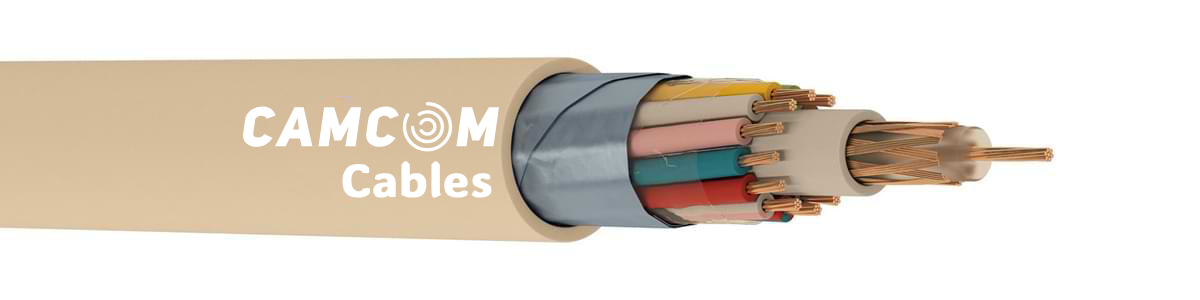
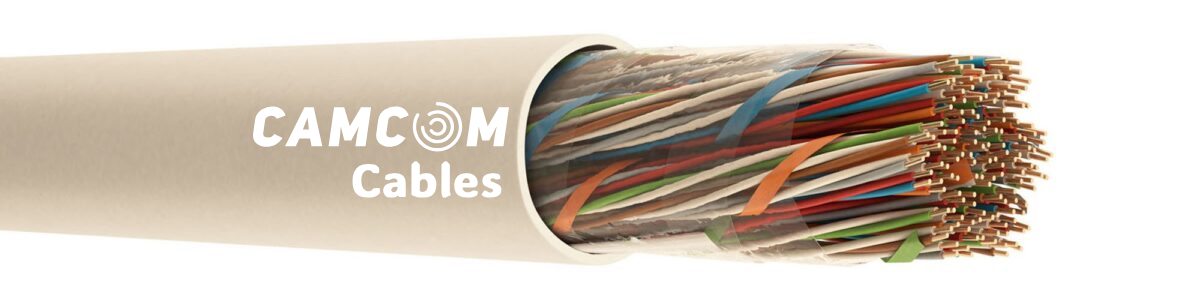
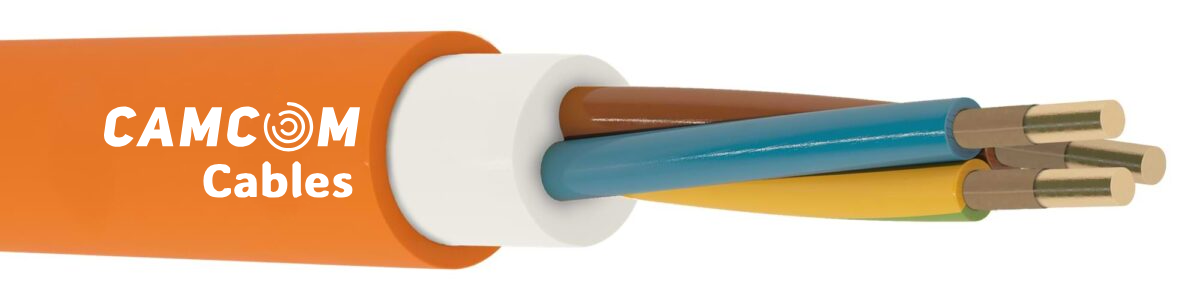
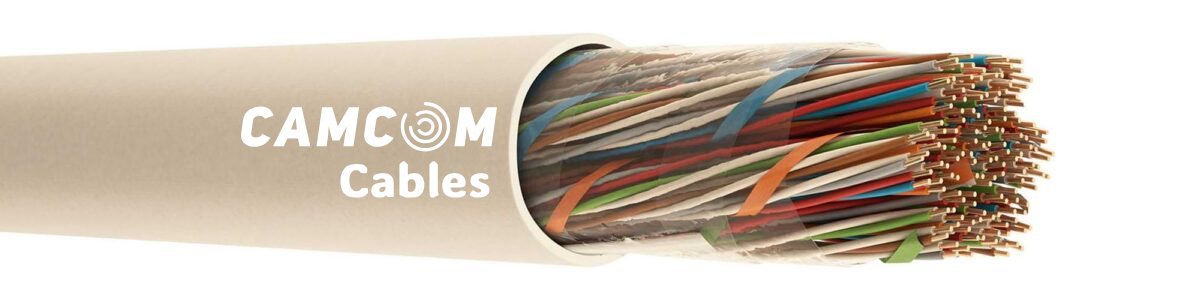
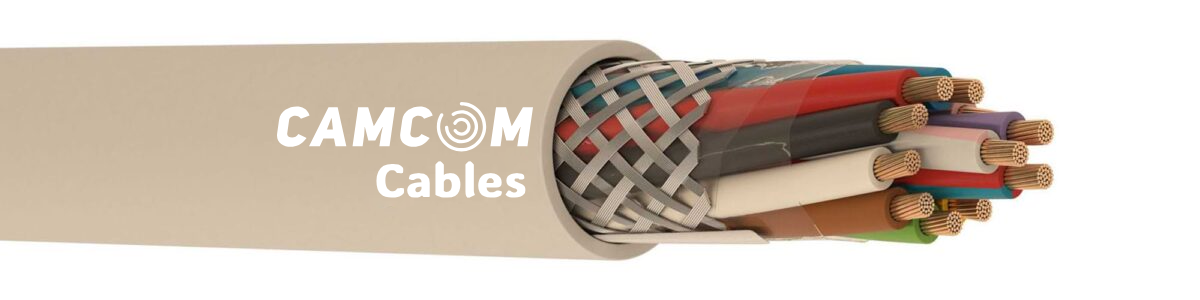
Camcom indoor telephone cables feature solid bare copper conductors arranged in precision-twisted pairs. Why twisted pairs? They reduce crosstalk and maintain consistent signal clarity, giving you clear and reliable communication.
The cables are insulated with high-density polyethylene (PE) for low dielectric loss and long-term electrical integrity.
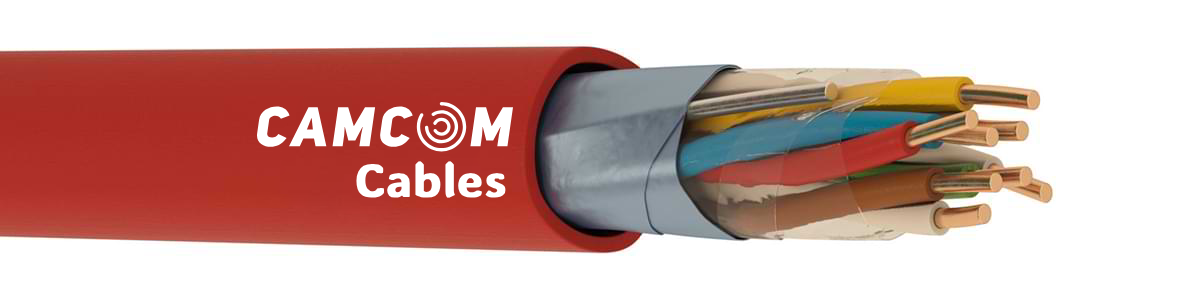
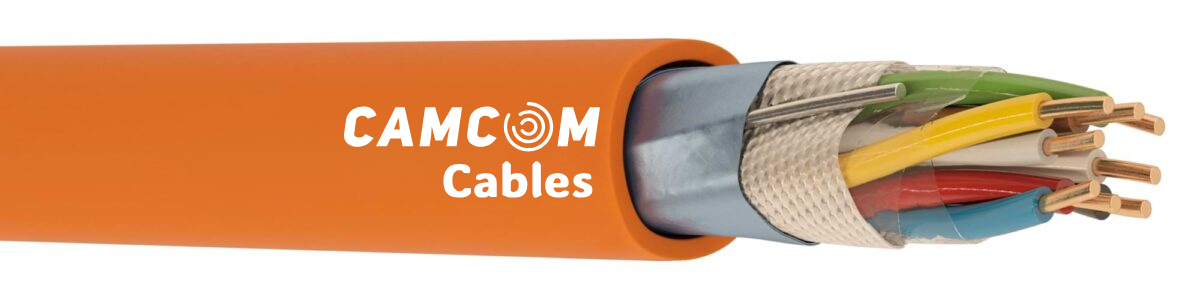
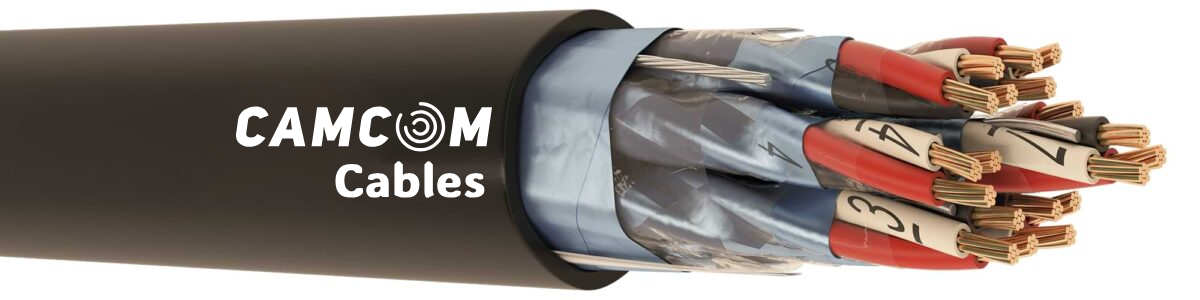
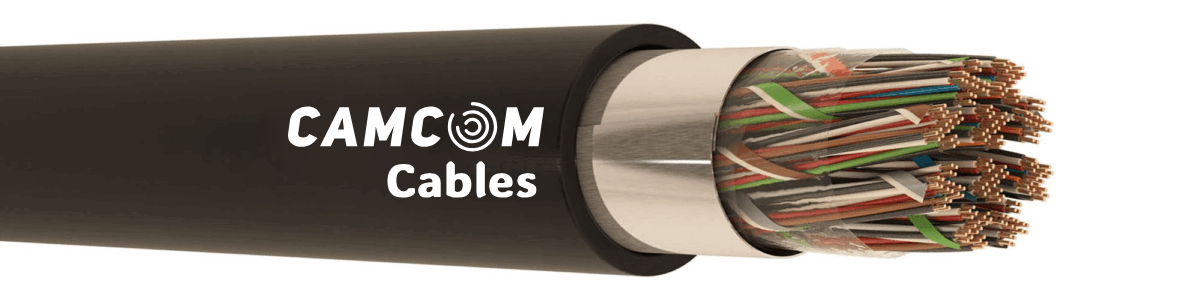
For environments with high electrical noise, we offer J-Y(St)Y shielded variants. These include:
• Collective aluminum-polyester foil screening
• Tinned copper drain wire for EMI protection
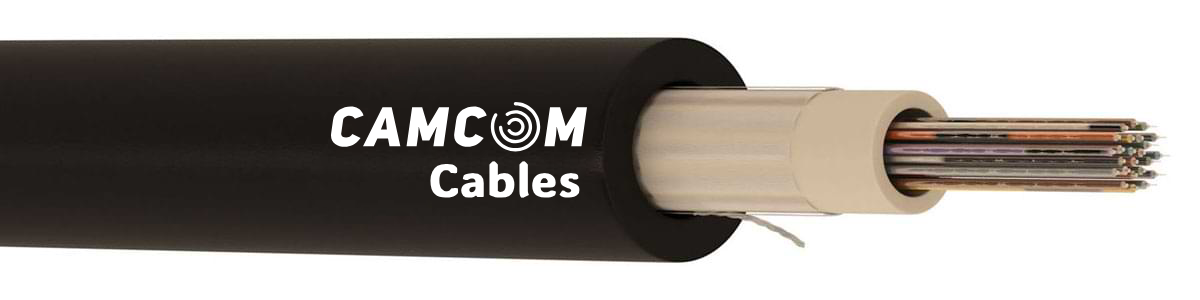
This makes them perfect for installations near power circuits, control equipment, or other sources of interference. The outer sheath is made from flame-retardant grey PVC, meeting EN 60332-1 fire safety standards, while providing durability for everyday use.
________________________________________
Electrical & Performance Features
Camcom indoor telephone cables are designed to deliver clear and reliable voice and signal transmission over short- to medium-distance runs. Key performance features include:
• Controlled Capacitance: ~100 nF/km for J-Y(St)Y types
• Low Crosstalk: Precisely twisted pairs minimize interference
• High Insulation Resistance: Prevents leakage, ensuring line clarity
• Dielectric Strength: Batch-tested to meet international standards
In other words, our cables make sure analog voice quality, signaling, and control communication stay crystal clear.
________________________________________
Applications & Use Cases
Our cables are versatile and support a wide range of indoor communication and building infrastructure systems:
• Commercial Buildings: Voice loops, riser wiring, telecom pathways
• Industrial Plants: Control wiring between PLCs, panels, and monitoring units
• Residential Complexes: Internal telephone distribution and riser networks
• Data Centers: Voice, alarm, and signaling lines for IT and security rooms
• Public Institutions: Hospitals, schools, and intercom lines
• Retail & Hospitality: Hotels, malls, and other system communications
• BMS & Security Systems: HVAC, access control, smoke detection lines
Basically, wherever voice and signal communication matters, Camcom cables fit right in.
________________________________________
Camcom Indoor Telephone Cable Range
Our most widely used indoor cable is the J-Y(St)Y series, known for safety, reliability, and compliance.
Feature Description
Conductor Solid bare copper, 0.6 mm / 0.8 mm
Core Configurations 2–24 pairs (e.g., 2×2×0.6 mm to 24×2×0.6 mm)
Screening Options Collective foil shield with drain wire or unshielded
Sheath Material Flame-retardant grey PVC (EN 60332-1 compliant)
Construction Codes J-Y(St)Y, J-2Y(St)Y, custom OEM builds
Every batch undergoes dimensional checks, dielectric strength testing, conductor resistance verification, and flame propagation assessment in our advanced quality-control facilities.
________________________________________
Durability & Installation Advantages
• Fire Safety: Compliant with EN 60332-1 for flame spread limitation
• Ease of Installation: Flexible enough for trays, conduits, and distribution boxes
• Superior Shielding: Strong EMI protection in electrically dense zones
• Long Lifespan: Resistant to cracking, deformation, and insulation fatigue
________________________________________
Why Choose Camcom Indoor Telephone Cables
Our twisted-pair, PVC-sheathed telephone cables deliver consistent signal clarity, reliability, and fire safety across all indoor communication systems. Trusted across industries, they meet international standards and perform reliably in offices, industrial plants, smart infrastructures, and mission-critical facilities.
With Camcom, you’re choosing quality, consistency, and peace of mind in every installation.
________________________________________
Frequently Asked Questions
What kind of cable is used in telephones?
Indoor telephone systems typically use twisted-pair copper cables, such as J-Y(St)Y, CW1308, or Cat5e/Cat6 for VoIP and structured wiring.
What is a home phone cable called?
It’s often referred to as a telephone cable, station wire, or by standard codes like CW1308 or J-Y(St)Y. Short patch leads usually use RJ11 connectors.
What’s the difference between RJ11 and RJ12?
• RJ11: 6-position plug, 2–4 conductors (typical residential phone line)
• RJ12: 6-position plug, 6 conductors (used in PBX or multi-line systems)
What’s the best cable for telephone wiring?
For modern installations, Cat5e or Cat6 solid copper cables are recommended for VoIP or analog voice. For traditional analog systems, low-capacitance twisted-pair cables like J-Y(St)Y or CW1308 are ideal. Avoid CCA (copper-clad aluminum) cables for better reliability.


