 +31708910864
 sales@camcom.co.nl

 Management's Insight
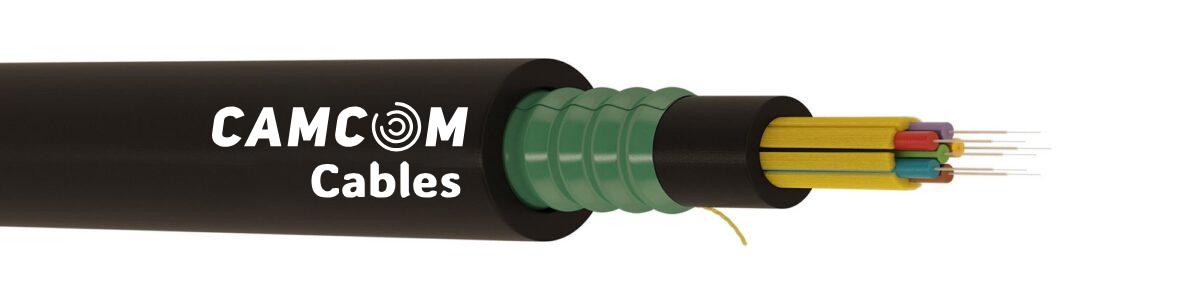
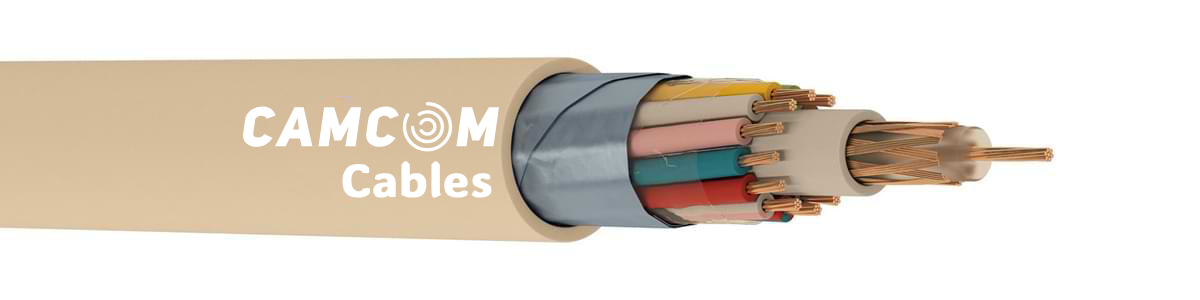
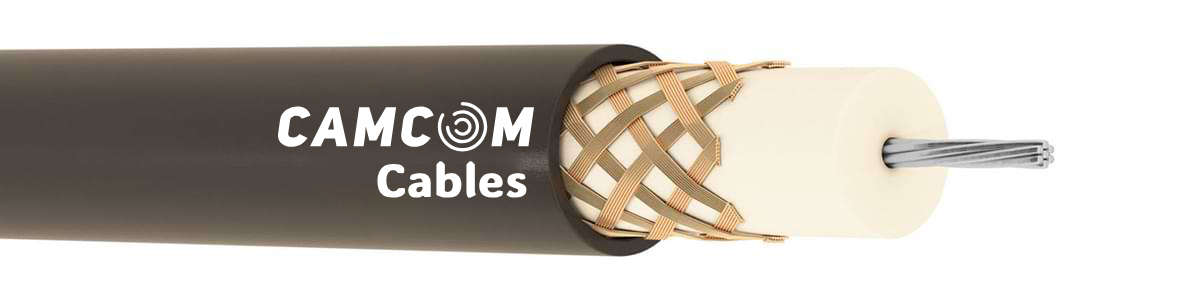
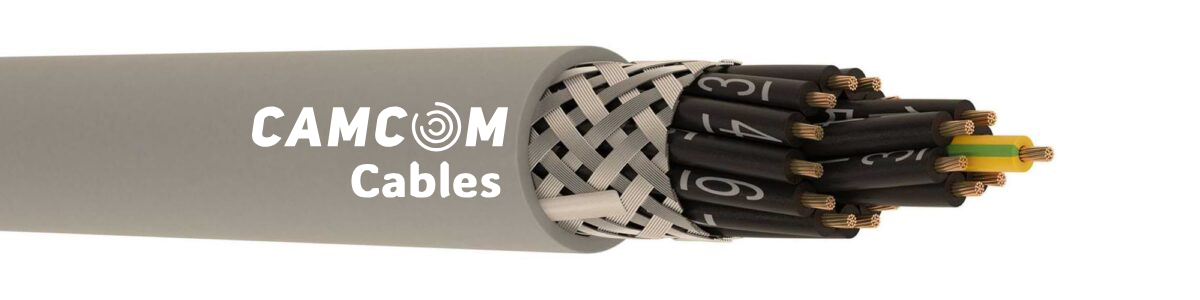
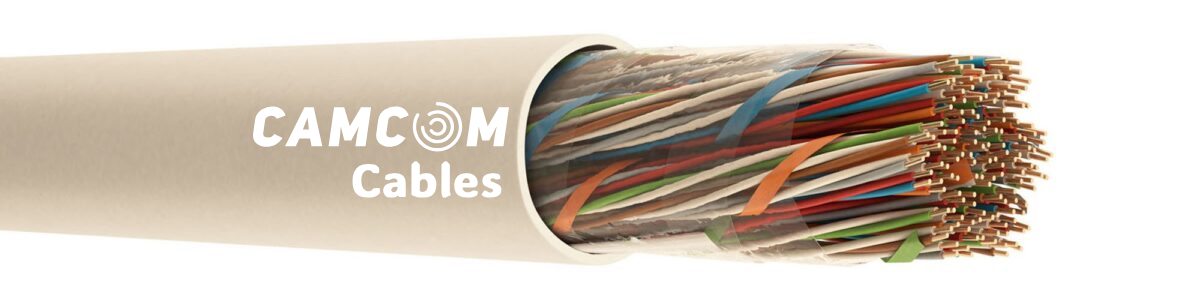
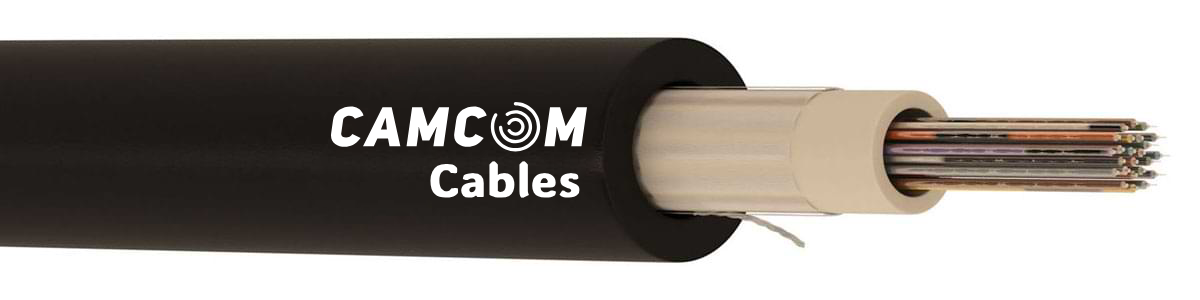
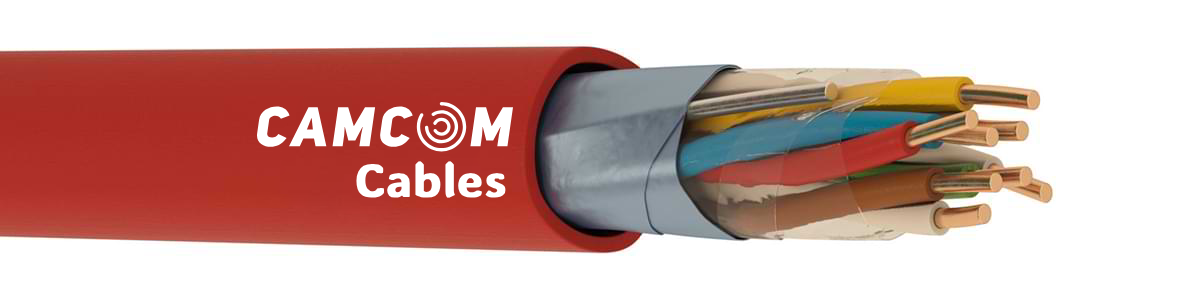
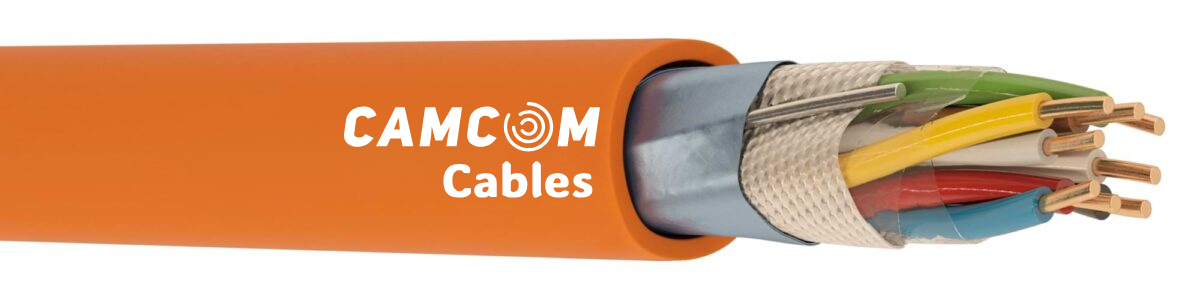
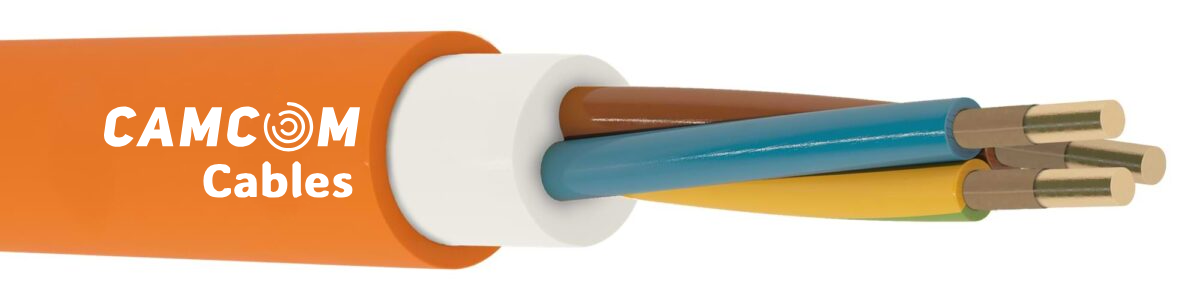
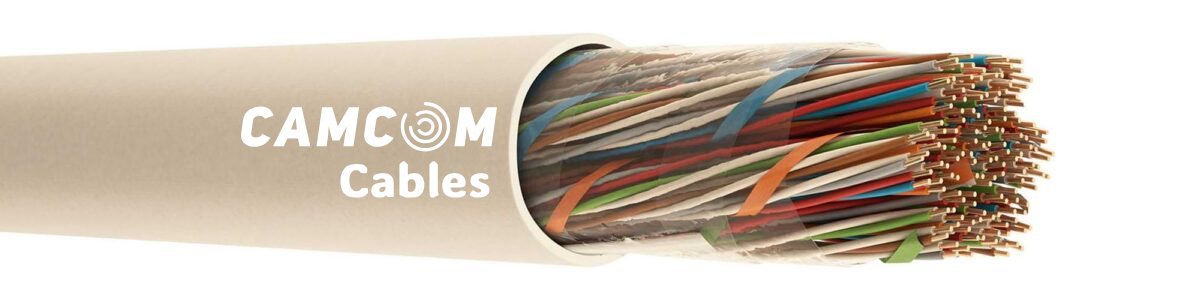
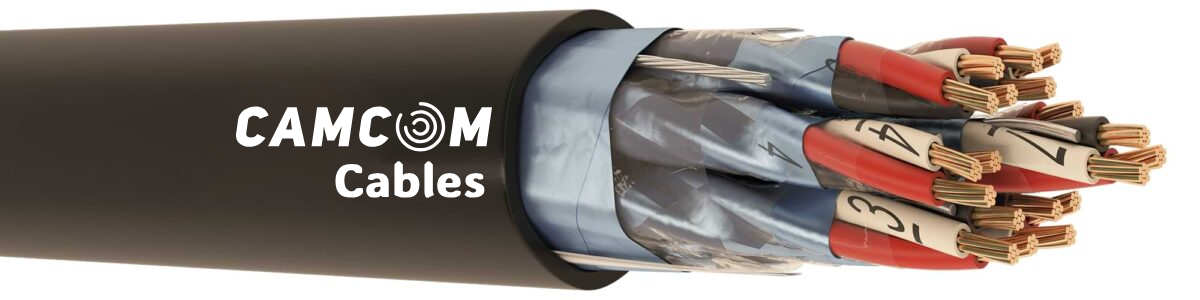
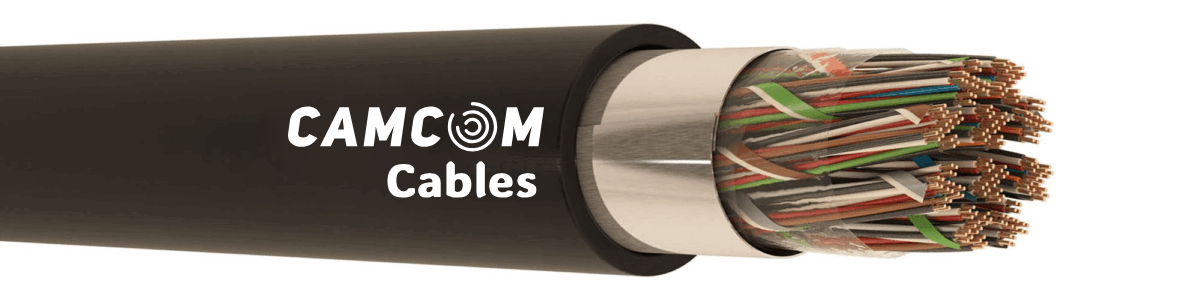
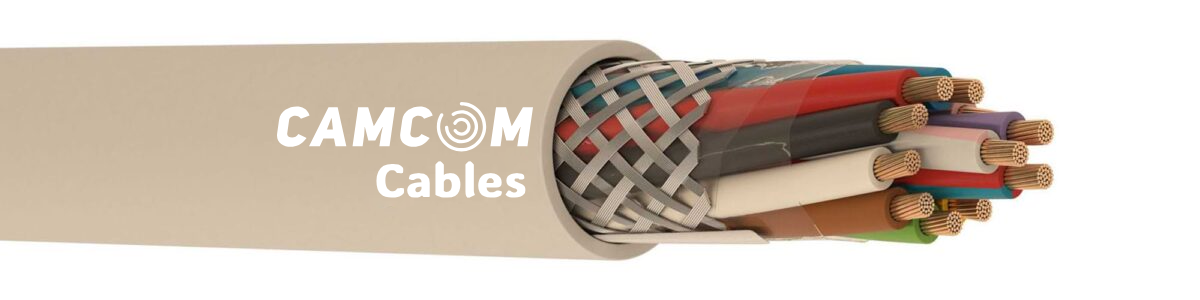
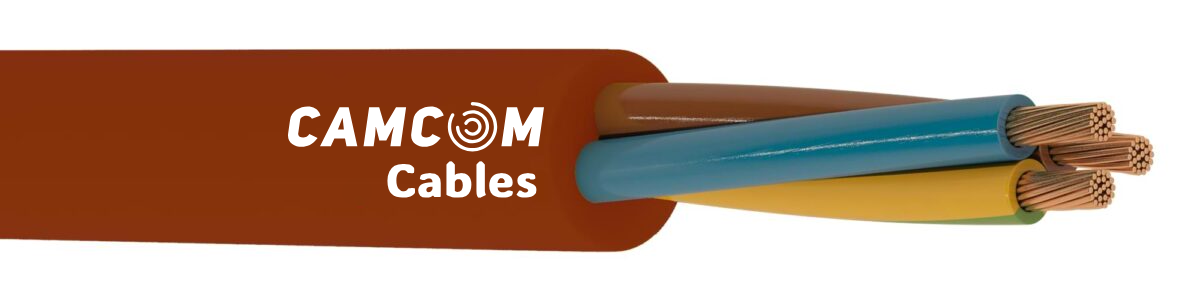
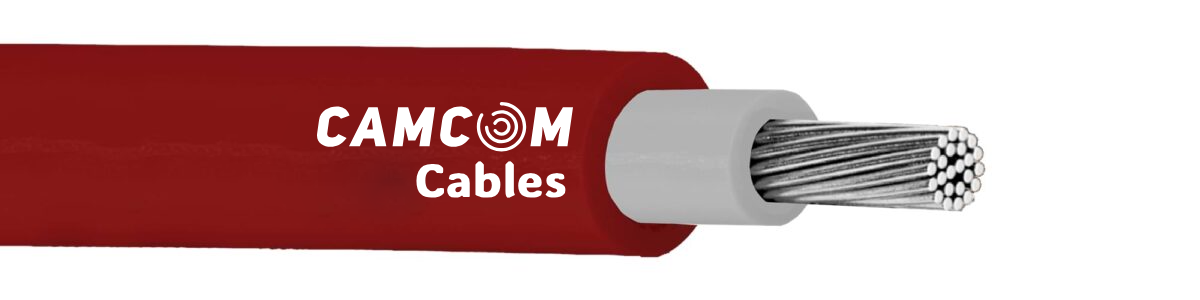

Instrumentation Cables
-
RE-2X(St)Y Instrumentation Cable
-
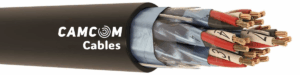
RE-2X(St)Y-PiMF/TiMF Instrumentation Cable
-
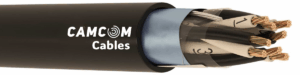
RE-2X(St)Y-TP/TT Instrumentation Cable
-
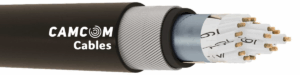
RE-2X(St)YSWAY Instrumentation Cable
-
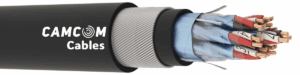
RE-2X(St)YSWAY-PiMF/TiMF Instrumentation Cable
-
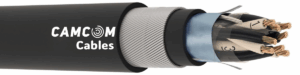
RE-2X(St)YSWAY-TP/TT Instrumentation Cable
-
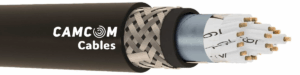
RE-2X(St)YSWBY Instrumentation Cable
-
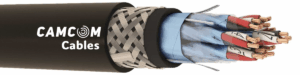
RE-2X(St)YSWBY-PiMF/TiMF Instrumentation Cable
-
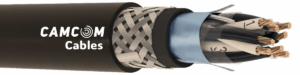
RE-2X(St)YSWBY-TP/TT Instrumentation Cable
Instrumentation Cables | Precision Signal Transmission by CamCom – Engineered for Real-World Performance
In today’s fast-moving industrial world, accuracy, reliability, and safety aren’t just expectations—they’re essential. Instrumentation cables play a major role in making sure automated systems stay connected, synchronized, and safe. Think of them as the nervous system of modern industry—constantly transmitting critical low-voltage signals that keep operations running smoothly.
At CamCom, we offer a wide range of high-quality instrumentation cables built to perform in demanding environments such as oil and gas facilities, petrochemical plants, power stations, mining sites, tunnels, and advanced manufacturing systems.
What Exactly Are Instrumentation Cables—And Why Do They Matter?
Instrumentation cables are multi-core signal cables used to send low-energy digital or analog signals from field instruments to control systems. These signals help monitor essential conditions like:
• Temperature
• Pressure
• Flow
• Vibration
• Safety and fault alarms
Because these measurements affect operational decisions, accuracy is everything. That’s why these cables feature advanced insulation and shielding to reduce electromagnetic interference (EMI), prevent signal loss, and maintain consistency—even in noisy industrial environments or over long distances.
CamCom’s Instrumentation Cable Range
Our instrumentation cables are designed to perform reliably under real on-site challenges—not just in theory. The product lineup includes:
Individually Shielded Pairs/Triads – Ideal where precision and reduced crosstalk are essential
Overall Shielded Versions – Protect signals from external interference
Armored Types (SWA / SWB) – Built for underground, exposed, or mechanically harsh installations
For safety-sensitive locations, fire-resistant and Low Smoke Zero Halogen (LSZH) versions are also available, ensuring low toxicity and minimal smoke during fire exposure.
Common insulation and sheathing options include:
• PVC
• XLPE
• LSZH
These materials offer strong mechanical strength, thermal stability, and resistance against chemicals and corrosive elements.
Where Are These Cables Used?
• CamCom instrumentation cables are trusted across industries that depend on signal stability and long-term performance, including:
• Oil & gas (onshore and offshore)
• Petrochemical plants
• Power generation and substations
• Industrial automation and factory systems
• Mining and tunnel infrastructure
• They ensure seamless communication between sensors, field devices, and systems like PLC, SCADA, and DCS—supporting smooth and safe operations.
• Built to Global Compliance Standards
Our cables meet major international standards such as:
• BS EN 50288-7 – Instrumentation cable specification
• IEC 60228 – Conductor classification
• IEC 60332-1 / IEC 60332-3 – Flame performanc
• IEC 61034 – Low smoke compliance
• IEC 60754 – Halogen emission control
This ensures confidence and compatibility for global industrial and infrastructure projects.
Why CamCom?
When you choose CamCom, you’re choosing:
• Consistent signal performance
• High EMI immunity
• Rugged mechanical durability
• Options tailored to specific applications
• Proven compliance and quality assuranc
• Custom configurations are available, including:
• Individual or overall shielding
• SWA / SWB armoring
• Special fire-performance ratings
• Custom colors and marking systems
Our manufacturing strength and logistics reach allow us to support EPC contractors, system integrators, and industrial operators worldwide.
CamCom — Your Reliable Partner in Instrumentation Cabling
Our commitment goes beyond manufacturing. With ongoing innovation, strong quality control, and engineering expertise, we build instrumentation cables that perform longer, safer, and smarter.
For hazardous sites, mission-critical systems, and future-ready automation—CamCom delivers cables you can trust.
Your signal—protected, engineered, delivered.
Frequently Asked Questions
1. How many types of instrumentation cables are there?
Common types include individually shielded pairs/triads, overall shielded cables, and armored versions like SWA/SWB—each designed for different protection needs.
2. How are instrumentation cables different from electrical cables?
Electrical cables carry power. Instrumentation cables carry sensitive low-voltage signals and require superior shielding to avoid interference.
3. What are Class 5 conductors?
Class 5 conductors (as per IEC 60228) use fine-stranded copper, making them flexible and ideal for applications exposed to vibration.
4. What does XLPE mean?
XLPE stands for Cross-Linked Polyethylene. It offers high thermal resistance, excellent electrical performance, and strong protection against chemicals and abrasion.


