 +31708910864
 sales@camcom.co.nl

 Management's Insight

Silicone Cables

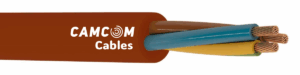
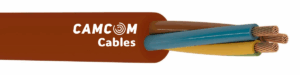
Silicone Cables — Built for Heat, Flexibility, and Reliability
When it comes to extreme temperatures, not every cable can keep up. That’s where Camcom Signaling Innovation’s silicone cables come in. They’re built to stay flexible, safe, and reliable even when the environment is pushing limits. Whether it’s industrial automation, steel production, lighting, renewable energy, or rail systems — these cables are designed to perform where others fail.
________________________________________
Why Silicone? Because It Handles the Heat.
Silicone cables stay electrically stable even in harsh thermal conditions — and not just for short bursts.
• Continuous temperature range: –60°C to +180°C
• Short-term peaks: Up to +200°C
• Mechanical flexibility: No cracking, hardening, or brittleness in heat or cold
• Fire behavior: Low smoke, halogen-free, and self-extinguishing
So basically, while traditional cables stiffen, melt, or degrade, silicone-insulated cables keep doing their job — especially in moving or flexible applications.
________________________________________
Electrical Performance You Can Count On
These cables are built for both power and control systems, meaning they’re versatile across industries.
• Voltage ratings: 300/500 V (control) or 0.6/1 kV (power)
• Tested up to 2.0 kV AC
• Flame-retardant (IEC 60332-1 compliant)
• UV and ozone-resistant for long-term outdoor use
• Halogen-free — so no toxic fumes if a fire occurs
Even after years in extreme heat, cold, or exposure, the insulation stays flexible and electrically stable — which is especially important in installations you don’t want to revisit often.
________________________________________
Where These Cables Are Used
Because of their durability, silicone cables show up in some pretty demanding places:
• Steel & Foundry Plants — Furnaces, rolling mills, and heat-processing lines
• Industrial Heating Systems — Ovens, dryers, and infrared heating setups
• Lighting & Entertainment — Theatres, architectural lighting, and stage gear
• Rail & Rolling Stock — High-temperature zones near engines, brakes, and HVAC units
• Renewable Energy — Inverters and moving components in wind and solar systems
• Motors & Transformers — Internal wiring where heat is constant
• Food & Pharma — Resistant to cleaning, steam, and sanitization
Wherever heat, vibration, movement, or fire safety matter — silicone cables fit perfectly.
________________________________________
Fire-Safe by Design
If safety is a priority, this part matters.
• Low smoke output (better visibility if something goes wrong)
• Halogen-free (meaning no corrosive or toxic fumes)
• Self-extinguishing material
• Retains structure longer than standard plastics during fire exposure
That makes them a smart choice for trains, buildings, public spaces, and machinery with sensitive electronics.
________________________________________
Flexible and Tough — Even When Conditions Aren’t
Silicone cables are built for motion and stress:
• Suitable for drag chains and moving machine parts
• Performs in sub-zero environments without stiffening
• Resistant to vibration, bending, and cable fatigue
So instead of aging and cracking, they stay bendable and reliable.
________________________________________
Available Types & Options
We offer a range of configurations depending on use:
• Sizes from 0.5 mm² to 25 mm² (with custom options available)
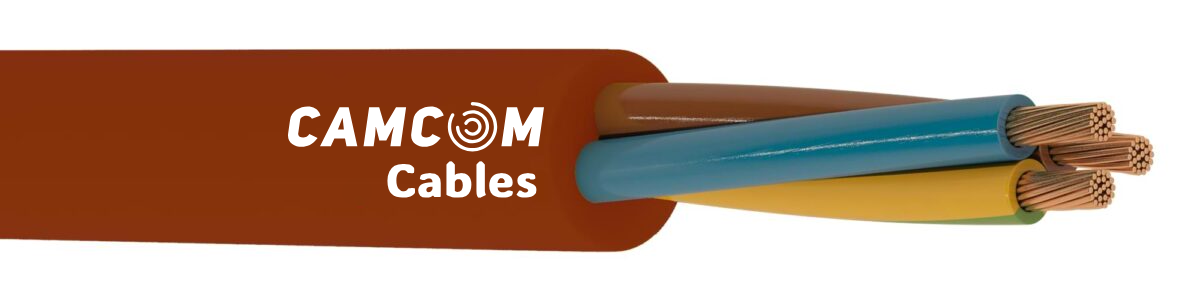
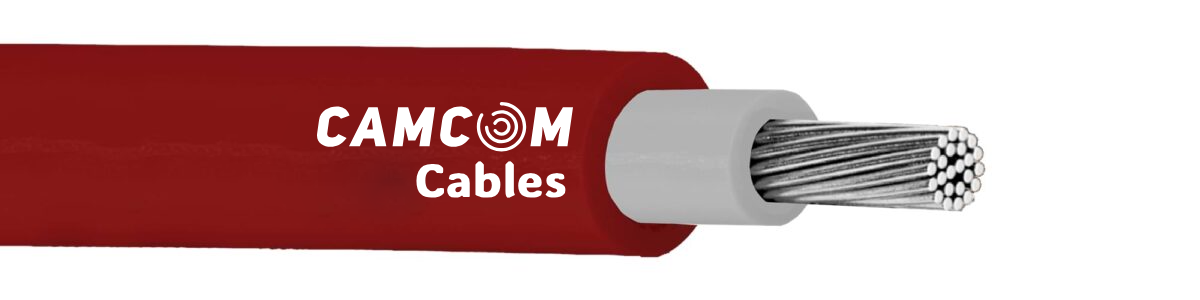
• Single-core and multi-core builds
• Numbered or colored core identification (DIN VDE 0293)
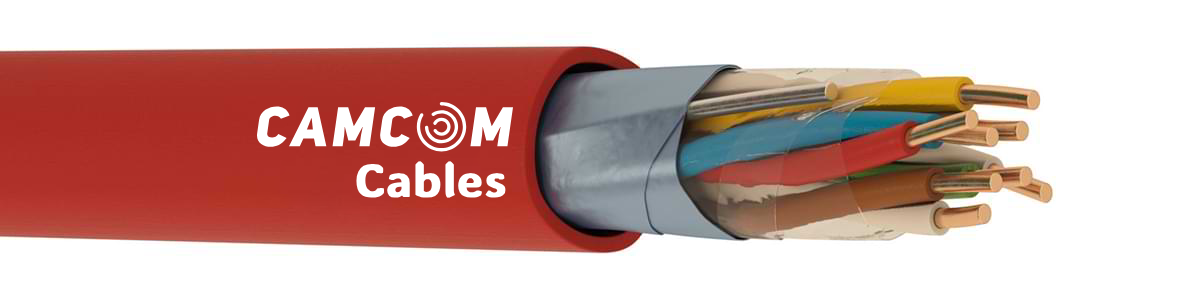
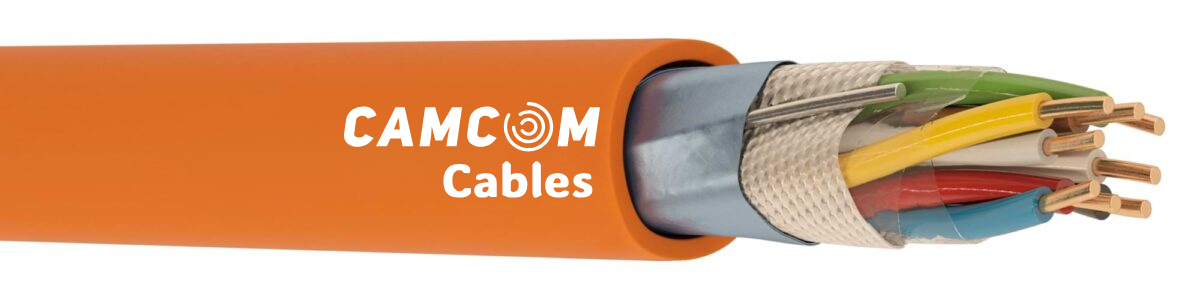
• Sheath color options: Red, white, gray, or custom
Variants include:
• SiHF: Standard flexible silicone cable
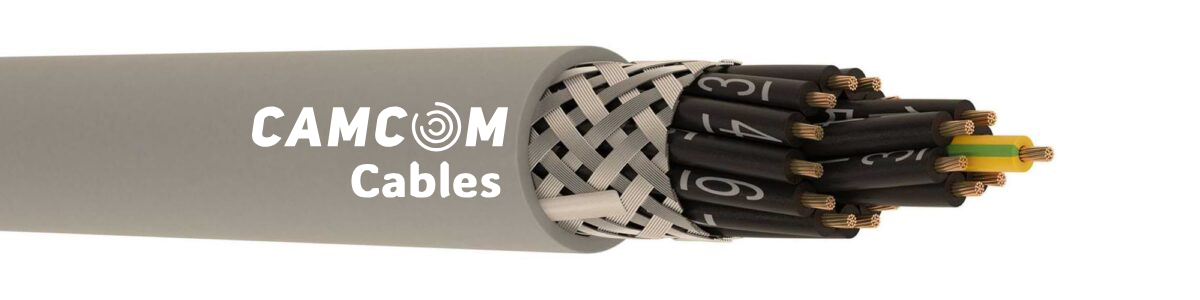
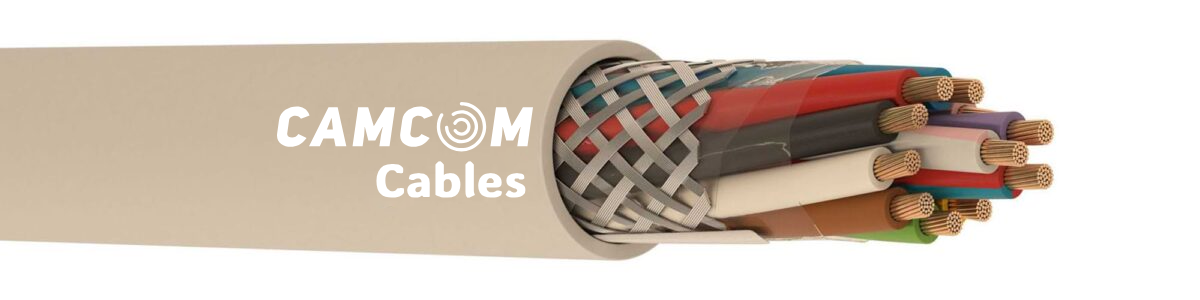
• SiHF-CY: Shielded with copper braid for EMI-sensitive applications
________________________________________
Why Choose Camcom Silicone Cables?
In simple terms: they last — even where most cables don’t.
With exceptional heat resistance, fire safety, mechanical flexibility, and optional shielding, Camcom silicone cables offer:
✔ long-term durability
✔ dependable performance in tough environments
✔ safer operation in public or enclosed spaces
✔ compatibility with moving machinery and chain systems
Every cable is precision-engineered and tested to international standards — so you know you’re installing something that’s built for real-world conditions.


